English
The production process of the petrochemical industry is often accompanied by hazardous substances such as toxic and harmful gases, dust, steam, etc. Once these substances enter the human body through the respiratory tract, they may cause serious harm to health. Therefore, taking good respiratory protection is an important measure for petrochemical workers to ensure their own safety. This article will introduce how petrochemical workers should do respiratory protection well from the aspects of identifying hazards, selecting protective equipment, correct use and maintenance.
1、 Identify respiratory hazards in the work environment
The common respiratory hazards in petrochemical work environments mainly include the following categories:
Toxic gases and vapors, such as benzene, hydrogen sulfide, ammonia, chlorine, etc., can cause poisoning, suffocation, or other health problems.
Dust and particulate matter, such as catalyst dust, metal dust, etc., long-term inhalation may cause pneumoconiosis or other respiratory diseases.
Hypoxia environment: In enclosed spaces or certain specific processes, the oxygen content may be below the safe level, leading to the risk of hypoxia.
Smoke and steam: Welding, spraying and other operations may produce harmful smoke and steam.
Before entering the work area, workers should receive safety training to understand potential hazards and use gas detectors and other equipment to monitor the concentration of harmful substances in the environment in real time.
2、 Choose appropriate respiratory protective equipment
The selection of respiratory protective equipment should also vary depending on the work environment. Common respiratory protective equipment includes:
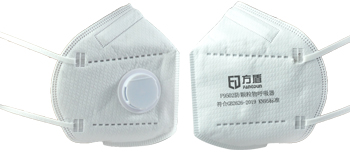
Mask: Suitable for low concentration particulate matter protection, such as dust masks.
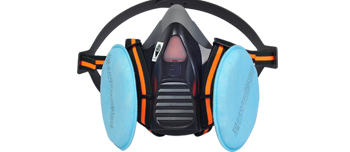
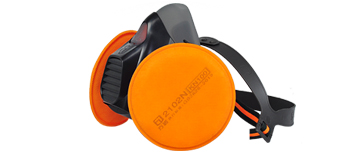
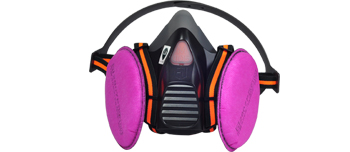
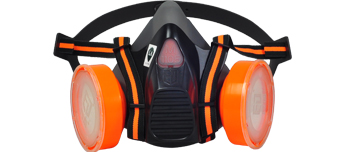
Half face mask: can cover the mouth and nose, equipped with a filter box or filter cotton, suitable for protecting against gases, vapors, or particulate matter.
Full face mask: Covering the entire face, providing more comprehensive protection, suitable for high concentration harmful gas or steam environments.
Self contained breathing apparatus (SCBA): Suitable for oxygen deficient environments or high concentration toxic gas environments, it can provide an independent gas source.
Long tube air supply respirator: connected to a clean air source through a long tube, suitable for long-term operations.
When choosing respiratory protective equipment, it is necessary to make a reasonable selection based on factors such as the type and concentration of hazards present in the work environment, as well as the duration of work. At the same time, the equipment should comply with national or industry safety standards to ensure its protective effect.
3、 Proper use of respiratory protective equipment
After selecting appropriate respiratory protective equipment, correct use is the key to ensuring the effectiveness of protection:
Pre wear inspection: Before each use, check whether the equipment is intact, such as whether the mask has cracks, whether the filter box is expired, and whether the air tightness is good.
Proper wearing: Wear the device correctly according to the instructions, ensuring that the mask is tightly attached to the face and avoiding air leakage.
Precautions during use: If you feel difficulty breathing, equipment damage, or odor during the operation, you should immediately leave the work area and replace the equipment.
Avoid excessive use: The filter cartridge or filter cotton has a usage limit and should be replaced on time. Do not use beyond the limit.