English
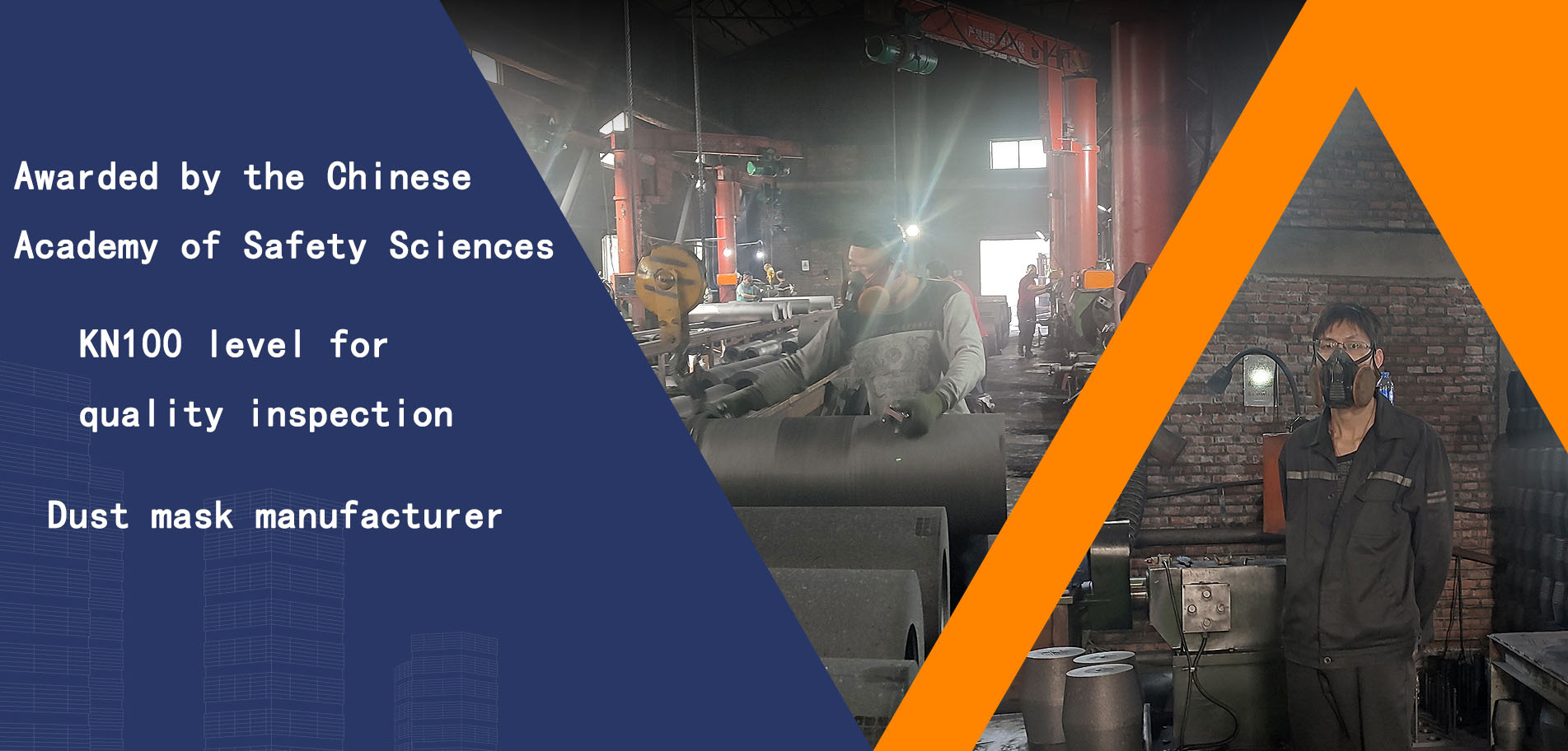
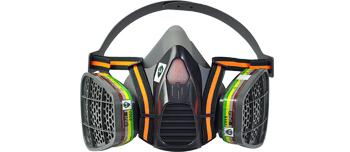
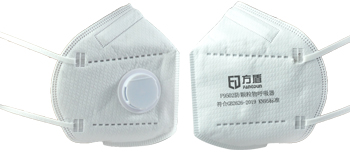
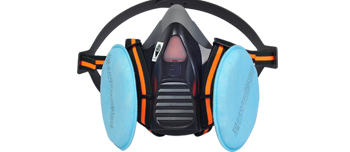
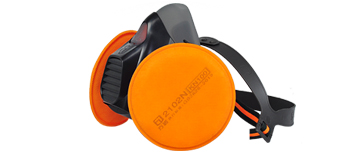
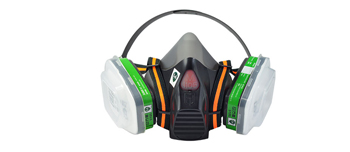
Petrochemical operations often face risks such as high-decibel noise, flying particulate matter, and chemical sprays, which directly threaten eye, face, and hearing health. Choosing the right professional protective equipment is the core guarantee for operational safety. When dust is present in the environment, a dust mask is the basic protective choice; when dealing with toxic and harmful gases and vapors, a half-face mask or full-face mask combined with a dedicated filter cartridge can provide effective protection against specific chemical substances. It is recommended to use food-grade liquid silicone material, which is skin-friendly, comfortable, and ensures respiratory safety. In environments where dust and toxic gases coexist, it is recommended to use a connecting base to connect the filter cotton and filter cartridge, achieving dual protection against dust and toxins.

In environments with insufficient oxygen levels or extremely high concentrations of pollutants, oxygen-supplying respirators become essential. These devices provide an independent and clean air source, ensuring safe breathing for workers even in the most dangerous environments. The risks in petrochemical operations often occur in an instant, but they can cause permanent damage. The use of protective face masks or eye masks can effectively prevent injuries caused by splashes. The equipment in petrochemical plants operates continuously, and long-term exposure can lead to irreversible hearing loss. Therefore, hearing protection is by no means an optional option. Choosing protective equipment according to local conditions, in the petrochemical industry, safety protection is not a cost but an investment, not a burden but a responsibility.
The value of professional protective equipment lies not only in "choosing the right one", but also in "using it correctly". In actual work scenarios, some personnel, for the sake of convenience, omit the correct wearing steps of protective equipment, or use expired or damaged protective gear. While this may seem to save time, it actually places themselves in danger. Taking dust masks as an example, if the mask is not properly fitted to the face according to specifications and the saturated filter cotton is not replaced in a timely manner, dust will infiltrate the respiratory tract through gaps. Over time, this can easily lead to pneumoconiosis, an occupational disease that not only destroys the health of workers but also imposes a heavy economic and emotional burden on their families.
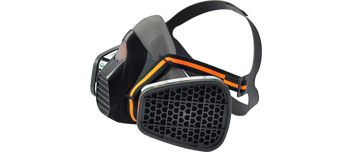
The selection of gas filter cartridges necessitates precise matching with the chemical agents present in the work environment. Different types of filter cartridges are designed to address distinct types of toxic gases. For instance, organic gas filter cartridges are incapable of protecting against acidic gases, rendering them ineffective if misapplied. Consequently, enterprises must establish a comprehensive training system for the use of protective equipment, ensuring that every worker comprehends the basis for equipment selection, wearing methods, inspection procedures, and replacement criteria. This will internalize the "proper use of protective equipment" as a professional habit.
The management and updating of protective equipment is also a crucial aspect of the safety system construction in petrochemical enterprises. Given the complexity of petrochemical production processes and the dynamic changes in the operating environment, existing protective equipment may not be suitable for new risk points. This necessitates the establishment of a regular risk assessment mechanism within the enterprise. In conjunction with adjustments to production processes and changes in raw materials, timely assessments of protective needs should be conducted to update and upgrade protective equipment. For instance, when introducing new types of corrosive chemical raw materials into the production line, targeted corrosion-resistant face masks and protective clothing should be equipped simultaneously, rather than continuing to use existing equipment. For areas surrounding equipment that operates at high intensity for extended periods, in addition to conventional earplugs and earmuffs, higher-level hearing protective equipment such as soundproof helmets should be equipped according to the noise decibel level. Simultaneously, enterprises need to standardize the storage and distribution management of protective equipment to prevent equipment performance degradation due to improper storage. This ensures that every operator can receive qualified and suitable protective gear, which not only safeguards the life and health of employees but also directly reflects the enterprise's fulfillment of its primary responsibility for safe production.

From the long-term perspective of industry development, safety protection is the cornerstone of high-quality development in the petrochemical industry. In recent years, with the continuous improvement of safety production regulations, the "people-oriented" safety concept has taken root, and the popularization and standardized use of professional protective equipment is the embodiment of this concept. For enterprises, investing in improving protective equipment and conducting safety training may seem to increase operating costs, but in fact, it effectively reduces the incidence of safety accidents. A safety accident caused by inadequate protection not only results in equipment damage and production stagnation, but also may face huge compensation, administrative penalties, and even affect the survival and development of the enterprise. Conversely, enterprises that attach importance to safety protection can effectively enhance employees' sense of belonging and cohesion, reduce personnel turnover caused by work-related injuries, establish a good industry image, and win reputation and opportunities for the long-term development of the enterprise.
For every petrochemical worker, safety protection is a responsibility towards themselves and their families. At the job site, any hint of complacency can lead to irreversible tragedies. Flying particles can instantly pierce the eyeballs, toxic gases can silently erode organs, and constant noise can gradually deprive hearing - once these injuries occur, not only will they suffer from both physical and psychological pain, but their families will also be plunged into worry and hardship. Therefore, workers must proactively enhance their safety awareness, abandon "empiricism" and "complacency", strictly follow specifications in selecting and wearing protective equipment, actively participate in safety training, and promptly identify and report any issues with protective equipment. Only by combining personal protection with enterprise management can an unbreakable safety line be established.
In summary, there are no "bystanders" or "terminal stations" in the safety protection of the petrochemical industry. Choosing and using professional protective equipment correctly is not only an inevitable requirement for enterprises to strengthen the safety production line, but also a key measure for operators to safeguard their own health. Let us abandon the misconception that "safety protection is a burden" and truly establish the concept that "safety is the greatest benefit, and protection is the best guarantee". With professional equipment, rigorous attitude, and standardized operation, we can safeguard the life safety of every operator and promote the steady progress of the petrochemical industry on a safe and healthy track.