English
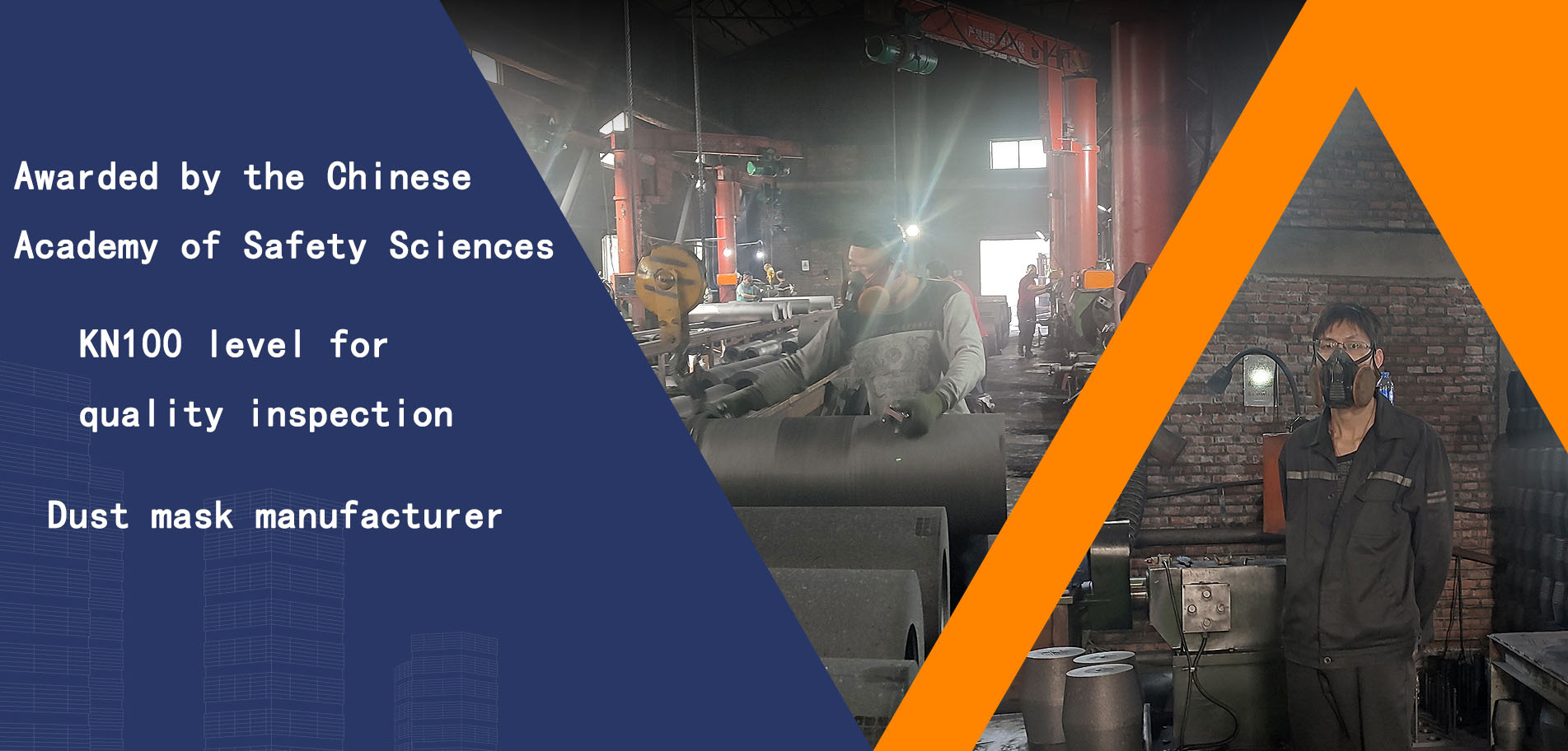
In the injection molding workshop, the process of melting plastic particles at high temperatures and injecting them under high pressure often involves the release of various harmful gases. These invisible "health killers" constantly threaten the respiratory system of injection molding workers, and wearing and using anti-virus masks correctly is the key line of defense against such hazards. For injection molding workers who have been working on the front line for a long time, anti-virus masks are not optional tools, but rather the "lifeline" for safeguarding occupational health.
The respiratory hazards in an injection molding workshop are not alarmist rhetoric. When plastic raw materials are melted at temperatures above 200°C, they release volatile organic compounds (VOCs) such as styrene and formaldehyde, which are harmful gases. Some plastic additives and color powders decompose and produce toxic vapors when heated. The organic solvents and mold release agents used to clean molds also contain volatile components that can irritate the respiratory system. If the ventilation conditions in the workshop are limited, these harmful substances can accumulate in the air, and long-term inhalation may lead to chronic respiratory inflammation, occupational asthma, and even an increased risk of poisoning. Especially for injection molding workers who have been on the job for a long time, the long-term exposure of the respiratory system to such an environment, coupled with the lack of protective measures, poses serious health risks.
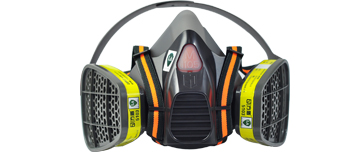
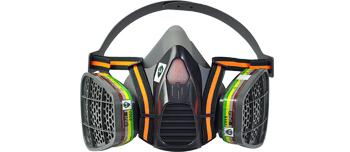
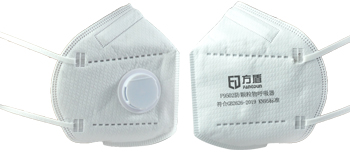
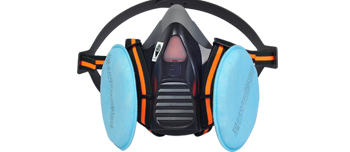
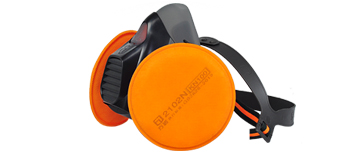
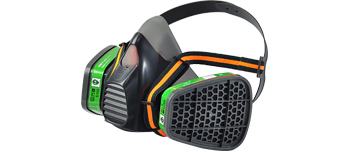
Choosing the right gas mask is the premise of effective protection. Different injection molding materials and work scenarios produce different types of harmful gases, necessitating the targeted selection of gas masks with appropriate protection types and levels. For example, for organic vapor-type harmful substances, filter-type gas masks equipped with corresponding filter cartridges should be selected; if the work environment has a high concentration of harmful gases or poses an oxygen deficiency risk, an isolating respirator should be chosen. At the same time, it is necessary to ensure that the selected mask meets relevant safety standards, and that the filtering components are within their effective period and free from damage, rust, or other issues, to avoid protection failure due to improper equipment selection.
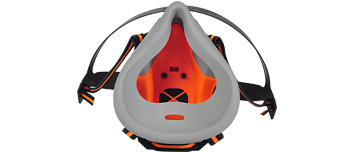
Correctly wearing and checking the fit are crucial steps for the effectiveness of a gas mask. Before wearing, clear any facial debris, remove any beard, and smooth out long hair to avoid affecting the fit between the mask and the face. When wearing, adjust the headband according to the standard steps. For a half-face mask, ensure it fully covers the mouth and nose. For a full-face mask, make sure the chin fits the chin strap, and tighten the headband to a comfortable and stable state. After wearing, a fit test must be conducted: block the air inlet with your palm and gently inhale. If the mask can fit tightly to the face and slightly indent, without any air leaks, it indicates good fit. If there are air leaks, the mask needs to be adjusted or replaced. During the operation process, if you smell any toxic gas, feel a significant increase in breathing resistance, or experience discomfort such as dizziness or nausea, you should immediately evacuate to a safe area, check the status of the mask, and replace the filter components in a timely manner.
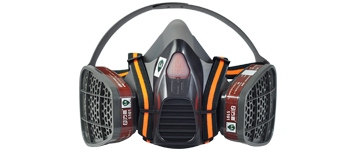
In the high-temperature and high-humidity environment of injection molding production, wearing a gas mask in a standardized manner every time is a solemn protection for one's own health. Paying attention to respiratory protection and mastering the correct method, so that this small protective equipment can become a solid barrier against harmful gases, is the only way to achieve a win-win situation of safe production and healthy life.