English
The ship electric welding industry is a core aspect of ship construction and maintenance, often involving work in damp, enclosed spaces or on exposed decks. This work not only faces the risks of electric shock, fire, and soot poisoning but also the hazards of arc radiation. Therefore, protective measures must be considered from multiple perspectives, including personal safety, electrical safety, environmental protection, and emergency response, to ensure the safety of workers and the integrity of ship facilities.
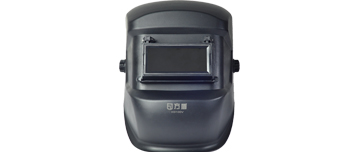
Personal protection is the first line of defense against risks. It is necessary to choose protective masks according to the working environment. During welding work on ships, it is essential to wear an automatic darkening welding mask that meets the standards or specialized goggles. This can effectively block the intense light, ultraviolet rays, infrared rays, and metal splashes from causing burns to the face and eyes. Regularly check the clarity and protective function of the lenses, and replace them promptly if they are damaged.
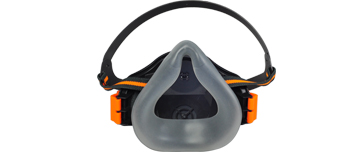
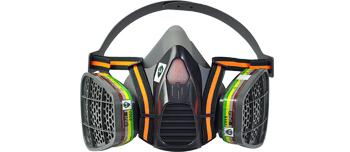
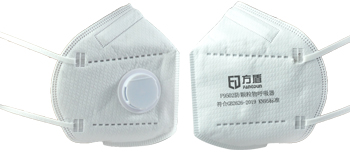
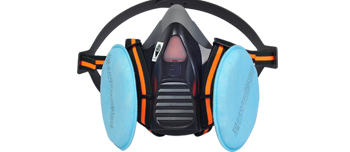
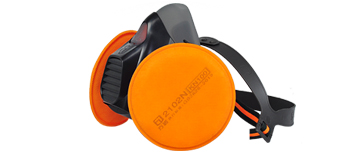
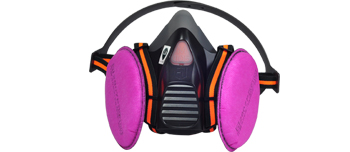
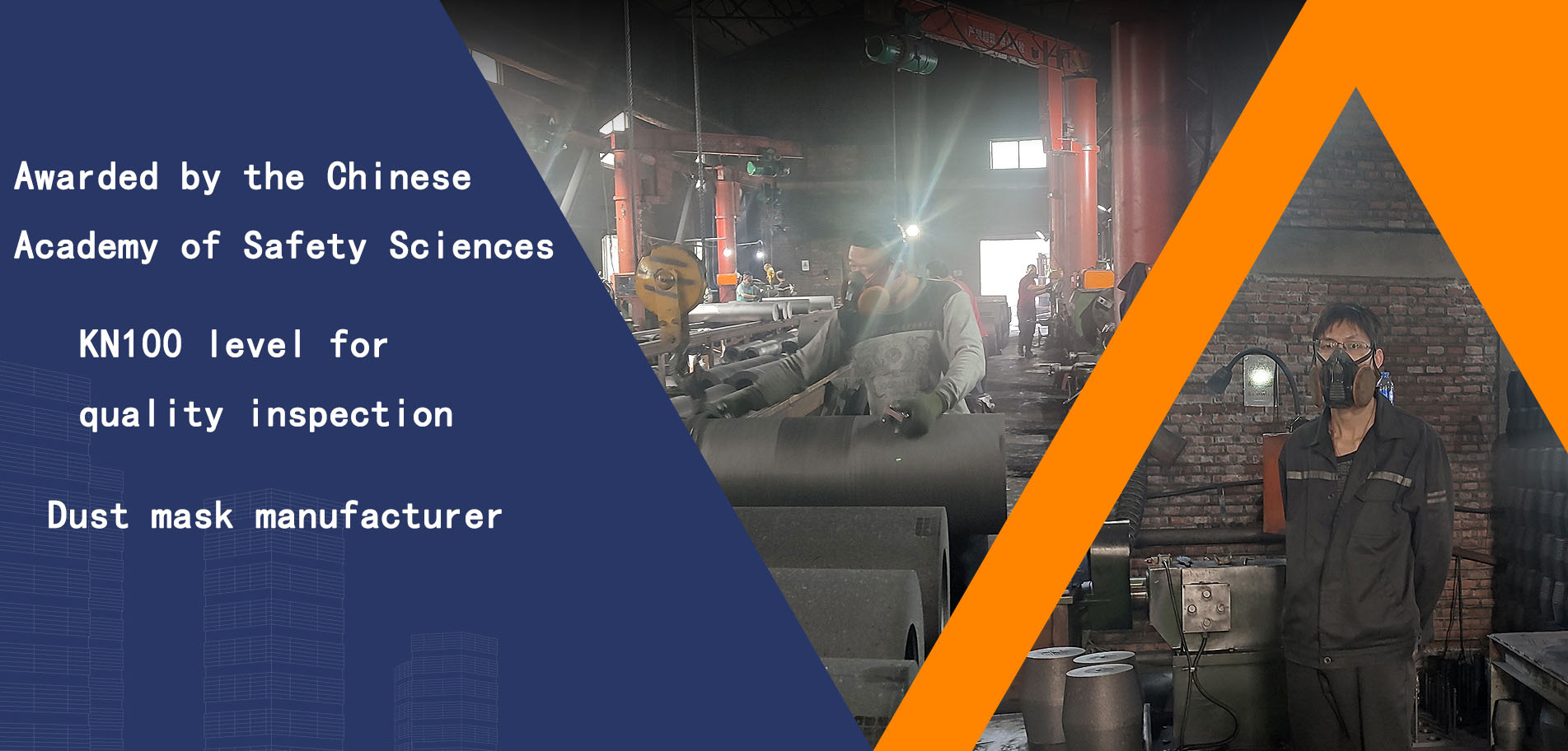
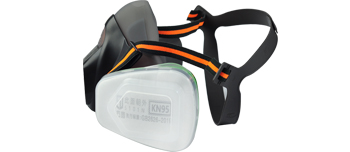
During welding, a large amount of harmful particles such as iron oxides and manganese oxides are generated. When working in a sealed ship's hold with poor ventilation, it is necessary to wear a high-grade protective dust mask with a filtration efficiency of not less than 99.97%. If toxic gases are present, a gas filter component should be used in conjunction. During the operation, ensure that the mask fits the face well to reduce leakage and avoid protection failure due to frequent removal of the mask.

When working in an environment with loud mechanical noises, such as in a ship's hold or on deck, it is necessary to wear earplugs and earmuffs that meet protective standards. These can effectively block high-frequency welding noises and environmental noises, preventing long-term exposure that can cause hearing damage. At the same time, it is important to ensure that the protective equipment does not interfere with operational tasks and communication.

Masks should be stored properly in a dry and clean place to avoid contamination. Discarded masks must be classified and disposed of according to ship environmental protection requirements, and must not be discarded randomly. Operators need to choose the appropriate mask model based on their facial contours to prevent smoke and dust leakage due to size incompatibility. If symptoms such as dizziness and chest tightness occur after prolonged wearing, operators should immediately evacuate the work area, rest in a ventilated place, and investigate the cause.