English
In the field of respiratory protection, high-protection face masks and ordinary masks cater to different scenarios due to their distinct design orientations and protective capabilities. The former focuses on comprehensive protection in high-risk environments, while the latter serves daily basic protection. There are significant differences between the two in terms of structure, performance, and usage. Recognizing these differences correctly is crucial for precise selection.
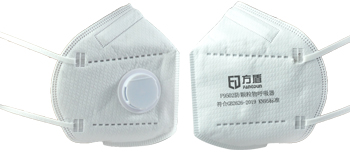
The protective range of ordinary masks is mainly concentrated in the mouth and nose area, which can only cover part of the face and cannot cover areas such as cheekbones, chin, neck, and eyes, leaving potential protection gaps. Their protective effect relies more on the natural properties of the material, such as thickness and density. The barrier effect against ultraviolet rays, splashes, and fine particles is unstable, and the fit is weak. Actions such as speaking and bowing down can easily cause air leakage at the edges, allowing unfiltered air to enter through the gaps.
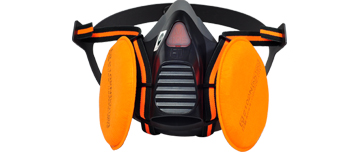
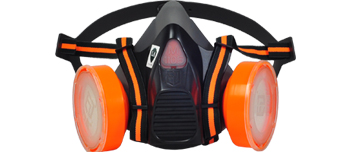
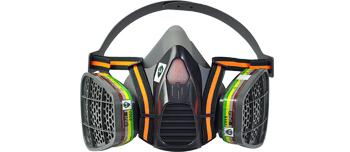
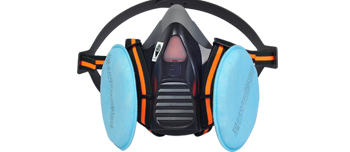
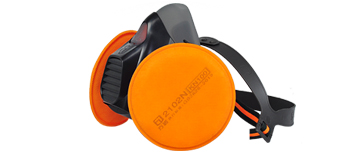
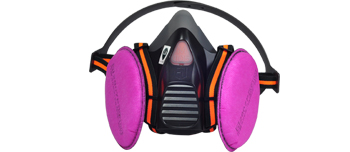
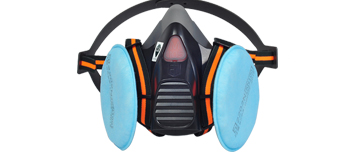
High-protection face masks provide more comprehensive protection. Half-face masks can cover the mouth, nose, and lower jaw area, while full-face masks can completely enclose the head and face, protecting the eyes and facial skin from splashes, dust, and toxic gases that can cause damage to multiple parts. Through adjustable design and sealing materials, the face mask can form a tightly fitted sealing space with the face, effectively reducing the risk of air leakage and ensuring that the inhaled air is filtered.
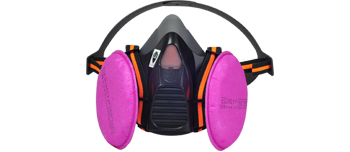
Ordinary masks are suitable for low-risk daily scenarios such as daily commuting, shopping at supermarkets, and indoor office work. They are primarily used to block low-concentration pollutants such as droplets, dust, and pollen, meeting basic protection needs. During the flu season or in densely populated ordinary places, ordinary masks can reduce the risk of cross-infection to a certain extent, but they cannot cope with complex threats such as high-concentration dust and toxic gases.
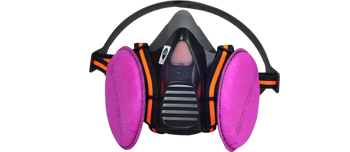
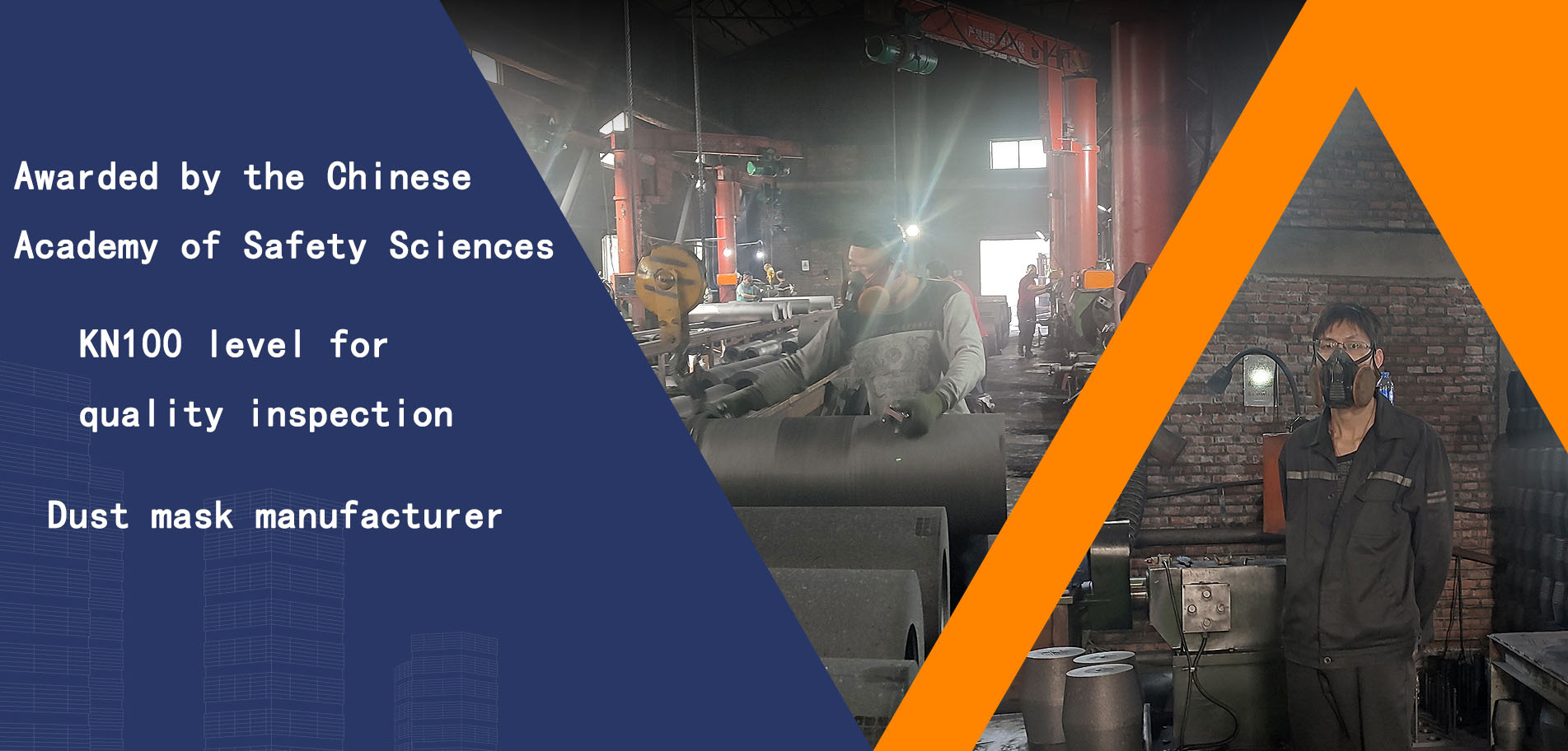
High-protection face masks are specifically designed for high-risk scenarios and are widely used in industrial production, medical operations, emergency rescue, and other fields. In high-dust and high-toxicity environments such as mining, chemical workshops, and metal grinding, high-protection face masks can effectively block industrial dust and toxic gases, preventing occupational diseases such as pneumoconiosis. In scenarios like medical surgeries and fever clinics, they can block bacterial droplets and aerosols, reducing the risk of infection for medical staff. Additionally, in outdoor high-ultraviolet environments and disaster relief scenarios, high-protection face masks can also provide comprehensive protection.
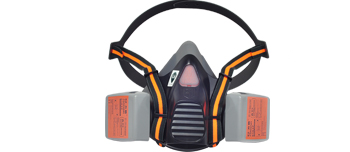
The core difference between high-protection face masks and ordinary masks lies in their varying levels of protection and intended usage scenarios. There is no absolute superiority or inferiority between the two; rather, the choice should be based on actual needs. For daily low-risk situations, ordinary masks are sufficient, offering both convenience and cost-effectiveness. However, for high-risk or high-concentration pollution scenarios, it is imperative to use high-protection face masks that meet the corresponding standards to ensure effective protection. Regardless of the protective gear chosen, correct wearing and standardized use are crucial to guarantee its protective efficacy. Additionally, it is important to replace or maintain the equipment as required to avoid any potential risks due to equipment failure.