English
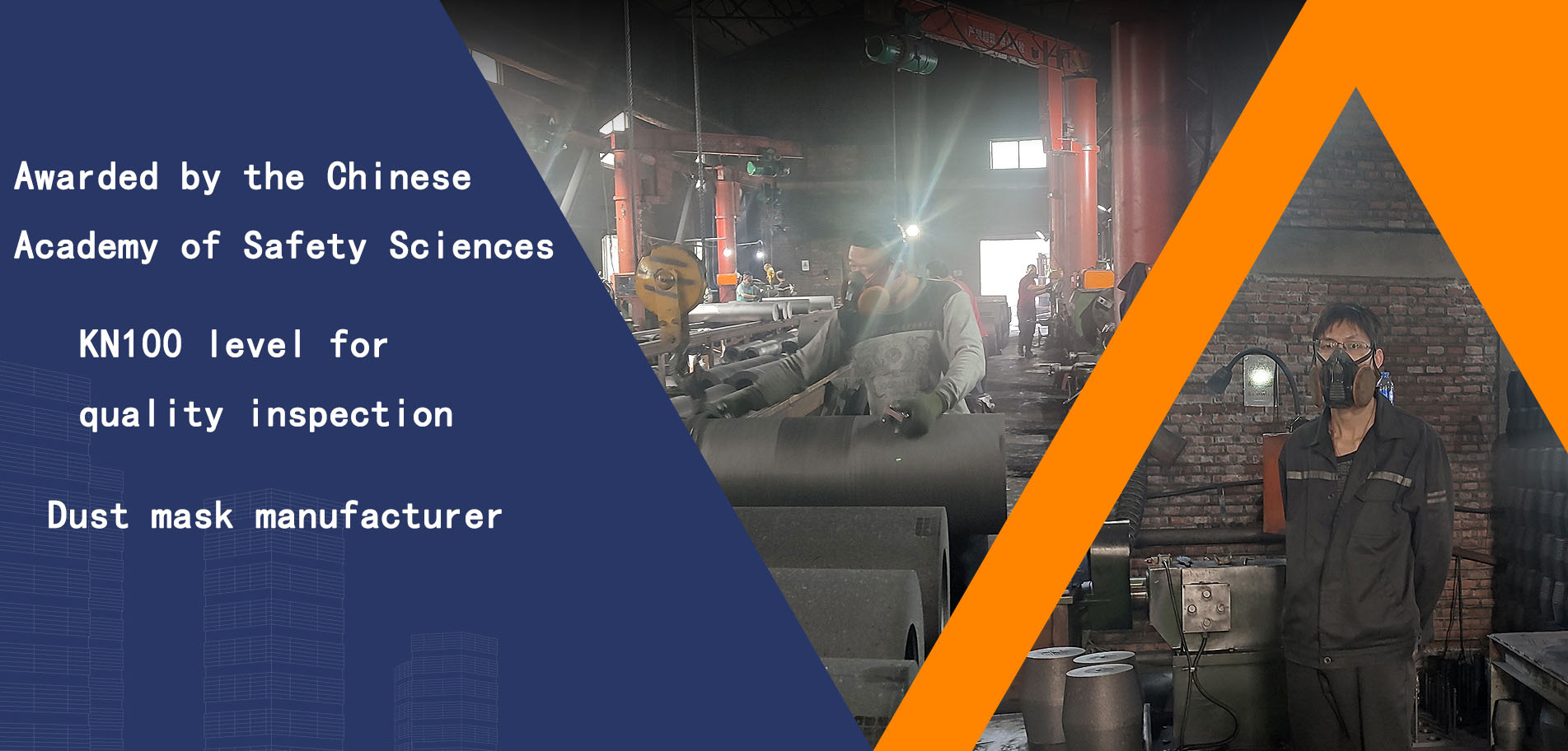
During the mining process, the environment is highly complex, with dust and toxic gases persistently remaining in the surrounding environment. Among these, dust-like substances such as silica dust and coal dust, which contain more than 10% free silica, can cause occupational diseases such as silicosis and pneumoconiosis if inhaled over a long period of time. These substances pose a serious threat to the respiratory health of workers. Therefore, ensuring respiratory protection is crucial for maintaining occupational health and preventing fundamental joint injuries in mining work. It is necessary to follow scientific and standardized principles to ensure a comprehensive protective process.
The respiratory hazards in mining mainly stem from two major sources: dust and toxic gases. In terms of dust, processes such as excavation, blasting, and grinding generate a large amount of silica dust, coal dust, graphite dust, and so on. These dust particles are small and have strong penetrating power, which can easily lead to deposition in the lungs. In terms of gases, some mining operations may also involve the leakage of toxic gases such as methane, carbon monoxide, and hydrogen sulfide, posing a risk of poisoning.
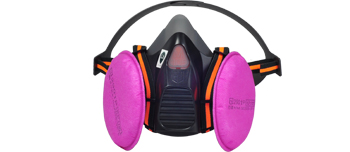
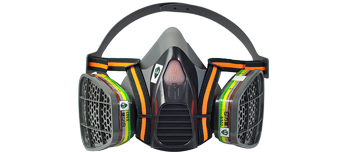
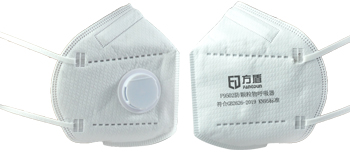
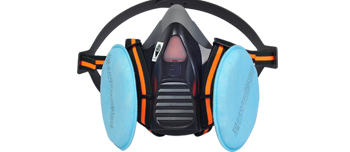
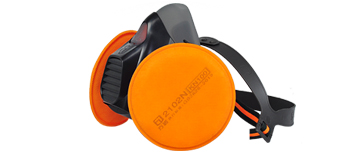
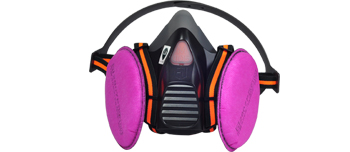
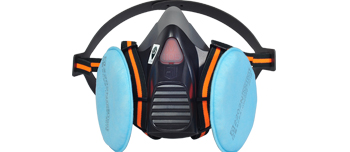
Therefore, when choosing a mask for this job position, one should consider both its ability to protect against toxic gases and dust. For dusty environments, one should opt for a self-priming dust-proof half-face mask that meets the GB 2626 standard. It is prohibited to use cotton cloth or items without protective capabilities. When working in environments with high dust concentrations, such as during blasting operations, one can choose a protective half-face mask with a higher filtration efficiency rating. It is essential to select a mask suitable for the dust concentration in the work environment and replace the filter cotton in the mask promptly to avoid compromising its effectiveness.
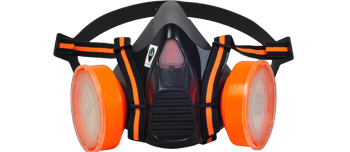
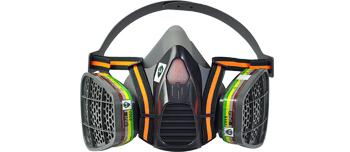
For work in toxic and hazardous gas environments, self-priming filter gas masks should be chosen, with corresponding adsorbents selected based on other types. If the work environment has severe gas concentration exceeding standards, oxygen deficiency risks, or complex and unknown gas composition, positive pressure self-contained closed-circuit compressed oxygen breathing apparatus or long-tube breathing apparatus should be used. These types of equipment can provide independent oxygen supply, ensuring more reliable protective efficacy.
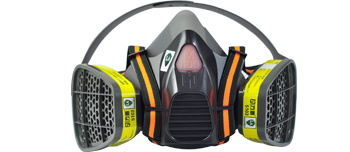
Protective equipment should be stored properly to avoid contact with sharp objects and prevent exposure to pressure and moisture. Self-rescuers should be secured at a convenient location on the waist, away from high temperatures and corrosive environments. Additionally, strict adherence to usage duration requirements is necessary: self-rescuers should be discarded after a single use and not reused. Consumables such as filter elements and adsorbents in respirators must be replaced regularly to ensure stable protective performance.