English
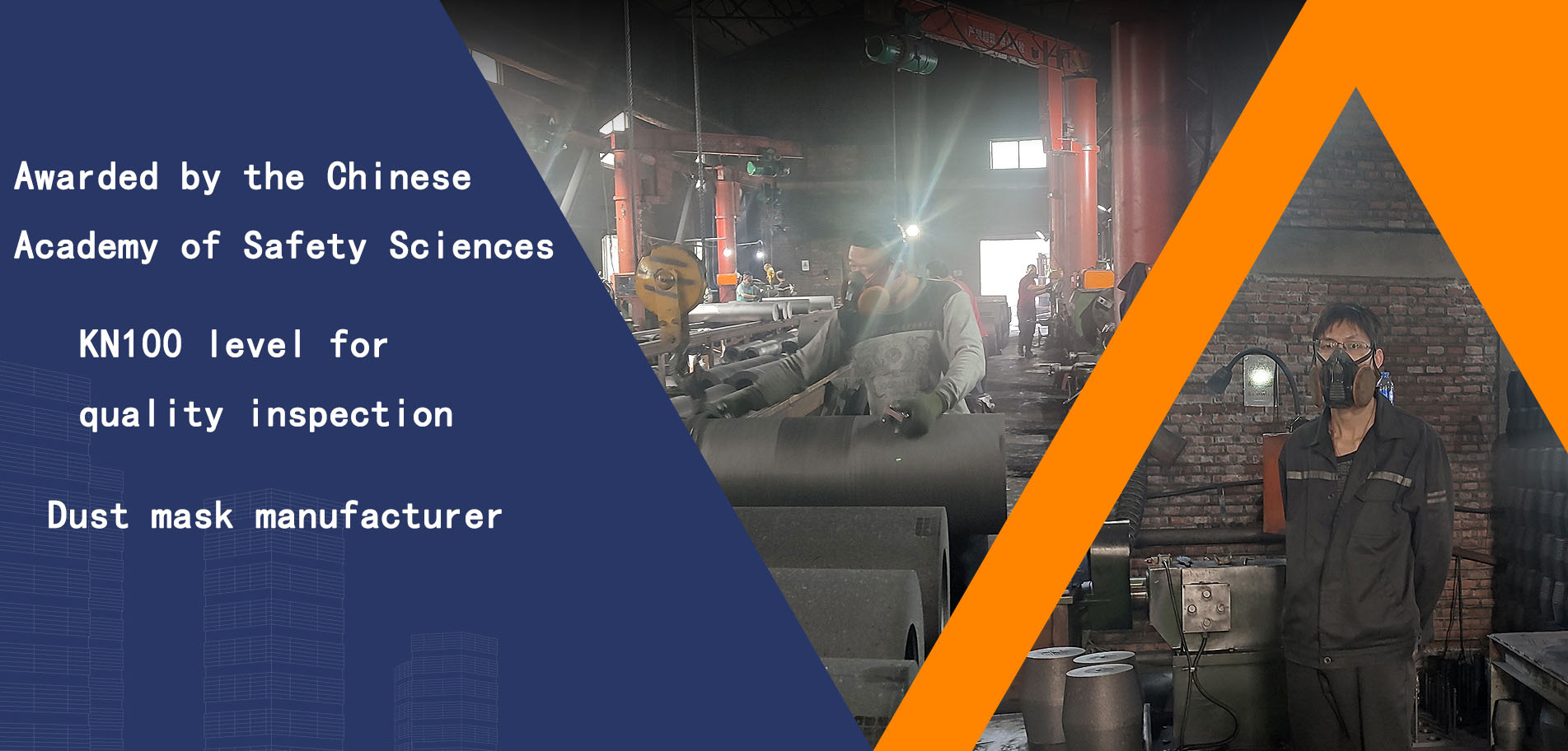
The plastic industry encompasses multiple stages, including raw material preparation, molding processing, and post-treatment. During the production process, risks such as volatile organic compound emissions, high-temperature melt splashes, and dust dispersion exist. The face and eyes, as sensitive parts of the human body that are exposed, are easily affected.

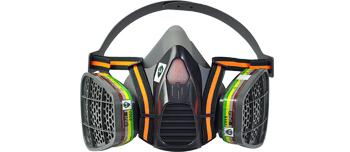
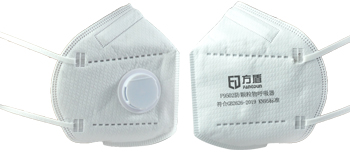
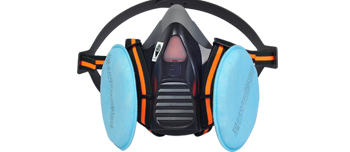
As a crucial personal protective equipment, protective face masks serve as the last key line of defense against occupational hazards and safeguard the health and safety of workers. Their standardized selection and correct use are crucial for reducing operational risks.
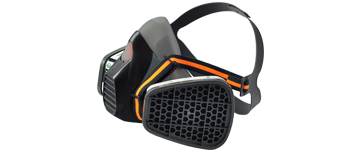
Various risks exist in all aspects of plastic production, such as burns from high temperatures, inhalation of harmful volatile organic compounds (VOCs), dust irritation, damage from organic solvent vapor, and splashes of corrosive liquids. These risks can harm facial skin, ocular mucosa, as well as the respiratory and nervous systems.

Protective face masks can effectively isolate these risks and are therefore indispensable in the production process. During operations, it is necessary to wear the face mask properly throughout the entire process, and it is strictly prohibited to wear it askew, half-wearing, or remove it temporarily. Especially in high-temperature and high-concentration VOCs environments, even if there is temporary discomfort, it is not allowed to remove the mask without authorization. After contacting chemical liquids or dust, if the lenses are stained with dirt, they should be wiped with a soft cloth in a timely manner, and hard objects should be avoided to prevent scratching and damage to the lenses.
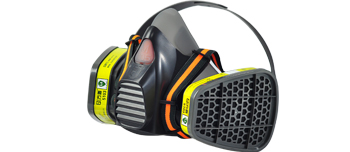
After high-temperature operations are completed, the mask must be allowed to cool down before being cleaned and stored to prevent accelerated aging of the mask material. If the mask is damaged, leaking, or the vision is blurred during the operation, the operator must immediately evacuate the work area and replace it with a qualified mask before resuming work.
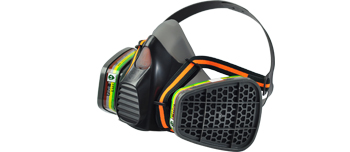
The standardized use of protective face masks is the basic guarantee for safe production in the plastics industry and an important manifestation of enterprises fulfilling their occupational health responsibilities. Only by selecting, wearing, and managing protective face masks properly can we effectively resist various operational risks, safeguard the health and safety of frontline workers, and build a solid safety line for the high-quality development of the industry.