English
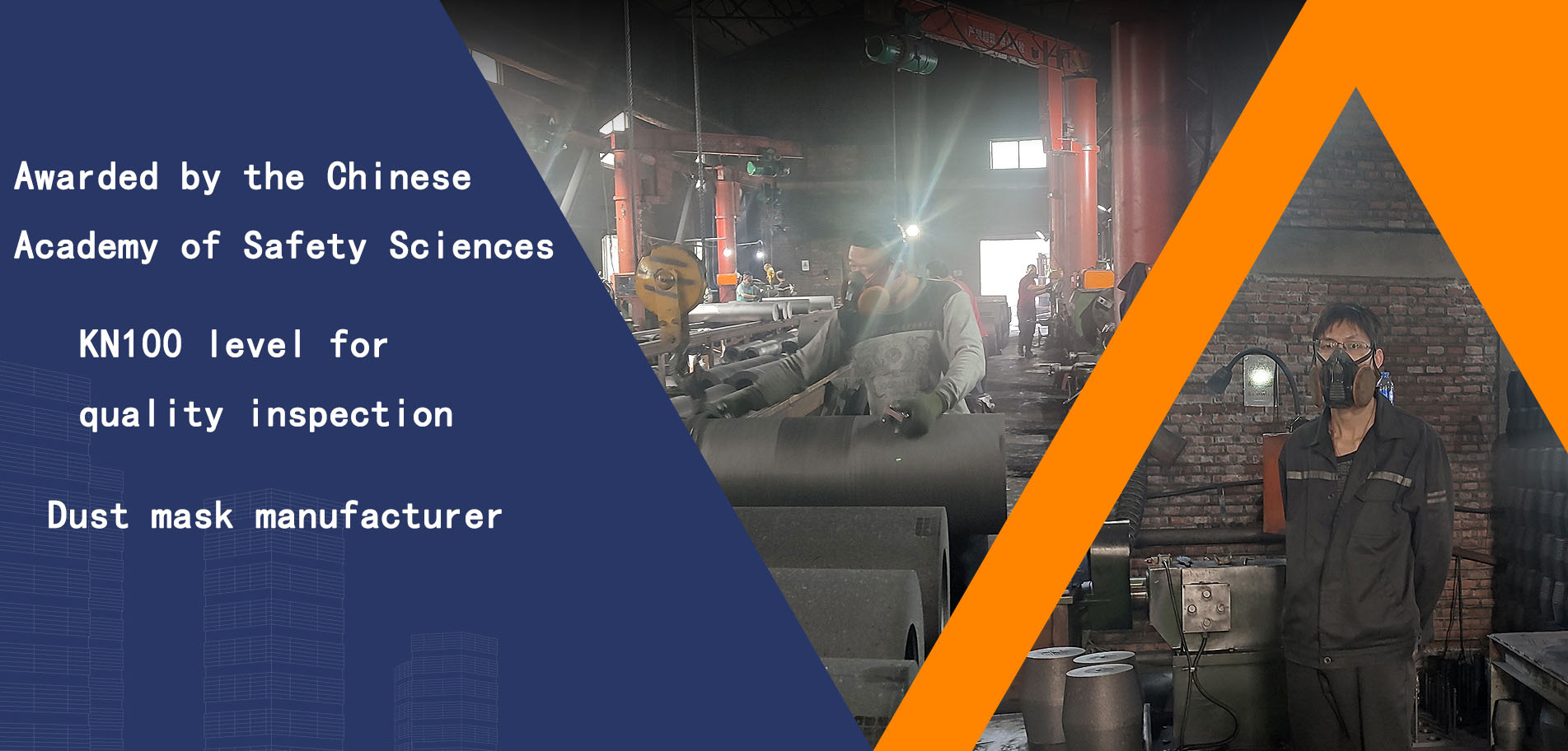
At the moment of stepping into the cement plant, the air seemed to be given weight. Fine dust is suspended in the air, forming a hazy veil under the reflection of light. Its main components include silicates, calcium aluminate salts, and possibly free silica crystals. The danger of these particles that are difficult to fully detect with the naked eye is inversely proportional to their volume - the smaller the particle size, the easier it is to penetrate into the lungs.
When workers inhale for a long time, especially inhalable dust (usually particles with aerodynamic diameters less than 7 microns), the defense line of health will quietly collapse. The most direct and cruel consequence is pneumoconiosis. This is not simply 'dust entering the lungs', but an irreversible disease caused by the deposition of dust in the alveoli, resulting in diffuse fibrosis of lung tissue.
In the early stages, it may only manifest as hidden cough and chest tightness, but as fibrosis intensifies, the lungs become like a sponge that gradually loses elasticity, making breathing increasingly difficult. The free silica in cement dust is the main culprit causing silicosis, with a stronger ability to induce fibrosis.
In addition, long-term exposure to dust may cause respiratory diseases such as chronic bronchitis and asthma, and dust may also become a carrier for other toxic substances (such as some heavy metals) to enter the human body. The data clearly and definitely show that the incidence rate of occupational diseases of the respiratory system has increased significantly in the working environment with improper protective measures.
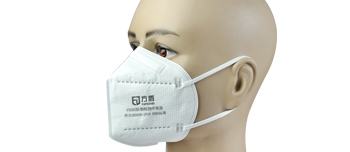
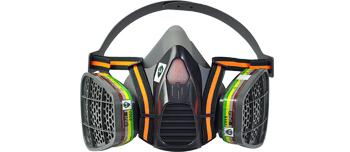
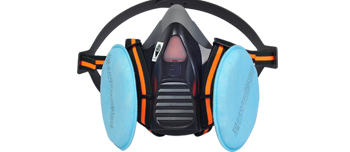
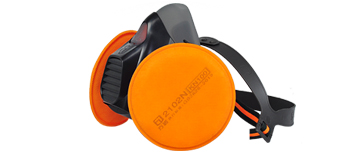
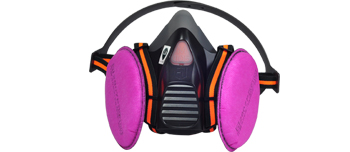
In the current industrial situation where source control measures such as sealing, ventilation, and watering cannot capture 100% of all emitted dust, the importance of personal protection as the last checkpoint cannot be overemphasized. The physical core of this barrier is the "mask" - more professionally, respiratory protective equipment.
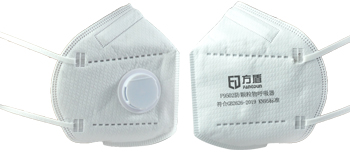
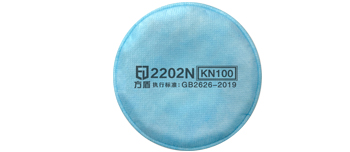
Its working principle is not mysterious, but based on precise physical interception (such as fiber filtration) and possible electrostatic adsorption. It is crucial to choose appropriate protective equipment based on the characteristics of dust in cement plants. The Chinese standard (GB 2626-2019) divides particulate matter respirators into multiple levels based on filtration efficiency, such as KN90, KN95, KN100, etc. (corresponding to filtration efficiencies of not less than 90%, 95%, and 99.97% for non oily particulate matter, respectively). When facing cement dust, at least KN95 grade should be selected.
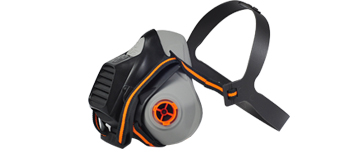
In addition, the sealing of masks is almost as important as the filtering material itself. Even the most efficient filtering material, if there is a leakage gap with the face, the protective effect will be greatly reduced. However, wearing qualified masks correctly and consistently is actually a competition with habits, discomfort, and environmental conditions.
Common usage misconceptions include: only covering the mouth and nose without tightening the nose clip, not changing the mask for a long time (which increases respiratory resistance and may cause secondary pollution), casually exposing and storing the mask, and even symbolically wearing the mask by pulling it to the chin due to feeling stuffy. These behaviors render protective measures ineffective.
The dust in cement plants is like a hidden health hazard in the air. Behind the invisible particles, there is irreversible lung damage and a heavy occupational health cost. From source control to personal protection, every line of defense must not be slackened, and as the last line of defense, respiratory protective equipment is not a "formal" equipment, but a solid defense line to protect life.
Choosing KN95 and above level respirators, wearing them tightly and replacing them in a timely manner, and transforming standardized protection into daily work habits, is the most practical protection for every practitioner who faces dust. Do not let negligence and luck steal the supposed smooth breathing from invisible dust.