English
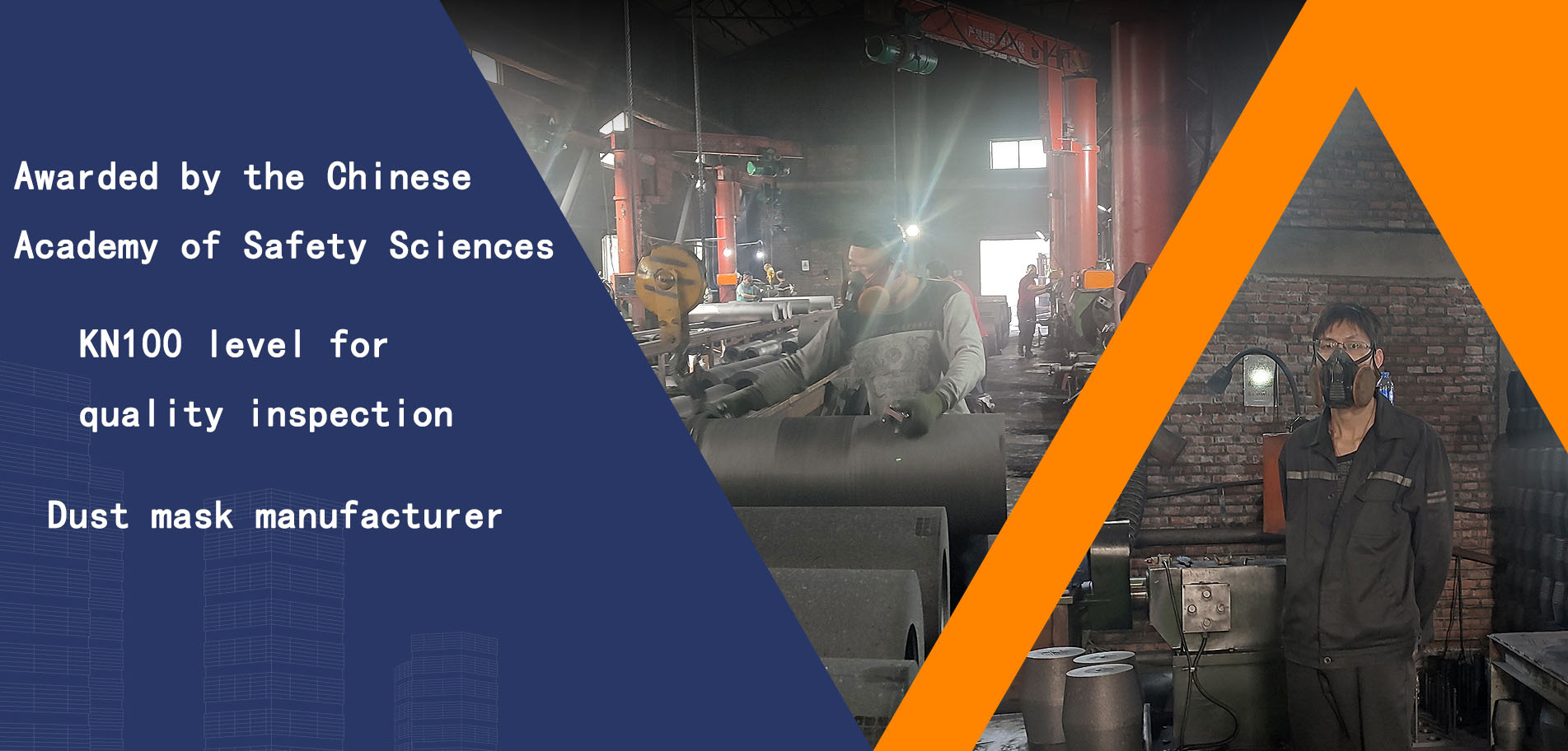
Pneumoconiosis is a systemic disease characterized by diffuse fibrosis of lung tissue caused by long-term inhalation of productive dust and its retention in the lungs. The course of the disease is irreversible and the harm is far-reaching. Wearing dust masks that meet the standards is the last and most critical line of defense for respiratory protection for dust exposed workers.
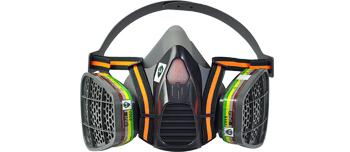
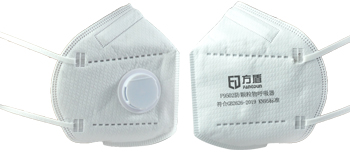
The Fangdun KN100 dust mask belongs to the top category of dust protection in China, with a filtration efficiency of over 99.97%, which can effectively intercept the tiny dust that causes pneumoconiosis. However, only through scientific selection and standardized use can its protective effect be truly realized.
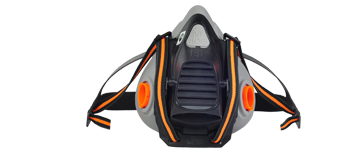
The primary principle for choosing KN100 dust masks is to confirm that the product complies with relevant national standards. This is not only the foundation for ensuring the effectiveness of protection, but also the key to distinguishing qualified products from "three no" inferior products. The pathogenic dust of pneumoconiosis is mostly small particles with a particle size of 0.5-5 microns, especially silica dust, coal dust, etc. Only KN100 masks that meet the standard can achieve effective interception, and the filtration efficiency of inferior products is usually much lower than the standard requirements. Long term use of such products can actually increase the risk of illness due to "false protection".
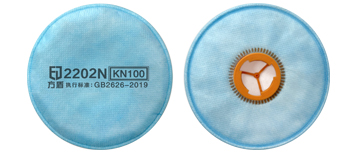
When making a purchase, it is important to check two core standard labels: firstly, the national product quality standard GB 2626-2019, which is the core implementation standard for dust masks in China. It clearly stipulates that the filtration efficiency of KN100 level for non oily particles above 0.075 microns should be ≥ 99.97%, and the penetration rate should be ≤ 0.03%; Secondly, the product packaging should clearly indicate the "KN100" protection level, and should also be accompanied by manufacturer information, product certification, testing reports, and other relevant qualifications. For products without labeling or incomplete qualifications, we will resolutely refuse to purchase them.
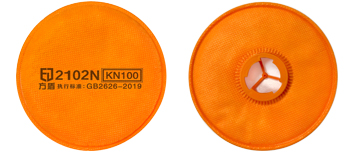
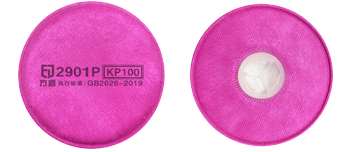
In addition, it is important to distinguish the applicable scenarios of KN and KP masks: KN masks are specifically used to filter non oily particles such as coal dust, silica dust, cement dust, metal dust, etc., and are the mainstream choice for preventing pneumoconiosis; KP masks are designed for oily and non oily particles, such as oil mist, asphalt smoke, etc. If there is no oily dust in the work environment, there is no need to choose KP masks separately. This can avoid increasing procurement costs and ensure more targeted protection.
Choosing the right one is a prerequisite, using it well is the key. Standardize the wearing of KN100 dust masks, conduct facial sealing checks, promptly replace damaged masks with increased respiratory resistance, prevent dust leakage and expired use, and ensure that high-level protection is truly implemented.
Pneumoconiosis can be prevented but not treated. Every worker exposed to dust should pay attention to respiratory protection, integrate the requirements of scientific selection and standardized use of masks into every aspect of daily operations, use professional protection to safeguard their own lung health, and build the first line of defense for occupational health.