English
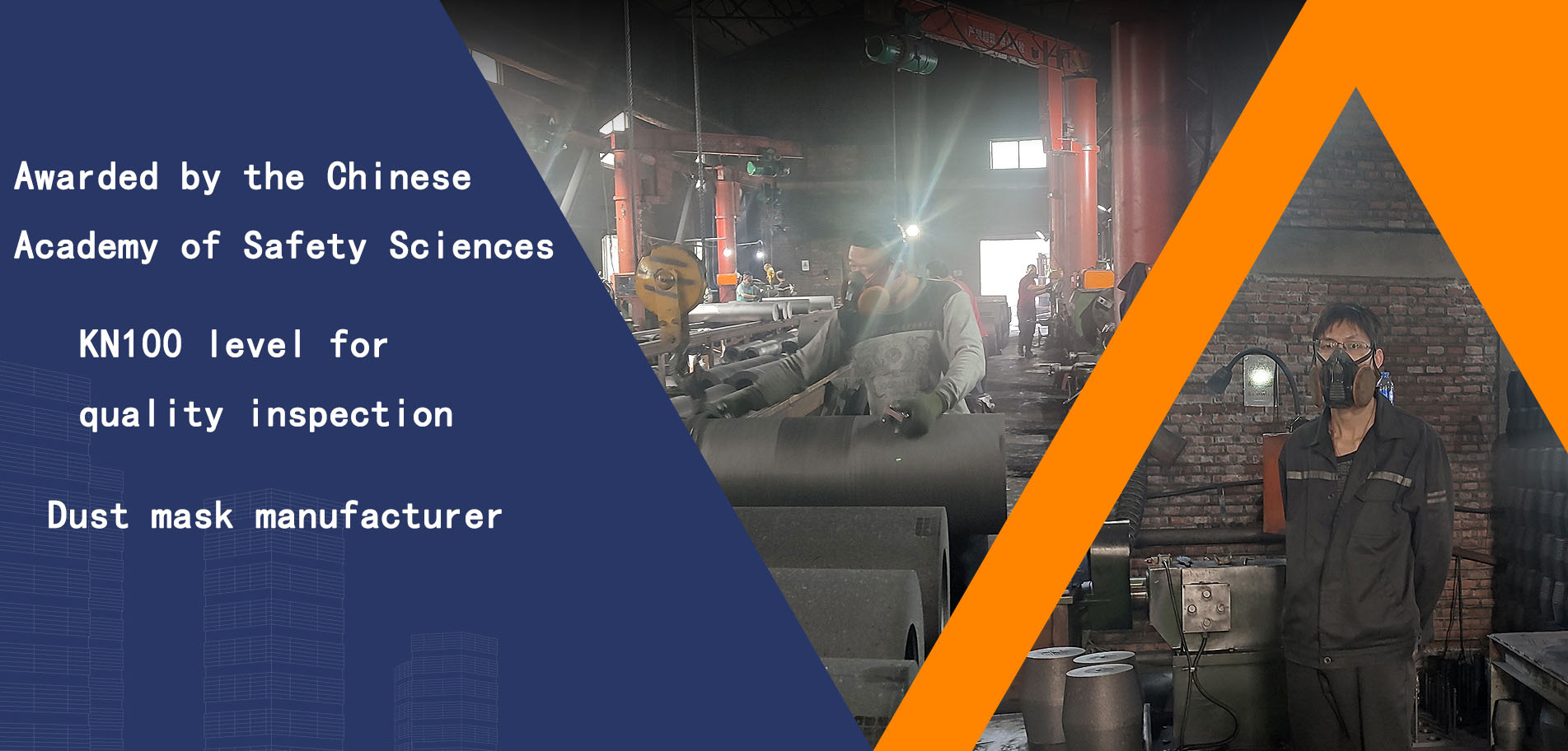
In industrial workshops, construction sites, underground mines, or daily dust and haze commuting scenes, dust is like an invisible "health killer", quietly eroding our respiratory system. Many people mistakenly believe that "visible dust is dangerous", but they do not know that those respiratory dust particles that are so fine that they are difficult to distinguish with the naked eye are the culprits that cause irreversible respiratory diseases - they have a diameter of ≤ 7.07 μ m, can penetrate the nasal cavity, trachea, and directly reach the alveoli, and long-term accumulation can induce inflammation, fibrosis, and even lead to serious occupational diseases such as pneumoconiosis.
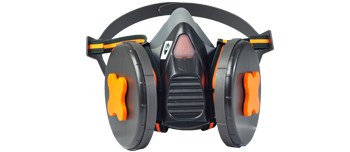
According to data from the National Health Commission, occupational pneumoconiosis remains the most reported occupational disease in China, and a qualified dust mask is the first and most important line of defense against these "invisible killers".
First, dispel the misconception: These misconceptions are overdrawing your respiratory health
In the selection and use of dust masks, many people have fatal misconceptions. Although they seem to have done a good job of protection, it is actually equivalent to "running naked", giving dust an opportunity to take advantage of.
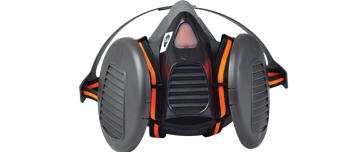
Misconception 1: Medical masks can replace dust masks. Many people confuse the purposes of the two and believe that as long as it is a mask, it can prevent dust. In fact, the standards and functions of the two are completely different: the core standard for medical masks is YY0469-2011, which is mainly used to block droplets and prevent cross infection, with extremely low requirements for dust filtration efficiency and facial tightness; The core of the Fangdun dust mask is to filter dust particles, pay attention to facial sealing, and prevent dust from infiltrating through gaps. If a medical mask is used instead, it is equivalent to "ineffective protection" in a dusty environment, and long-term use can easily cause respiratory damage.
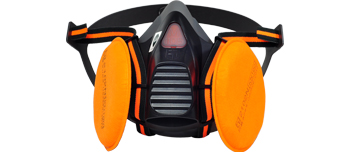
Misconception 2: The higher the level of protection, the better. Many people blindly pursue high-level protection, believing that the higher the level, the safer it is, but ignore the comfort of wearing it. The higher the level of protection, the greater the respiratory resistance. Long term wearing can easily cause suffocation and respiratory fatigue, especially during heavy physical labor, which may make people take off their masks voluntarily and reduce the effectiveness of protection. In fact, selecting the level of adaptation to the scene as needed is necessary to balance protection and practicality.
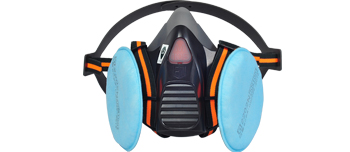
Misconception 3: Disposable masks can be washed and reused. The filter layer of disposable dust masks relies on the principle of electrostatic adsorption to capture dust. Washing with water can damage the electrostatic structure of the filter material, resulting in a sudden drop in filtration efficiency. At the same time, it can cause deformation of the mask body, aging of the headband, and loss of sealing effect. In addition, some people easily believe in the "washable" promotion and repeatedly use dirty masks, which may cause the adsorbed dust to contaminate the respiratory tract again.
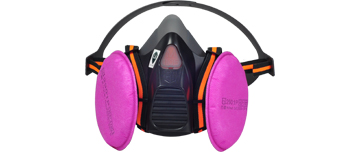
Misconception 4: Ignoring the degree of tightness, no matter how good the filtering is, it will be in vain. Even if the filtering level of the mask meets the standard, if it does not fit tightly with the face, dust will seep into the gaps such as the nose bridge, cheeks, chin, etc., leading to ineffective protection. Many people do not adjust the nose clip, check the air tightness, or wear facial hair or accessories when wearing them, which will affect the sealing effect and make the protective effect fail.
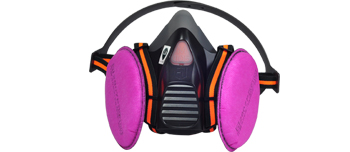
Protection without pitfalls, health without compromise. Choose Fangdun dust masks to block hidden hazards with professional strength, providing protection for industrial operations and daily commuting, and ensuring every clean breath.