English
When the welding gun bursts with dazzling arc light, the molten metal turns into splashing sparks, and welders complete the splicing of workpieces one by one in high temperature and strong light. Many people only see the power and precision of welding operations, but are unaware that beneath the welding gun lies a group of invisible "invisible killers" silently eroding the health of workers. Protective masks are the first and most important line of defense against these threats.
The arc light generated during welding gun operation is the most intuitive yet confusing invisible killer. This strong light intensity is hundreds of times that of natural light, containing a large amount of ultraviolet and infrared rays, and the naked eye cannot withstand direct vision. Short term negligence, even a few seconds of naked eye observation, can lead to electric eye inflammation. After the incubation period, symptoms such as eye pain, photophobia, and tears will follow one after another, as if sand has entered the eyes. In severe cases, it can also damage the cornea. Long term exposure may even trigger cataracts and deprive vision. Meanwhile, ultraviolet radiation can also burn the skin, causing redness, peeling, accelerating skin aging, and increasing the risk of skin cancer.
What is more concealed than arc light is the welding fumes that diffuse in the air. When a welding gun melts metal at high temperatures, it produces a large amount of fine smoke and dust, including harmful substances such as iron oxide, manganese oxide, fluoride, etc. These particles are so small that they can easily penetrate the respiratory tract and enter deep into the lungs. Long term inhalation can cause welding worker's pneumoconiosis, a chronic disease that initially manifests as mild coughing and phlegm production. Later on, it gradually leads to pulmonary fibrosis, making it difficult for people to breathe and lose their ability to work. Once the damage is formed, it is irreversible. In addition, inhaling large amounts of metal oxide smoke and dust in a short period of time may also cause metal smoke fever, resulting in symptoms similar to a cold such as chills, high fever, and headaches. Repeated attacks can seriously damage bodily functions.
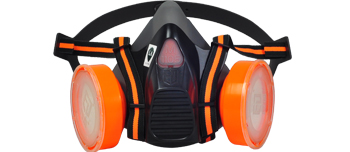
In addition to arc light and smoke, harmful gases such as carbon monoxide and nitrogen oxides generated during the welding process are also latent health threats that can irritate the respiratory tract, affect the oxygen supply function of the human body, and in severe cases, can lead to poisoning. These invisible killers are everywhere, but not flawless. A qualified protective mask can build a comprehensive protective barrier for welders.
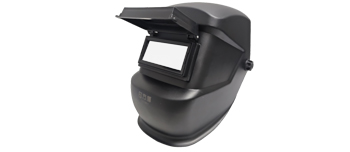
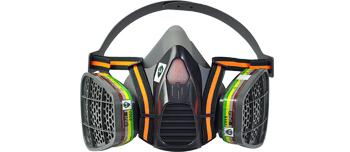
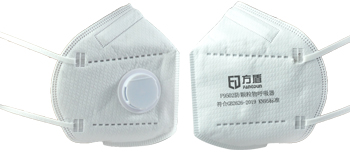
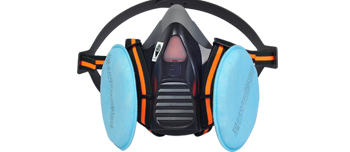
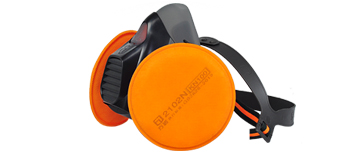
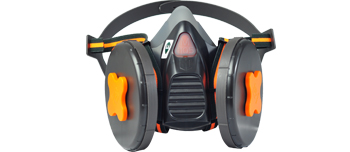
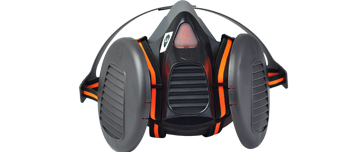
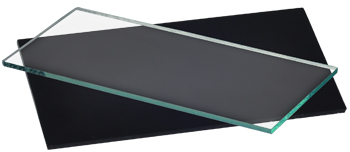
The protective face mask uses special filter lenses to instantly filter harmful rays from arc light, reducing the strong light to a range that the human eye can tolerate, preventing the occurrence of electric eye inflammation, and protecting the facial skin from UV burns and spark splashes. High quality face masks can effectively block the invasion of welding fumes and harmful gases, reduce respiratory injuries, and lower the risk of occupational diseases. It is not only a simple protective tool, but also a "safety armor" for welders. Every time it is worn correctly, it is a responsibility to oneself and one's family.
At the welding operation site, there are always a few people who hold a lucky mentality, thinking that "it's okay not to wear it occasionally", but they don't know that invisible killers never give people the opportunity to regret. The occurrence of occupational diseases is often the result of long-term accumulation, and one negligence can be a lifelong regret.
The welding gun is silent, but there is a sound of protection. Every welding practitioner should always remember the principle of "safety first" and make wearing a protective face mask a habit. This invisible defense line can isolate health threats under the welding gun, protect the perfect formation of the workpiece, and also safeguard their own physical health, so that every welding can be safe and secure.