English
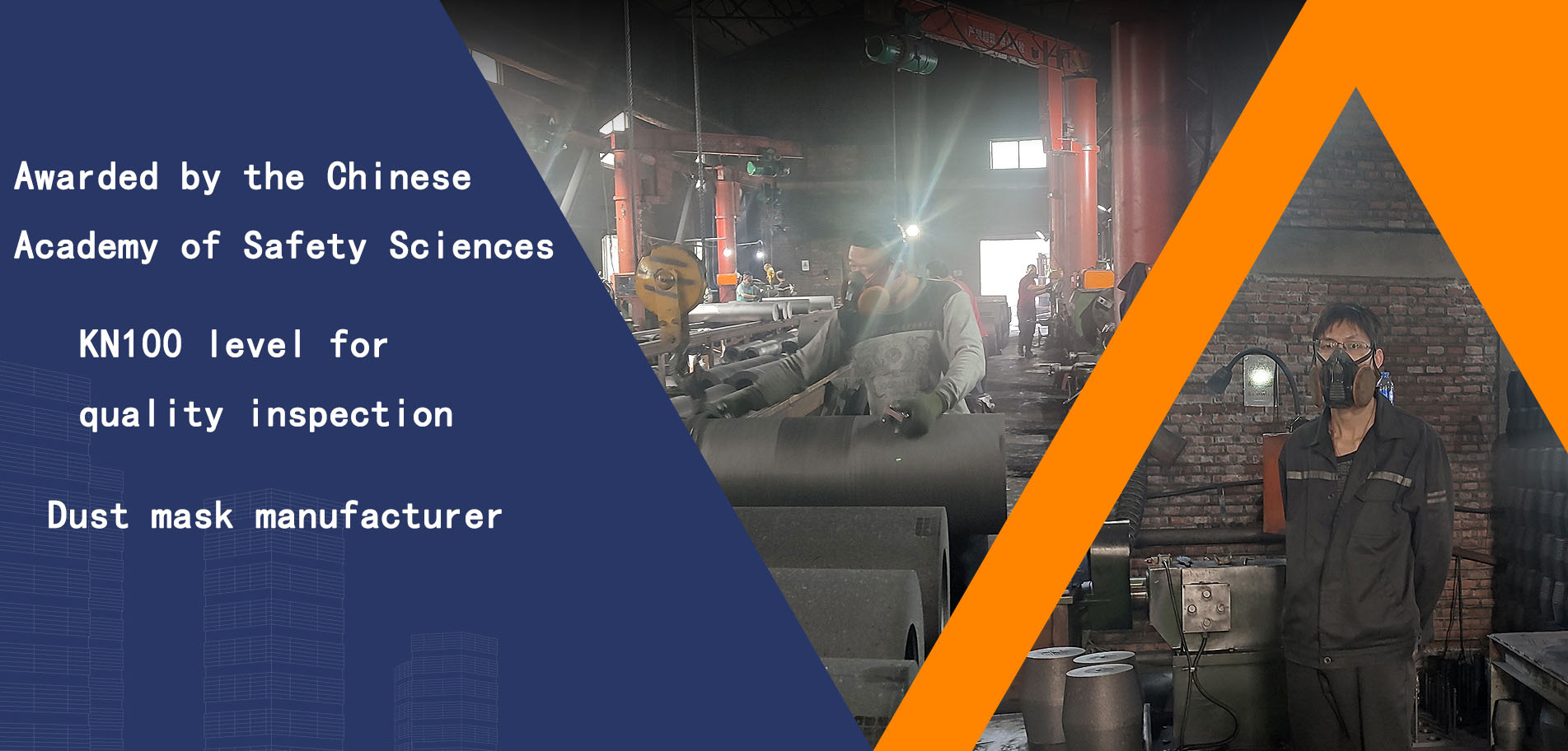
At the paint job site, behind color and creativity, there are hidden health threats that are difficult to see with the naked eye. The organic solvents and suspended particles in paint diffuse into the air with each trigger of the spray gun, becoming an occupational health challenge that practitioners must face. Among these protective measures, the half mask, as the most common respiratory protective equipment, plays an important role in safeguarding the respiratory system of spray painting workers.
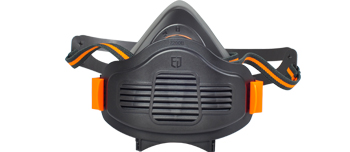
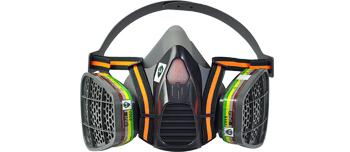
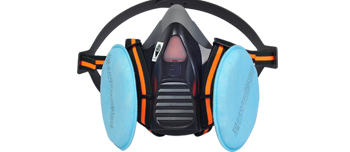
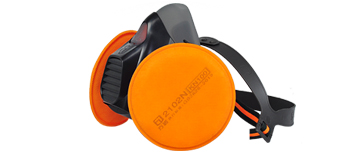
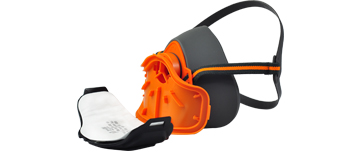
The working principle of a half face mask is not complicated. It covers the mouth and nose, and uses filter cotton and filter boxes to filter harmful substances in the air in multiple layers. When the user inhales, harmful particles in the air are trapped by the filter cotton, and organic vapors are adsorbed by the activated carbon filter box, allowing clean air to enter the respiratory system. This physical and chemical combined filtration method can effectively reduce the concentration of harmful substances that users come into contact with.
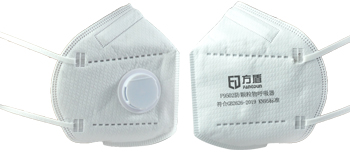
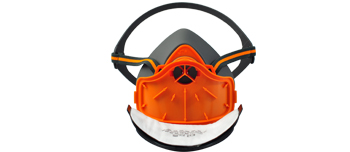
The correct wearing method is crucial to fully utilize the protective effect of the Fangdun half mask. Before use, check the overall integrity of the mask, paying special attention to whether there are cracks in the mask body and whether the exhalation valve is clean and can be opened and closed freely. When wearing, it is necessary to adjust the headband to the appropriate elasticity to ensure a tight fit between the mask and the face, without causing discomfort due to excessive tightness. After each wearing, a simple air tightness check should be performed - seal the air inlet with your palm and slowly inhale, feeling that the mask should collapse inward and there should be no air leakage at the edges, which indicates that it is worn properly.
The pollutants in the spray painting environment are complex and diverse, and the selection of suitable filter materials directly affects the protective effect. For paints containing organic solvents, a filter box capable of filtering organic vapors must be used, along with particulate filter cotton to intercept solid components in the paint mist. The filter material is not a permanent guardian. When the user senses the smell of the solvent through smell or experiences a significant increase in respiratory resistance, it means that the filter material is close to saturation and needs to be replaced immediately.
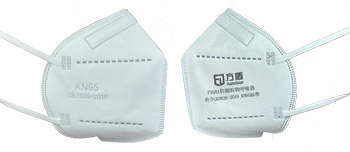
Daily maintenance determines the service life and continuous protection capability of the half mask. After each use, the paint dust adhering to the inside and outside of the mask should be cleaned in a timely manner, and the mask body should be wiped with a mild cleaning agent, paying special attention to the cleanliness of the exhalation valve. The cleaned face mask should be placed in a clean and ventilated area to air dry naturally, avoiding direct sunlight or high temperature baking to prevent material aging and deformation. After the mask is completely dry, place it in a clean storage container and store it together with unused filter materials in a pollution-free clean environment.
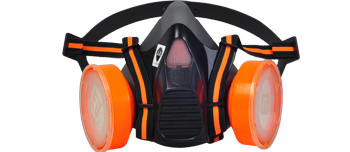
It is worth noting that although half face masks can provide effective protection, there are also limitations on their applicability. In enclosed spaces, high concentration pollutant environments, or places with insufficient oxygen, half masks cannot provide sufficient safety protection, and higher-level respiratory protective equipment must be selected. In addition, special facial features such as beards or facial contours may affect the fit, and in such cases, the use of powered air supply respiratory protective equipment should be considered.
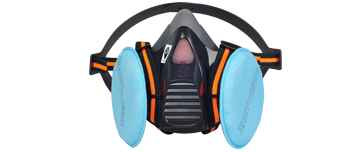
Spray painting is like putting a beautiful coat on an invisible battlefield, and the Fangdun half mask is the loyal guardian of health in this battle. Choosing, wearing, and maintaining this seemingly simple protective equipment correctly allows every spray painter to protect their respiratory health while creating. The true meaning of occupational protection is to ensure that safety awareness covers every operation while coating objects.