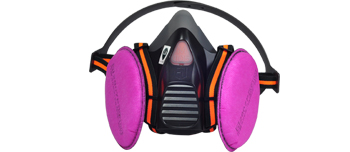
English
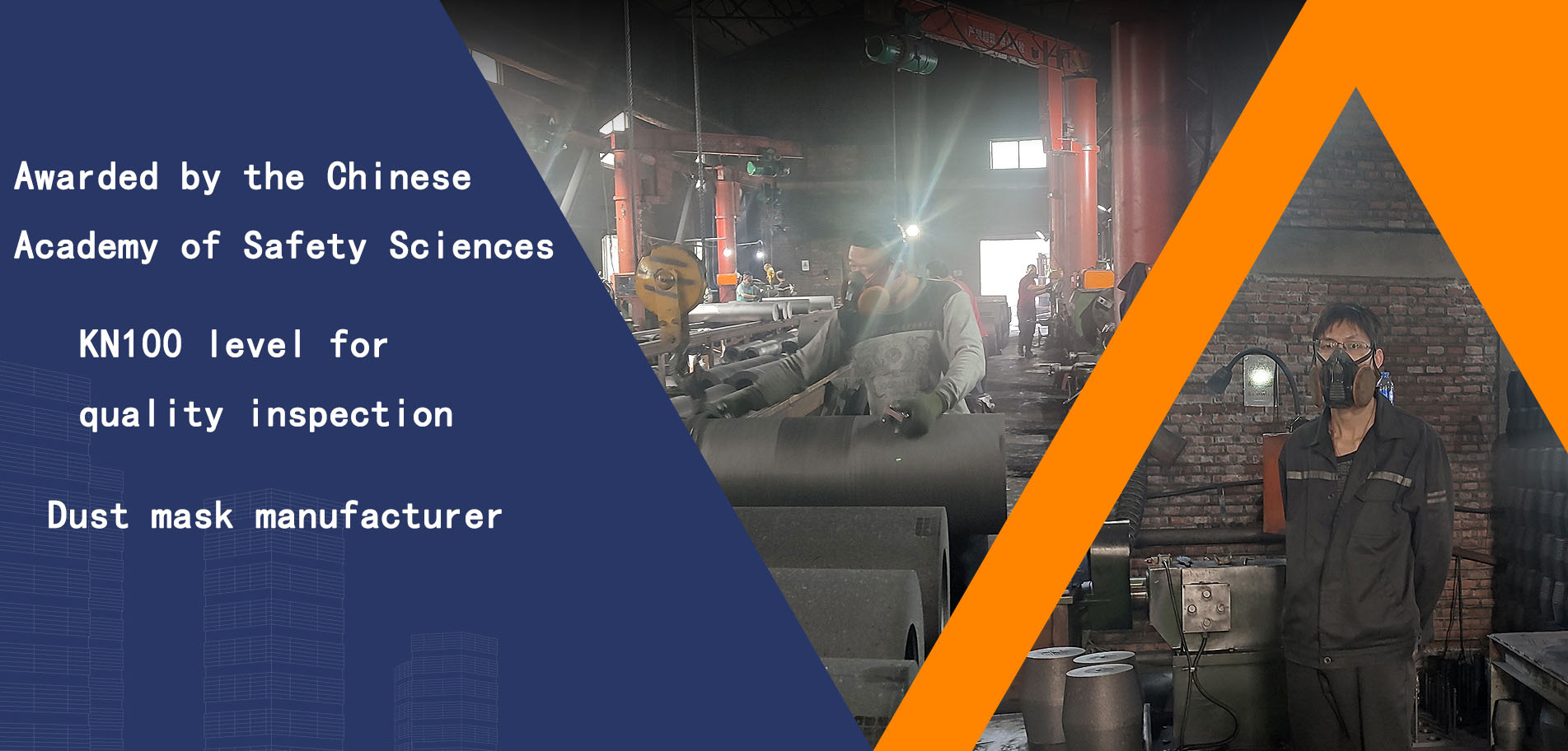
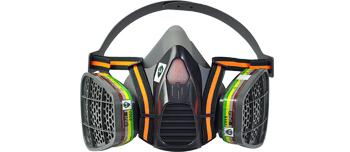
During sanding and painting operations, the air in the work environment is usually filled with two main types of pollutants: dust particles generated by sanding and organic solvent vapors (such as benzene, toluene, formaldehyde, etc.) emitted during painting. Long-term inhalation of these substances can cause irreversible damage to the respiratory system and even induce occupational diseases. Therefore, correctly selecting, wearing, and maintaining FangDun half-face respiratory protective equipment is a crucial line of defense for safeguarding the health of operators.
1. Selection and inspection before operation
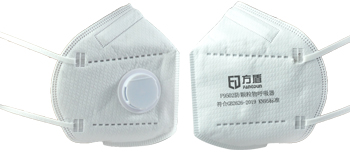
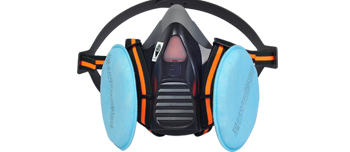
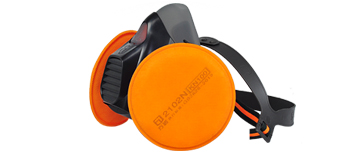
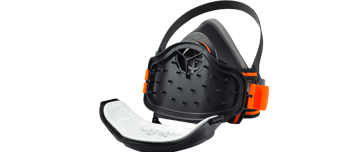
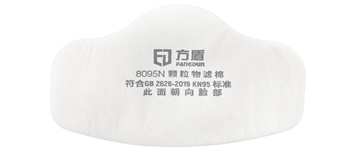
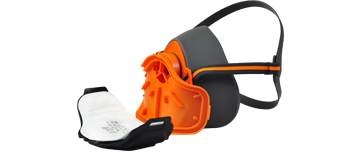
Half-face masks cannot be purchased and used casually. It is necessary to choose the appropriate filter element based on the type of work. Grinding operations produce dust particles, so a particulate matter filter cotton should be selected. For painting operations, in addition to particulate matter, the more dangerous is organic vapor. Therefore, a gas filter cartridge capable of adsorbing organic vapor must be chosen, usually used in combination with dust filter cotton to provide protection against both dust and toxic gases.
Before wearing, it is essential to conduct a visual inspection. Check the mask body for any cracks or deformations, and ensure that the headband is elastic and intact. For the filter box, pay attention to its expiration date. If the packaging is damaged or has expired, the adsorption efficiency will be greatly reduced, and it must be replaced.
II. Proper wearing and air tightness testing
The half-face mask can only function if it fits tightly to the face. First, cover your mouth and nose with the FangDun mask, secure the headband on the top of your head and the back of your neck, and adjust the tightness so that it is secure but not overly constrictive. After wearing, you must conduct an air tightness test:
Negative pressure test: Gently cover the air inlet of the filter box or filter cotton with your palm, and then slowly inhale. If you feel the mask slightly collapse inward and fit snugly around your face without any air leaking in, it indicates good sealing; otherwise, you need to readjust the headband or mask position.
Positive pressure test: Cover the exhalation valve with your palm and exhale slowly. If the mask slightly bulges and no gas leaks from the edges, it also proves that the fit is satisfactory.
It should be noted that facial beards, stubble, or deep scars can compromise airtightness, leading to air leaks. Such individuals should consider using other protective equipment that does not rely on facial sealing.
III. Timing of replacement during use
The filter element is not permanent and requires regular replacement. It should be replaced immediately when any of the following conditions occur:
Increased respiratory resistance: Feeling that inhaling is strenuous and suffocating indicates that the filter cotton has been clogged by dust. Even if it has not been used for long, it should be replaced promptly.
Smell of abnormal odor: During painting operations, if you can clearly smell the odor of paint penetrating through the mask, it indicates that the activated carbon in the filter box has reached saturation and lost its ability to filter toxic gases. It is necessary to immediately replace the filter box with a new one.
Component damage: If the mask is deformed, the headband is loose and loses its elasticity, or the exhalation valve is damaged, the corresponding component or the entire mask should be replaced.
IV. Maintenance and Storage after Use
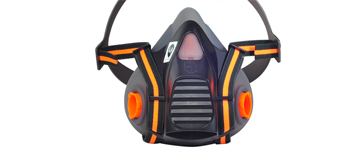
After use, the mask should be disposed of properly. If it is a reusable mask, gently wipe the mask body with a soft cloth dampened with a small amount of neutral detergent (such as soapy water). It is strictly prohibited to use organic solvents for wiping, as they may corrode rubber or plastic parts. The filter box and filter cotton are not suitable for cleaning and cannot be washed with water.
When storing, the mask should be kept in a clean, dry environment free from pollution sources (away from chemical storage areas) and protected from direct sunlight. Unused spare filter cartridges should be sealed and stored to prevent them from losing effectiveness due to slow adsorption of harmful gases in the environment after prolonged exposure to air.
In summary, the protection during sanding and painting operations is a systematic project, and the half-face mask serves as the "last line of defense" for protecting respiratory organs. From selection, wearing to maintenance, every detail is related to life and health. It is absolutely impermissible to neglect protection due to a desire for convenience or a sense of luck.