English
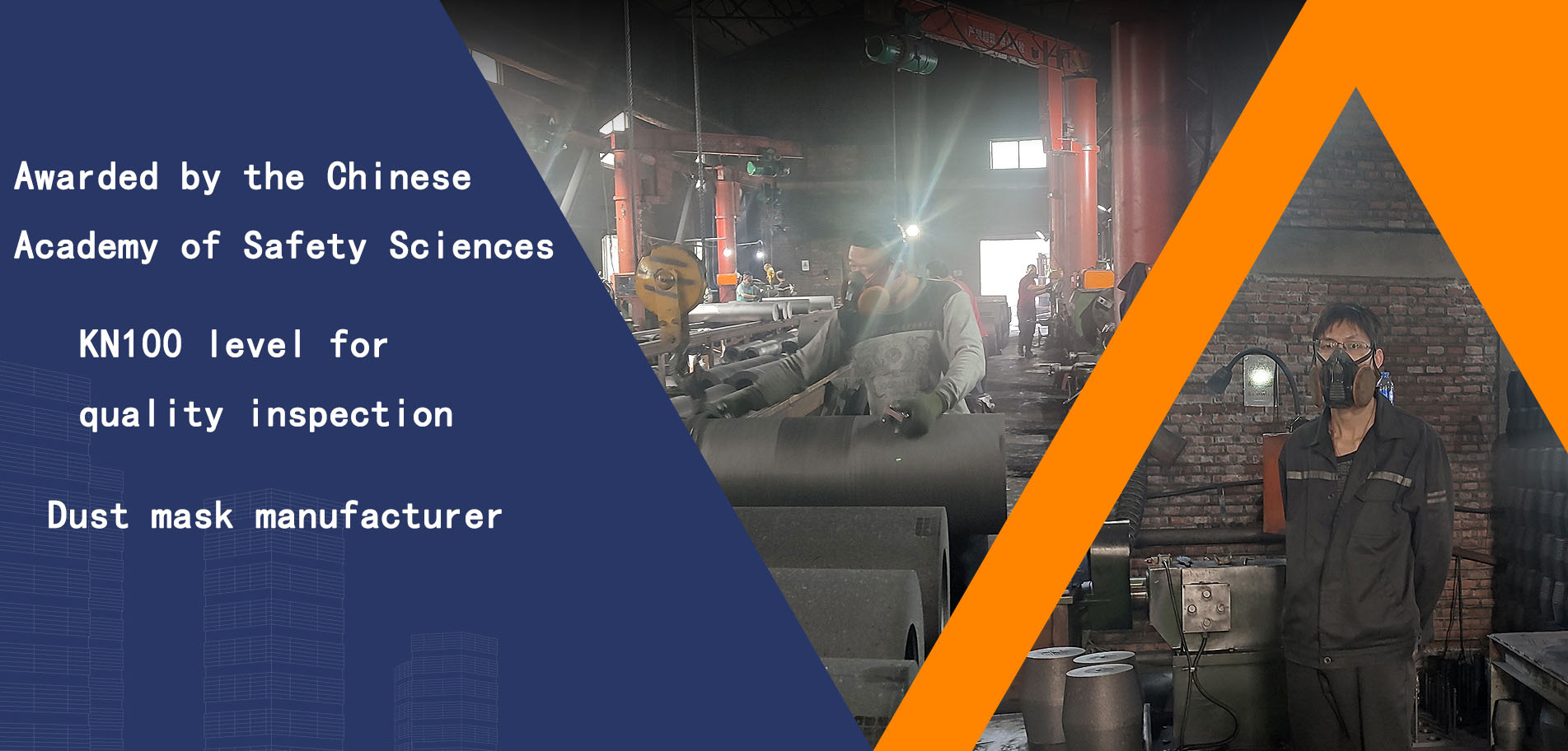
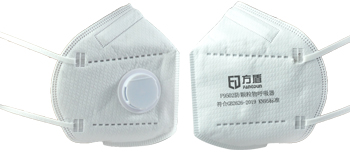
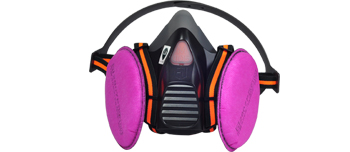
Dust control in quartz sand workshops has always been a top priority for occupational health protection. In the case where engineering protective measures are difficult to completely eliminate dust emissions, the Fangdun dust mask, as the "last line of defense" to protect the respiratory health of workers, the accuracy of its selection and adaptation directly determines the success or failure of protection. Firstly, it is necessary to clarify the core objectives of protection. The free silica content in quartz sand is extremely high, and the respiratory dust (particle size less than 7 microns) generated after crushing can penetrate deep into the lungs, leading to silicosis. Ordinary disposable dust masks often struggle in high concentration dust environments.
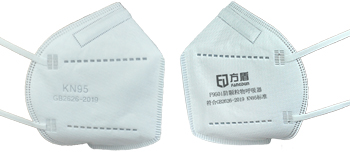
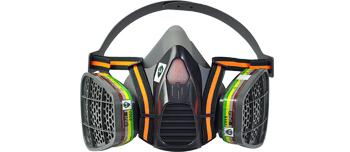
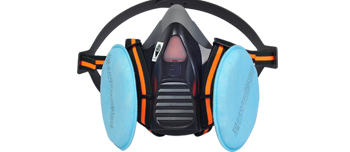
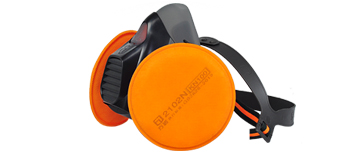
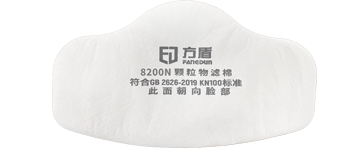
Although this type of mask is lightweight, it is limited by its structure and difficult to maintain a balance between low respiratory resistance and high filtration efficiency for a long time. For quartz sand processing operations, it is recommended to prioritize the use of self-priming filter anti particle respirators, such as half face or full face masks. When selecting, two core indicators should be considered: protection level and sealing performance. From the perspective of protection level, for silicon dust, the filter cotton matched with the mask must reach KN100 or KP100 level (according to GB 2626-2019 standard), and the filtration efficiency for ultrafine particles must not be less than 99.97%. Many workers complain that the face mask "holds their breath", often due to the use of low-grade filter cotton, which quickly clogs the pores with dust, resulting in a sharp increase in respiratory resistance.
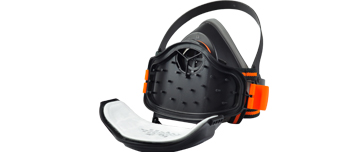
Although high-grade filter cotton has a slightly higher initial cost, it has a large dust holding capacity, longer actual service life, and higher overall cost-effectiveness. However, what is more critical and easily overlooked than the grade of filter cotton is the tightness of the mask body. In the quartz sand workshop, a common dangerous phenomenon is that although workers wear face masks, there are gaps between the mask and the face. According to the principle of "shortest path", high concentration dust will flow into the gaps, making the filter cotton virtually useless. Therefore, the selection of face masks must not be a one size fits all approach.
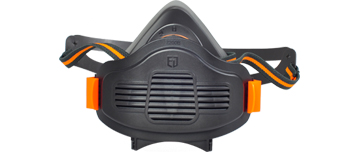
Everyone's face shape, nose bridge height, and cheekbone shape are different. The same mask may be suitable for worker A, but not necessarily for worker B. Enterprises should prepare at least 2-3 different models of half face masks for workers to wear and test during procurement. The core of the test is the "negative pressure airtightness check": wear a face mask, block the air inlet with your palm, and take a deep breath. If the mask collapses significantly during inhalation and no external gas is felt to enter, it indicates that the mask is "compatible" with the worker's face shape.
For positions that generate high impact dust such as crushing and grinding, or for workers wearing nearsighted glasses, it is recommended to consider Fangdun full face masks. A full face mask can not only protect the mouth and nose, but also protect the mucous membranes of the eyes from dust irritation, avoiding the risk of instinctively removing the mask due to eye discomfort. In summary, in the high-risk working environment of quartz sand, dust masks are not ordinary labor protection equipment, but rather "armor" that concerns life. Only by emphasizing both "high-grade filter cotton" and "individualized close combination" can we establish a truly effective respiratory defense line for workers.