English
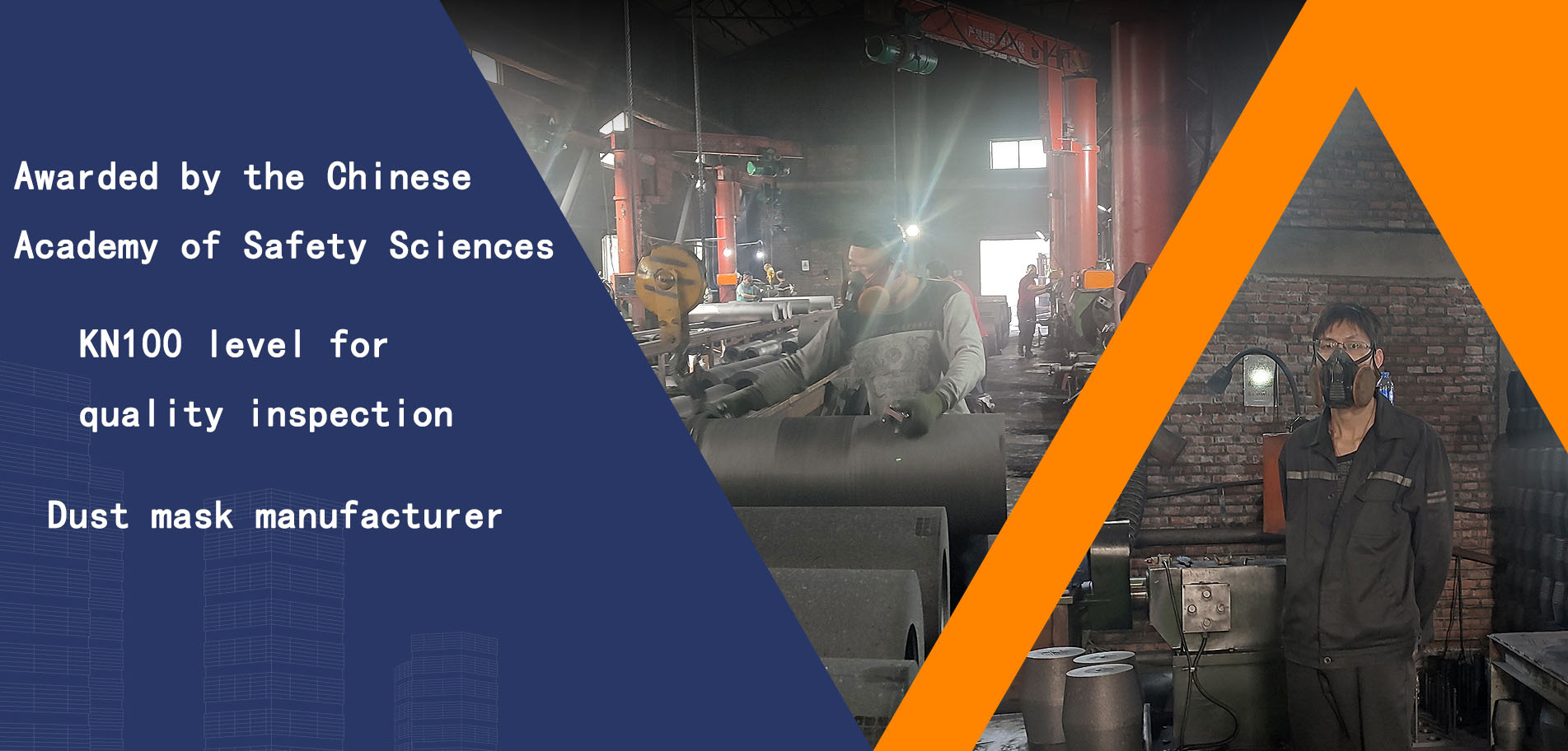
In the quartz sand workshop, it is common to see scenes where workers wear face masks around their necks and only hastily put them on during inspections by management personnel; Or the face mask is loosely fastened to the face, and the headband is not tightened. Wearing this' formalism 'in the face of high concentrations of silica dust is equivalent to being directly exposed to the risk of disease. The protective effect of dust masks is said to depend on the selection of three parts and the wearing of seven parts. Improper wearing will result in zero protective effectiveness.
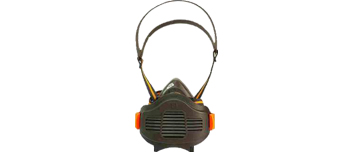
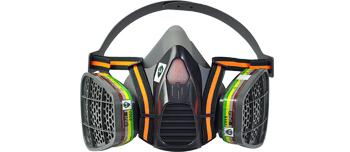
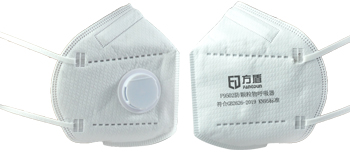
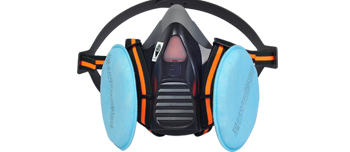
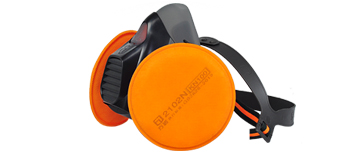
The correct wearing process should be as rigorous as soldiers wearing gas masks. Taking the most common Fangdun half mask as an example, it can be divided into four steps: "pre adjustment, wearing, adjustment, and testing".
The first step is to pre adjust the headband. First, relax the headband to its maximum length to create a natural curve for the mask body, making it easier to fit the lower jaw.
The second step is to wear it correctly. Insert the mask upwards from the lower jaw and completely wrap the chin in the "cup-shaped" structure of the mask. Key detail: The metal strip of the nose bridge of the mask should be tightly attached to both sides of the nose bridge. Then tighten the neck back strap and head strap separately, adjust the neck back strap (lower strap) first, and then adjust the head strap (upper strap), with moderate force, ensuring a tight fit without excessive compression causing discomfort.
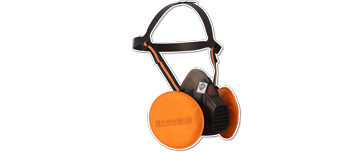
The third step is fine tuning. After adjusting the headband, use your fingertips to press the metal nose clip from both sides towards the center, shaping it into a nose bridge shape. Attention: It must be operated with both hands. If pinched with one hand, it is easy to form a triangular leak area on one side of the nose bridge. Ensure that the edge of the mask is in full contact with the facial skin, without any hair, beard, or clothing fibers getting caught. Research has shown that even a stubble of just 1 millimeter can lead to a significant increase in leakage rates.
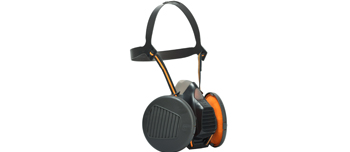
The fourth and most crucial step is the airtightness check after wearing. This is the only criterion for verifying whether the wearing is qualified. Common negative pressure leak detection: Use your palm to tightly block the air inlet of the mask and gently inhale deeply. If the mask can significantly collapse inward and tightly adhere to the face, and there is no "hissing" air leakage sound, it indicates good air tightness. On the contrary, if you feel airflow entering from both sides of the nose bridge, lower jaw, or cheeks, it indicates that the headband is too loose or the nose clip is not pressed properly. You need to readjust and retest until it is qualified.
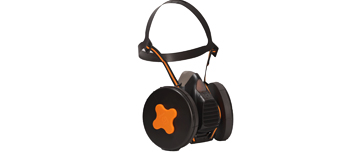
In practical assignments, attention should also be paid to dynamic airtightness. The labor intensity in the quartz sand workshop is high, and workers' facial muscles will move, their heads will twist, and even sweat when carrying and polishing. These dynamic factors may all damage the static seal. Therefore, after completing the wearing test, it is necessary to perform head turning, head lowering, head lifting, and simulated operation actions, repeat negative pressure leak detection, and ensure that the seal is still maintained during movement.
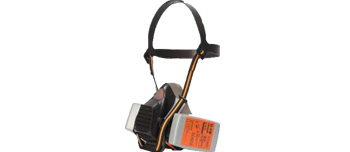
In addition, the usage boundary must be clearly defined: dust masks do not have oxygen supply function and are strictly prohibited from being used in oxygen deficient environments or when the concentration of harmful gases reaches an immediate threat to life or health (IDLH). If the dust concentration is extremely high, the half face mask may no longer provide sufficient protection and needs to be upgraded to an electric air supply full face mask or positive pressure respirator.
In short, wearing or not wearing a Fangdun dust mask is a world of difference, and wearing it "right" or "wrong" is equally related to life and death. Training on wearing methods must be implemented in every team, and airtightness inspection must be solidified as a mandatory action before starting work.