English
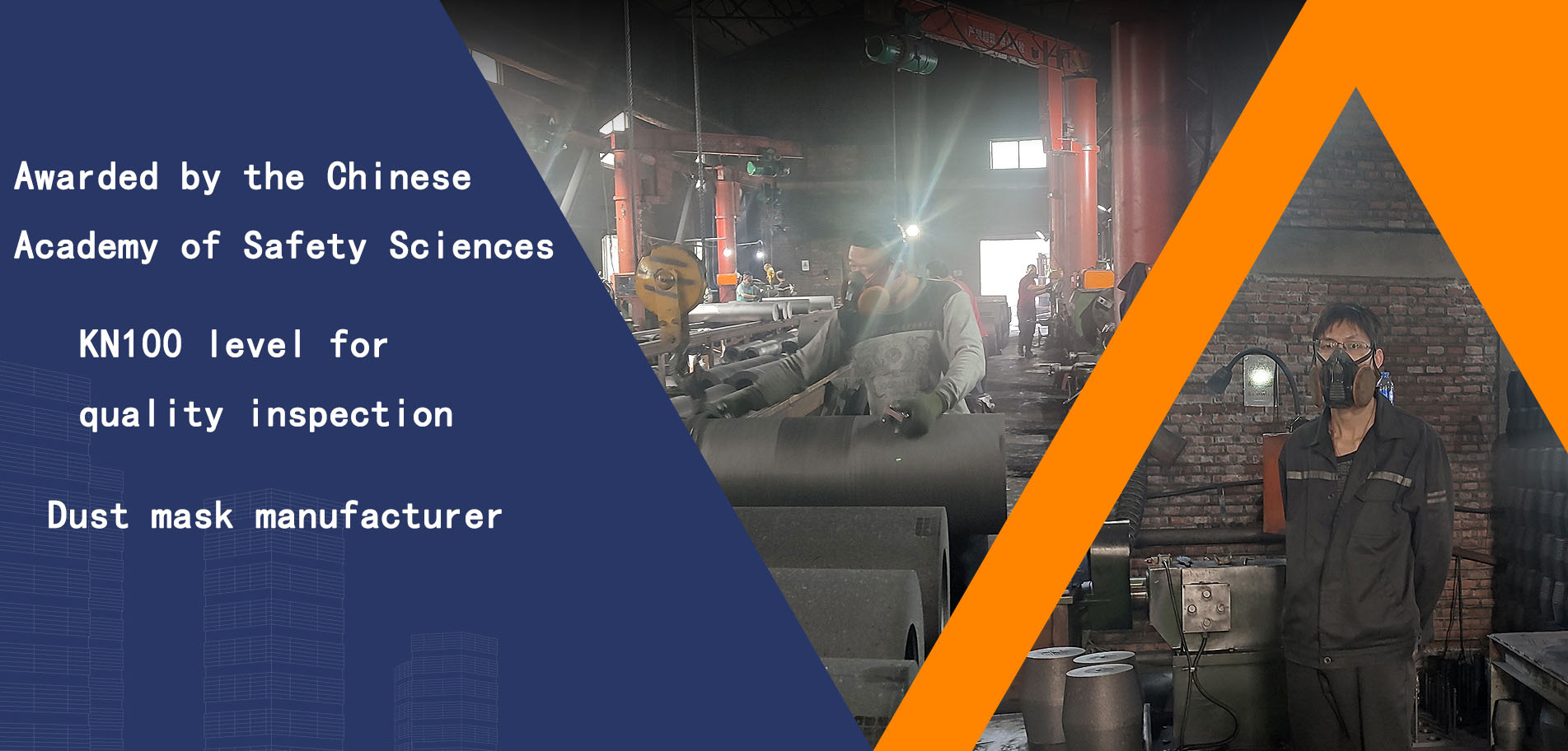
In quartz sand workshops, the lifespan of dust masks is often shorter than imagined. High concentration dust, mechanical vibration, sweat corrosion, and rough storage are all accelerating mask aging and failure. If only the purchase and distribution are valued, but maintenance and replacement management are ignored, the face mask may become a "psychological comfort product" instead of a "protective equipment". Establishing a scientific maintenance and replacement mechanism is the key to ensuring the long-term effectiveness of dust masks.
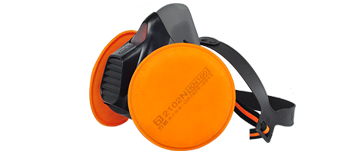
Filter cotton replacement: Don't wait until you feel suffocated before replacing.
Many workers judge the standard for replacing filter cotton as "breathing hard". This' feeling based 'approach is not advisable. When feeling significantly suffocated, it indicates that the dust holding capacity of the filter cotton has reached saturation and the respiratory resistance has significantly increased. At this point, not only will workers shorten their wearing time due to discomfort, but the high resistance will also increase the risk of mask edge leakage - as the gas will find the path of least resistance to enter, that is, the gap between the mask and the face.
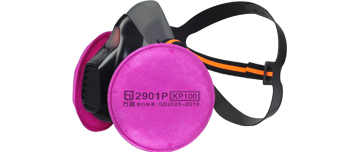
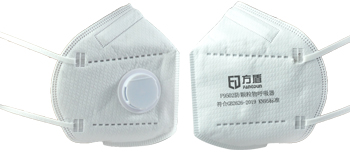
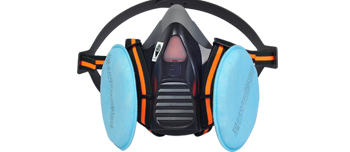
The correct approach is to establish a filter cotton replacement ledger. Based on the dust concentration in the working environment and the daily working hours, the theoretical usage time of the filter cotton is calculated. It is recommended to combine "regular replacement" with "on-demand replacement": for example, it is stipulated that the filter cotton should not be used for more than 3 working days, and workers are allowed to replace it in advance when respiratory resistance increases significantly. If the filter cotton is damaged, deformed or damp, it must be replaced immediately. It is strictly prohibited to reuse it after washing with water - washing with water will damage the electrostatic adsorption layer of the filter cotton, resulting in a cliff like decrease in filtration efficiency.
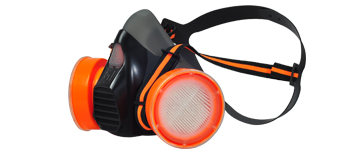
Fangdun mask body cleaning and disinfection: related to hygiene and lifespan.
The temperature in the quartz sand workshop is high, and the workers sweat a lot. The salt and oil in sweat can corrode the silicone or rubber mask body, causing it to harden, crack, lose elasticity, and damage the sealing. Long term uncleanliness of the mask can easily breed bacteria inside, causing facial skin inflammation and leading workers to resist wearing it due to discomfort.
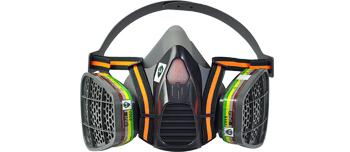
Face mask cleaning should be done once a day. After work, dismantle the face mask (remove the filter cotton, filter box, and exhalation valve plate), use neutral cleaner and soft bristled brush to clean the main body and headband, and focus on cleaning the sealed skirt edge that comes into contact with the skin. After cleaning, rinse with clean water and place in a clean, dry, and dust-free environment for natural shade drying. It is strictly prohibited to expose to direct sunlight or blow dry with hot air to prevent material aging. The exhalation valve plate is a vulnerable part, and after cleaning, it should be checked whether it is flat and can tightly cover the valve seat, otherwise it must be replaced.
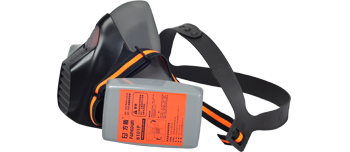
Daily inspection and storage: Extend service life.
Before each wearing, it is important to develop a habit of quickly checking whether the headband has lost its elasticity; Is the metal nose clip loose; Check for any minor cracks in the mask body; Whether the filter cotton is damaged or installed properly. Especially for the full face mask, it is necessary to check whether the screen is scratched or blurred.
The storage process is equally crucial. A common mistake is to casually throw the face mask on the workbench or hang it on the wall to accumulate dust. The correct approach is to equip each worker with a dust-proof storage box, and after cleaning after work, put the face mask into the box to avoid exposure to the settling dust in the workshop. When not in use for a long time, the filter cotton should be removed from the mask and sealed for storage to prevent the adsorption of harmful substances in the environment.
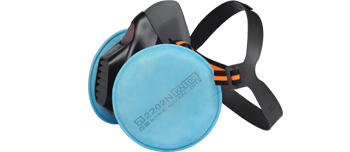
Scrap standard: Break when broken.
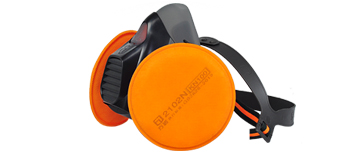
If the following situations occur, the mask body must be forcibly scrapped: cracks, perforations, or permanent deformation of the mask body; Headband breakage or loss of elasticity due to aging, unable to provide sufficient tension; The exhalation valve plate is damaged, lost, or unable to seal; The full face screen is severely scratched, yellowed, or has "silver lines" that cause blurred vision.
In short, the management of dust masks is a dynamic and continuous process that requires institutional safeguards from the enterprise and conscious maintenance by workers. Only when all three aspects of "selection, wearing, and maintenance" are in place, can dust masks truly serve as a solid defense line to protect occupational health in the quartz sand workshop.