English
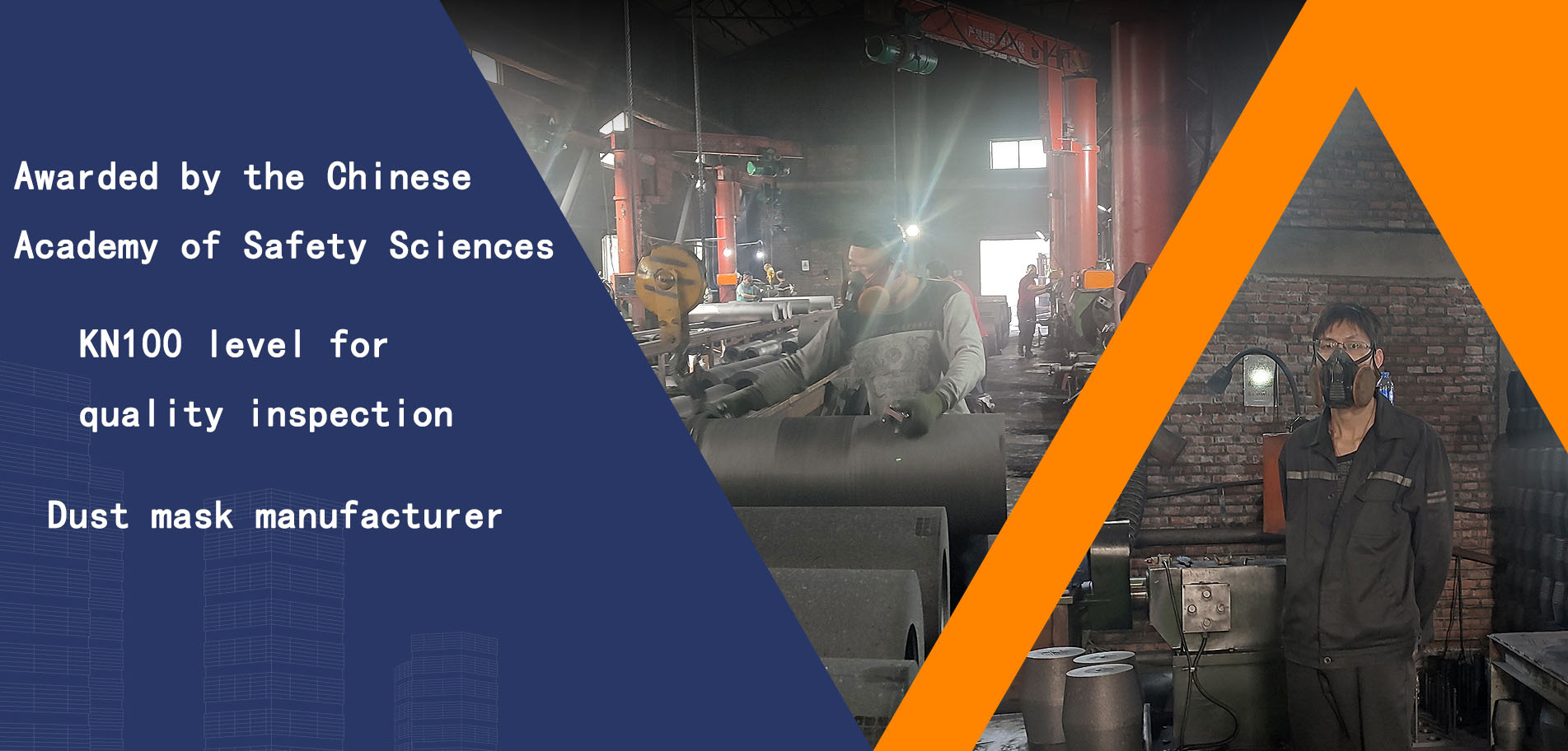
Dust is the main occupational hazard factor in the production environment of cement plants. From raw material crushing, grinding to finished product packaging, a large amount of fine dust is generated at each stage, among which respiratory dust with a particle size of less than 5 microns accounts for a very high proportion. Once these dust particles are inhaled for a long time, they will deposit in the alveoli, damage lung tissue, and cause irreversible respiratory diseases such as pneumoconiosis.
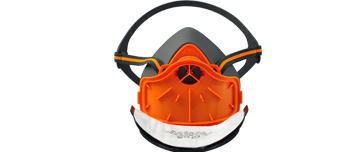
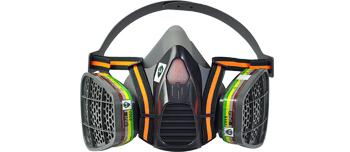
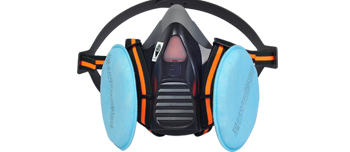
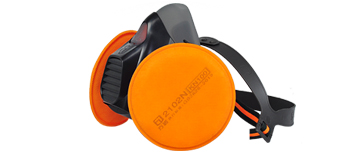
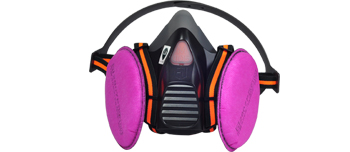
Therefore, the correct selection and wearing of protective dust masks is the core defense line for cement plant workers to protect their respiratory health. According to the national standard GB2626-2019, cement plants should prioritize selecting KN100 or KP100 dust masks with a filtration efficiency of ≥ 99.97%. This type of mask can effectively filter particles larger than 0.075 microns, far exceeding the protection standard of KN95 masks. The types of face masks can be divided into half face masks and full face masks: half face masks are lightweight and flexible, suitable for low to medium concentration dust environments; The full face hood has better sealing performance and can also protect the eyes, making it suitable for high concentration dust areas.
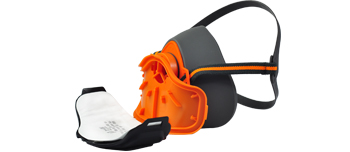
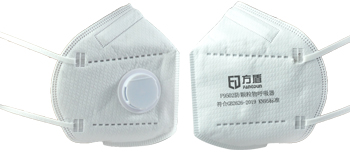
Special attention should be paid that dust masks are only suitable for environments with an oxygen content of ≥ 19%. If in a scenario of oxygen deficiency or toxic gas exceeding the standard, a positive pressure air respirator must be used instead. The airtightness check before wearing is crucial. After wearing the mask, block the air intake with your hand and inhale forcefully. If the Fangdun mask is tightly attached to your face and there is no air leakage, it indicates good air tightness.
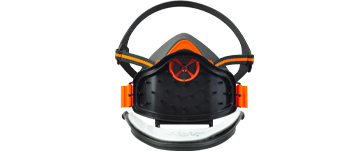
In daily use, avoid pinching the nose clip with one hand and use both hands to press and shape it from the middle to both sides to prevent air leakage. Filter cotton is a consumable item that needs to be replaced immediately when it turns black, has significantly increased respiratory resistance, or is contaminated. Generally, the cumulative use should not exceed 8 hours. The reusable mask body needs to be wiped with alcohol to seal the ring every week and kept by a dedicated person to avoid cross contamination.
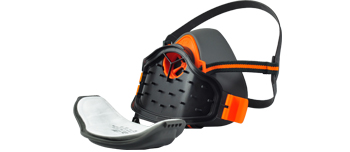
In addition to respiratory protection, it is also necessary to equip with fully sealed dust-proof goggles, integrated dust-proof clothing, and other equipment to form comprehensive protection. It is strictly prohibited to blow work clothes with compressed air to prevent dust from flying again. Only by combining the correct protective equipment with standardized operating habits can we truly build a barrier for the respiratory health of cement plant workers and keep them away from occupational hazards.