English
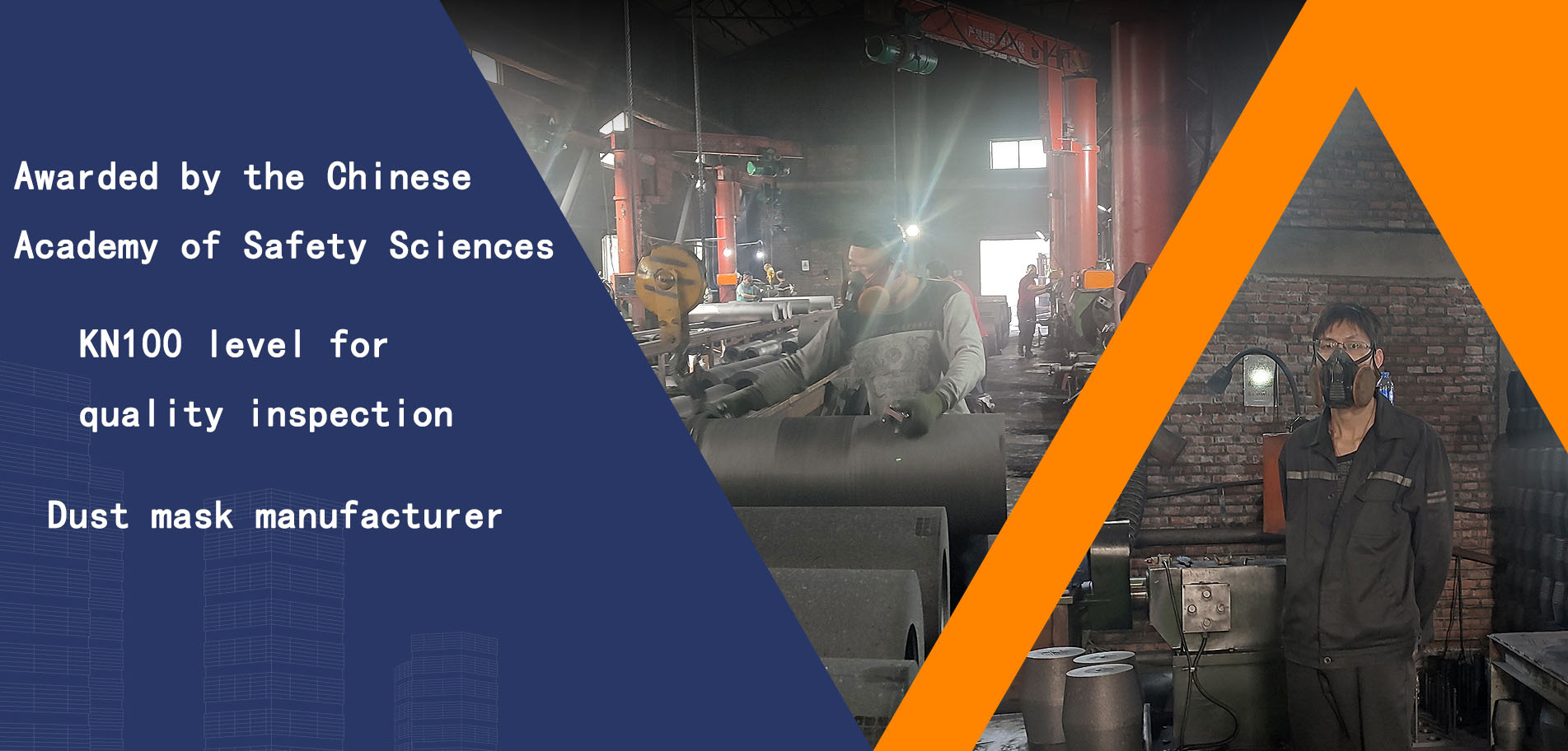
Coal workers are exposed to high dust environments for a long time, and choosing appropriate dust masks is directly related to their occupational health. Faced with numerous protective products, it is necessary to comprehensively consider aspects such as protection level, fit, and comfort.
Protection level is the primary consideration
Coal mine dust contains a large amount of free silica, which can lead to pneumoconiosis if inhaled for a long time. China categorizes particulate matter masks into three levels: KN90, KN95, and KN100, with filtration efficiencies of 90%, 95%, and 99.97%, respectively. For coal mine environments, it is recommended to choose at least KN95 and above grades. KN100 has the best protective effect, but it has high respiratory resistance and is not suitable for long-term wear during heavy physical labor. Workers can flexibly choose according to the intensity of the operation and dust concentration.
The sealing determines the actual effect
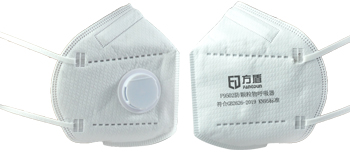
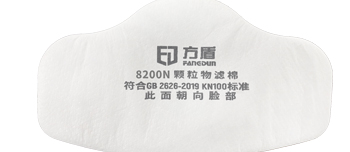
If there is air leakage at the edge of the mask, even the highest filtration efficiency is meaningless. Priority should be given to bowl shaped or foldable masks with three-dimensional cutting, as these products can better fit the facial contours. After purchase, it is necessary to conduct a tightness check: cover the mask with both hands and exhale to feel if there is any air leakage at the edges; The mask should be visibly recessed during inhalation. It is recommended for workers with beards to shave before starting work, otherwise it will damage the fit.
Respiratory resistance and comfort
Coal workers have high labor intensity, and high respiratory resistance of masks can cause workers to pull off their masks, completely losing protection. It is recommended to choose products with exhalation valves that can quickly release humid and hot gases, improving the comfort of long-term wear. At the same time, pay attention to the inspiratory resistance index, which is stipulated by the national standard not to exceed 350 Pa, and the lower the value, the more comfortable it is.
Proper use and regular replacement
Wash your hands thoroughly before wearing a mask. When wearing, ensure that the nose clip fits snugly against the bridge of the nose and the headband is moderately elastic. Replace the mask immediately if it has been used for about 8 hours or if there is a significant increase in respiratory resistance or if the mask is deformed or damaged. Do not wash with water or use repeatedly, as washing with water can damage the electrostatic adsorption layer of the filter material, resulting in a significant decrease in filtration efficiency.
Additional considerations for special working conditions
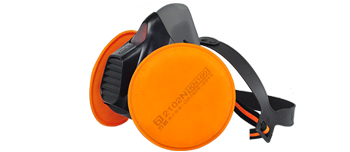
For positions with extremely high dust concentration such as coal mining machine drivers and anchor sprayers, relying solely on self-priming filter masks may not be enough. It is recommended to equip them with air supply dust masks. This type of device sends filtered air into the mask through a fan, with almost zero respiratory resistance and a higher level of protection.