English
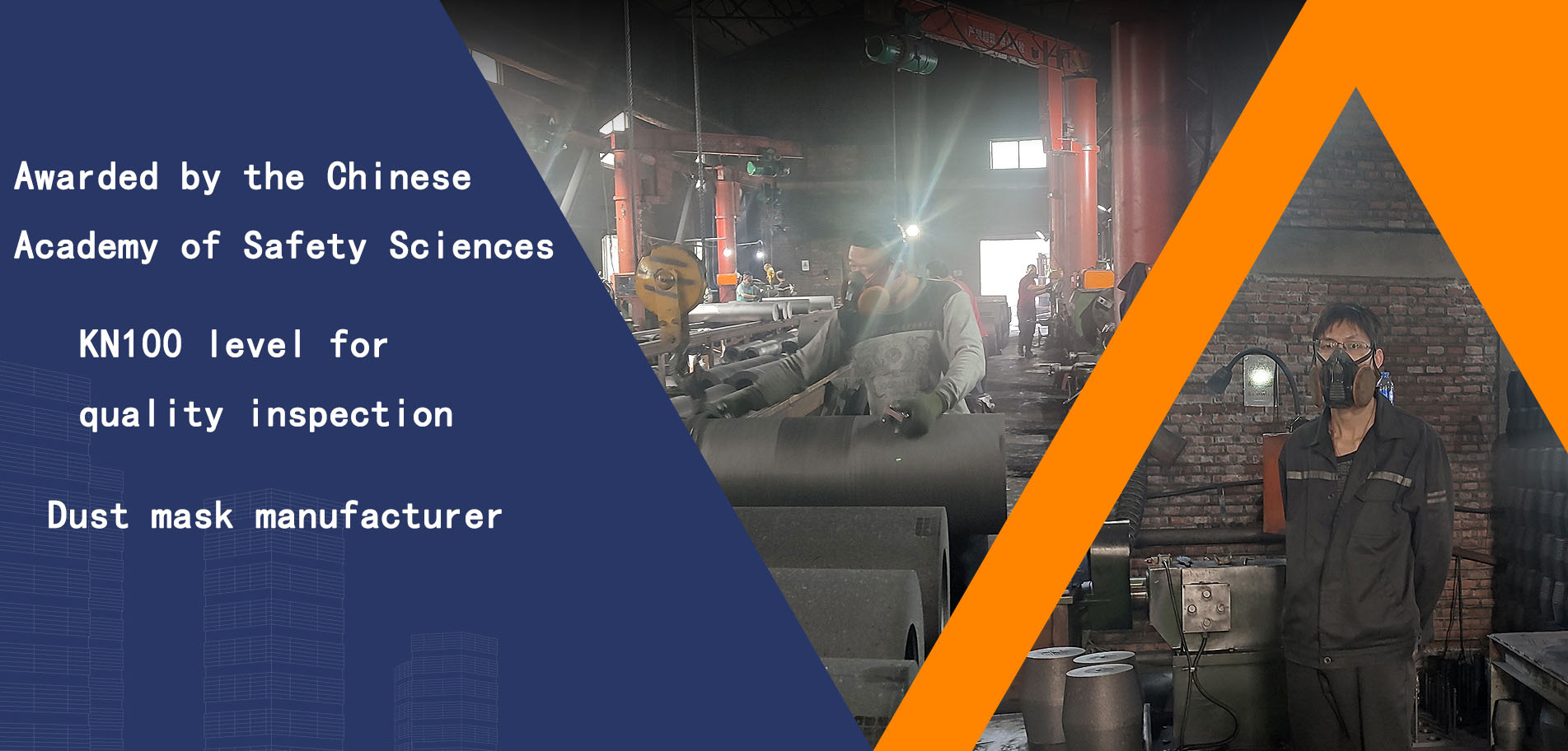
In mechanical processing, construction, chemical experiments, and many outdoor work scenarios, the face is one of the most vulnerable parts to accidental injuries. Splashing metal debris, high-speed rotating grinding wheel particles, corrosive liquid spills, strong light and high-temperature radiation... These potential dangers are everywhere. And the protective mask is a solid barrier designed to address these risks.
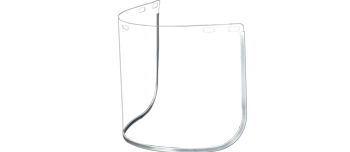
The basic structure of a protective face mask usually consists of a high-strength transparent window and an adjustable headband or bracket. Fangdun materials have both high transparency and excellent impact resistance. When the grinding wheel accidentally cracks or cutting iron chips fly out at high speed, a qualified mask window can effectively block the fragments from directly hitting the eye and nose areas, minimizing damage. At the same time, the coverage of the face mask far exceeds that of ordinary goggles, which can protect the forehead, cheeks, and jaw at the same time, filling the protective blind spot of the goggles.
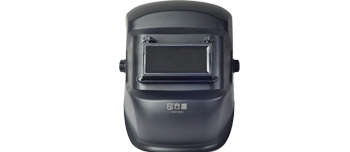
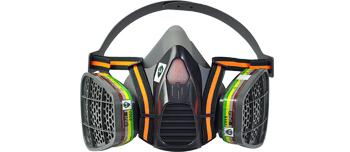
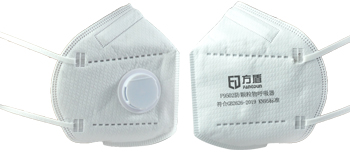
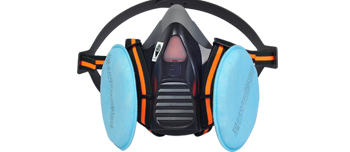
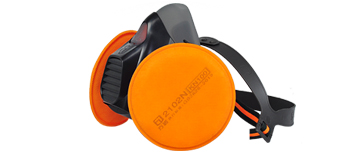
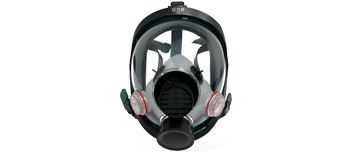
According to different usage scenarios, protective masks can be subdivided into multiple types. In metal processing and welding operations, face shields with filters are often used to block infrared and ultraviolet rays, preventing arc light from burning facial skin and eyes. In chemical operations or laboratories, a full face chemical mask can be used in combination with a gas mask to prevent accidental splashing of acid or organic solvents onto the face and avoid chemical burns. In ordinary construction, woodworking, or cleaning operations, lightweight dust-proof and particle proof Fangdun face shields can block physical stimuli such as dust and gravel, improving work comfort.
It should be emphasized that protective masks are not omnipotent. When dealing with high-speed jets or large mass falling objects, it still needs to form a complete personal protective system with safety helmets, earmuffs, protective gloves, etc. Meanwhile, face masks cannot replace dust masks or respirators - particulate matter may still enter the mouth and nose through the gap between the bottom of the mask and the neck. Therefore, in dusty or harmful gas environments, the face mask should be used in conjunction with a qualified filtering respirator to truly achieve foolproof results.
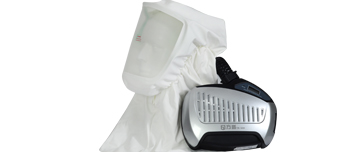
A high-quality protective face mask, weighing only a few hundred grams, can defend the appearance and vision of the worker in a critical moment. Choosing the appropriate mask type for the scene and developing the habit of "checking first, wearing later, and then working" is the most basic responsibility for oneself.