English

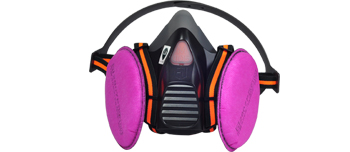
In scenarios such as industrial dust removal, laboratory ventilation, and cleanroom maintenance, Fangdun's visible observation window with a dust filter box is increasingly becoming a common configuration for equipment upgrades. It ingeniously combines dust filtration functionality with visual monitoring, providing maintenance personnel with a "window to see the internal state" without compromising the system's sealing integrity.
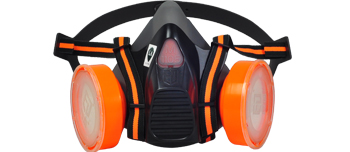
Traditional dust filter boxes are mostly of a sealed structure, making it difficult to visually assess the contamination level of the internal filter element. Maintenance personnel often rely on experience to set replacement cycles, either scrapping the filter prematurely before saturation is reached, resulting in waste, or failing to detect excessive dust accumulation until it causes reduced suction or even motor overload. In contrast, dust filter boxes with a visible inspection window incorporate a high-strength transparent panel, typically made of tempered glass or impact-resistant engineering plastic, embedded in the front of the box. This design ensures airtightness while allowing real-time observation of dust accumulation on the filter surface.
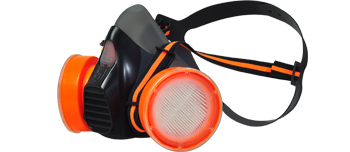
The direct benefit of this design is improved maintenance efficiency. Staff can quickly assess whether the filter element needs cleaning or replacement by simply glancing through the observation window, eliminating the need for disassembly. Particularly in environments with fluctuating dust concentrations, visualization shifts maintenance from "scheduled blind replacement" to "demand-based handling," significantly reducing consumable costs and equipment downtime.
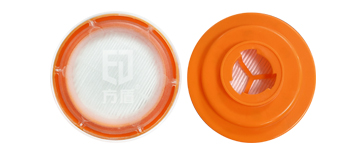
The observation window area often incorporates airflow design optimizations. Some dust filters feature flow-directing structures on the inner side of the transparent panel, ensuring uniform dust-laden airflow across the filter element surface to prevent localized clogging. This also reduces dust adhesion on the observation window's interior walls, maintaining clear visibility. Certain models additionally include dust-resistant brushes or purge ports along the window edges to further prevent contamination and extend the effective observation cycle.
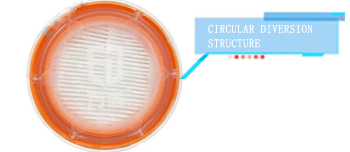
With the advancement of intelligent management, some new dust filter boxes have begun integrating optical sensors near the observation window, upgrading "human eye observation" to "automatic recognition." However, even so, the physical visible window remains an irreplaceable basic configuration—it serves as both the basis for manual review and a direct reflection of transparent equipment management. In the modern industrial environment that prioritizes efficiency, energy conservation, and safety, this small "window" is becoming an indispensable detail highlight in the dust filtration system.