English
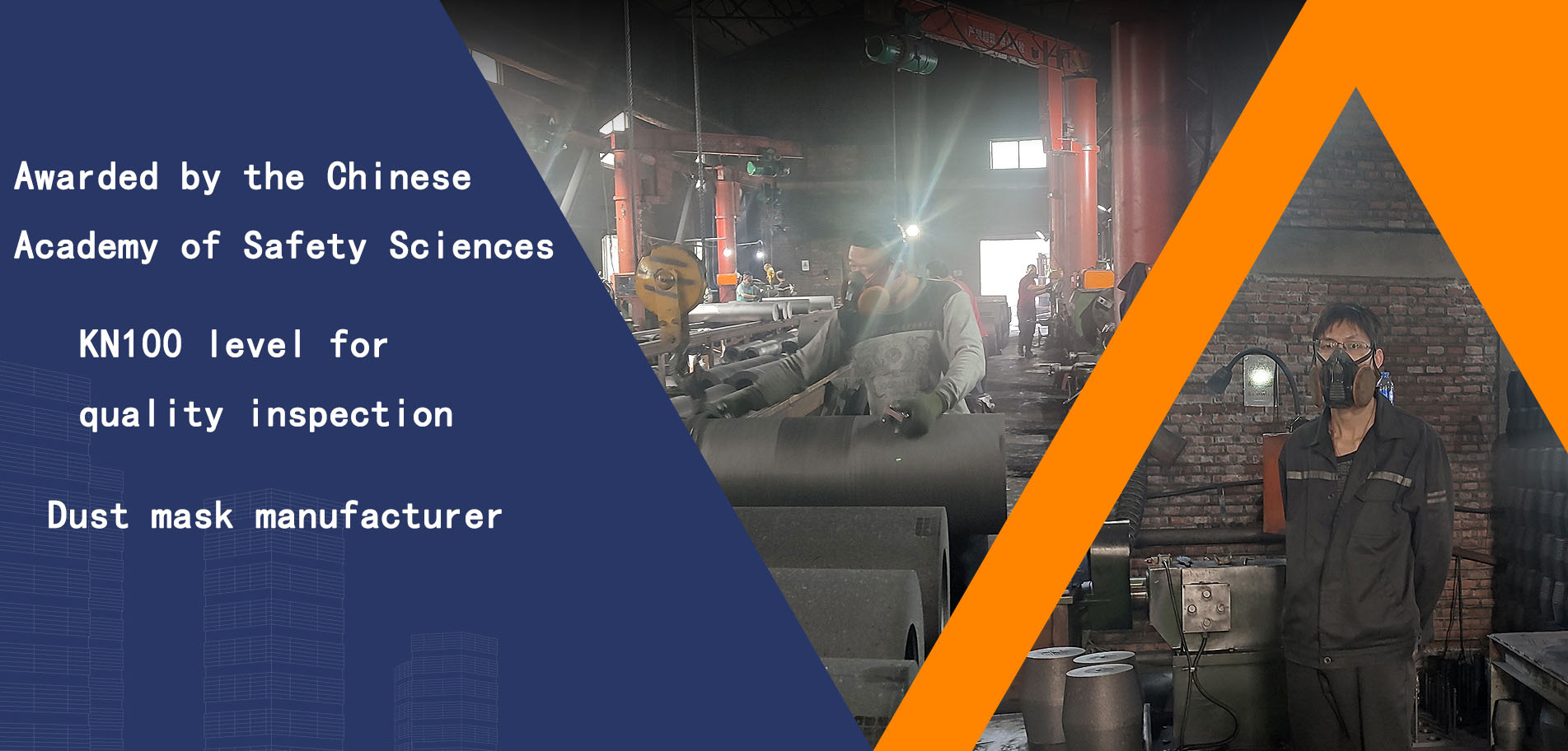
The key to respiratory protection is to match the protective power of masks with the actual level of risk in the environment. Facing different situations, choosing the right mask can not only protect oneself, but also avoid the stuffiness and discomfort caused by excessive protection.
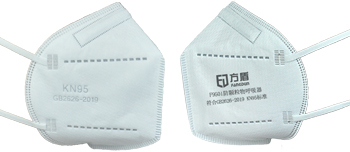
The environmental risk is relatively low during daily commuting, shopping, or walking in the park. At this time, the common pollutants in the air are mainly pollen, dust, and ordinary droplets. Choose a disposable flat mask, which can block most large particle droplets and dust, has good breathability, is suitable for long-term wear, and is more than sufficient for daily life.
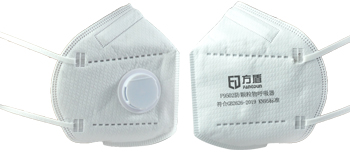
When you need to go to and from hospital clinics, take long-distance flights or high-speed trains, or are in a crowded area during a flu outbreak, the risk level increases accordingly. At this point, it is necessary to choose an efficient protective mask with an electrostatic filter layer, which is commonly referred to as an "N95 level" cup or folding mask. The biggest feature of this type of mask is its good facial tightness, which can firmly fit the face shape, effectively block small aerosol particles, and greatly reduce the risk of respiratory infectious diseases.
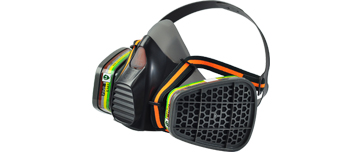
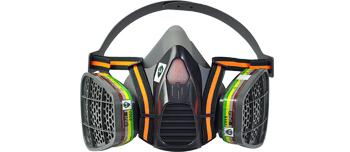
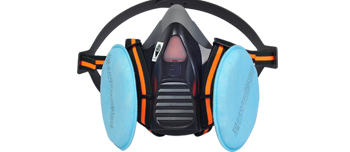
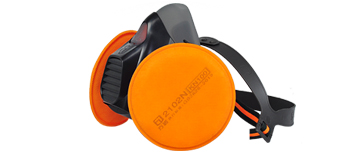
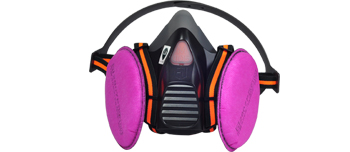
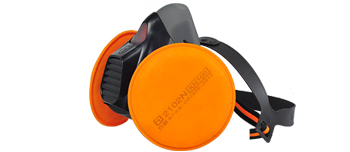
For people engaged in decoration, carpentry, cleaning, or mining operations, the working environment is filled with a large amount of dust, sawdust, or metal smoke. Ordinary flat masks are completely unable to resist these inhalable particles, and professional anti particle respirators must be selected. This type of mask is usually designed to be thicker and equipped with a breathing valve to reduce stuffiness, specifically designed to filter non oily industrial dust and prevent the occurrence of pneumoconiosis. If you come into contact with toxic vapors such as paint smell and pesticides during work, you cannot rely solely on masks. You must use gas masks equipped with Fangdun filter cartridges.
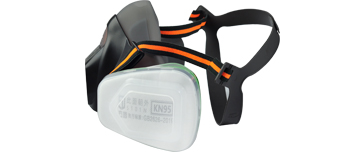
Finally, remember that no matter which type of mask you choose, the protective effect is based on a tight fit. When wearing, pinch the nose clip tightly to ensure there are no gaps or air leaks. Once the mask becomes damp, dirty, or used for a certain period of time, it should be replaced immediately. Scientific selection and standardized wearing are essential to truly safeguard our respiratory health.