English
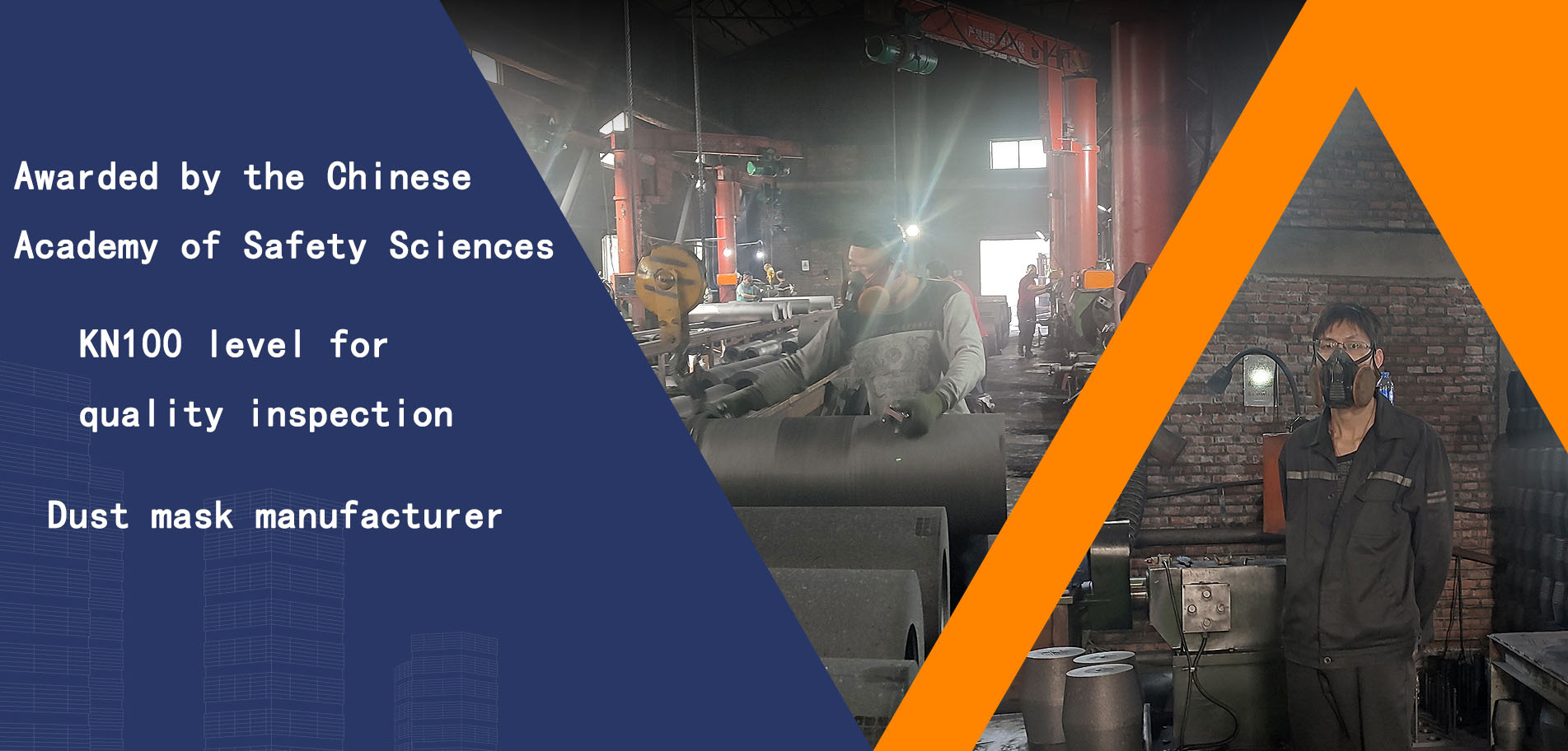
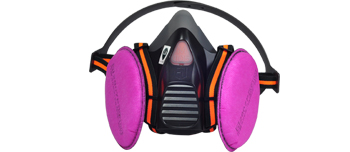
In daily life, dust not only affects environmental cleanliness, but also poses a potential threat to respiratory health. Scientific understanding of dust levels and proper wearing of masks are key to safeguarding respiratory health.
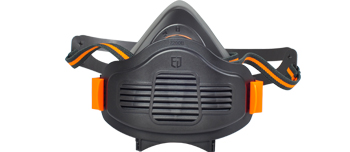
From the perspective of particle size, dust is mainly classified into different levels. Among them, coarse particles with a diameter greater than 10 microns are mostly blocked by nasal villi; Fine particles with a diameter of less than 10 microns (PM10) or even less than 2.5 microns (PM2.5) can penetrate the human respiratory defense line, directly reaching the bronchi and even alveoli. Long term inhalation can easily cause coughing, chest tightness, and even increase the risk of chronic diseases such as pneumoconiosis.
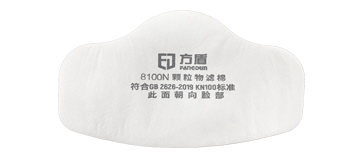
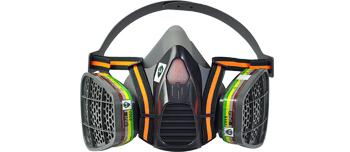
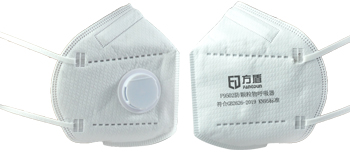
When facing different levels of dust, choosing a mask must comply with the national mandatory standard GB 2626-2019. According to filtration efficiency, dust masks are divided into three levels: KN90, KN95, and KN100. KN90 is sufficient for daily commuting to prevent haze or mild dust; In moderate dust environments such as construction sites and stone polishing, KN95 masks with a filtration efficiency of ≥ 95% should be selected; If you are in a heavily polluted environment such as a mine or high concentration dust, you must wear a FangdunKN100 mask with a filtration efficiency of up to 99.97% to effectively block the inhalation of ultrafine dust.
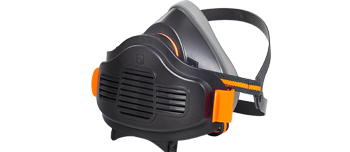
Choosing the right mask is just the first step, wearing it correctly is equally important. Firstly, ordinary cotton masks and medical surgical masks cannot effectively block fine dust and cannot replace professional dust masks. Secondly, when wearing, the metal nose clip should be pressed tightly against the bridge of the nose to ensure that the edge of the mask fits snugly with the face. After wearing, a simple tightness test can be performed: cover the mask with both hands and exhale or inhale quickly. If you feel airflow leaking from the nose bridge or cheeks, it indicates poor tightness and needs to be readjusted or replaced. In addition, the filter layer of dust masks relies on electrostatic adsorption and is strictly prohibited from being washed with water. When there is a significant increase in respiratory resistance, a damaged or dirty mask, it should be replaced in a timely manner to ensure that the protection is always effective.