English
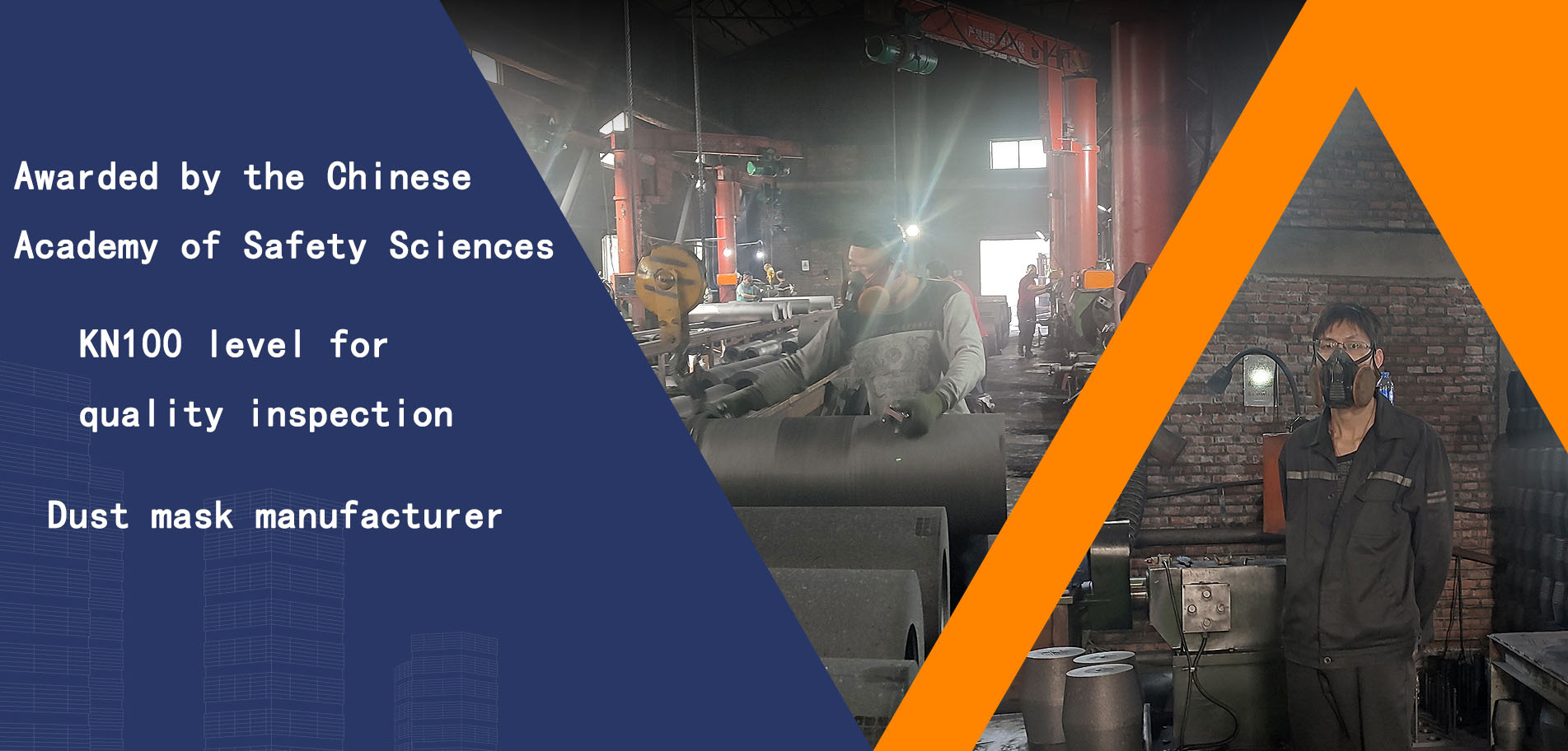
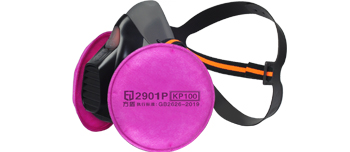
In work environments involving gases, vapors, or dust, the filter cartridge serves as the core filtering element of respiratory protective masks, mainly used to filter specific harmful gases and some particulate matter in the air. It should be clarified that the filter box is not a universal product, and different models correspond to different protective objects. Before selecting, it is necessary to understand the possible harmful substances on site.
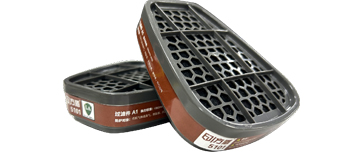
According to the common classification of national standard GB 2890-2009, Fangdun filter cartridges can be roughly divided into the following categories:
5101 (A1): Organic gases or vapors, such as benzene, carbon tetrachloride, nitrobenzene, cyclohexane, etc;
5103 (E1): Sulfur dioxide and other acidic gases or vapors;
5105 (K1): Ammonia and its organic derivatives;
5106 (CO1): Carbon monoxide;
5107 (A1B1E1K1): Organic vapors or inorganic gases, chlorine gas, chlorine dioxide, cyanide chloride, sulfur dioxide, hydrogen fluoride, hydrogen sulfide, ammonia gas, methylamine, formaldehyde;
5108 (A1E1): Organic gases or vapors, sulfur dioxide, and other acidic gases or vapors;
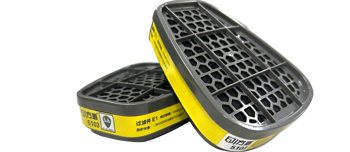
Some filter cartridges use composite formulas, labeled as A1B1E1K1, etc., indicating that they can simultaneously protect against multiple types of gases under certain conditions. However, the adsorption capacity of the composite filter cartridge is limited, and when multiple gases are present simultaneously, the protection time may be shortened due to adsorption competition. Therefore, timely replacement should be taken into account during use.
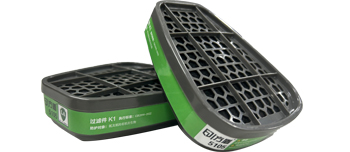
When making a purchase, you can pay attention to the nominal protection time and applicable concentration range. The protection time is a reference value measured under specific concentration, temperature, humidity, and respiratory rate conditions in the laboratory. In actual working environments, an increase in temperature, humidity, or labor intensity may shorten the protection time. The filter box cannot be used in hypoxic environments. When the concentration of harmful gases exceeds a certain range, a gas supplied respiratory protective device should be used instead.
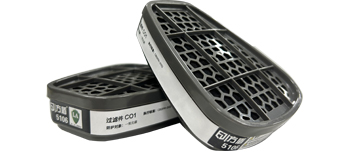
Practical suggestion: Choose the type of filter box based on the on-site occupational hazard factor detection report, and do not judge whether it is ineffective solely based on odor. During installation, confirm that it matches the mask interface and tighten it tightly. When not in use, seal and store it to prevent the filter box from continuously adsorbing impurities in the air and shortening its service life.
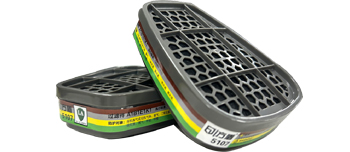
Overall, the protection range of Fangdun filter cartridges depends on the model. Correctly identifying specific harmful substances in the work environment, matching appropriate types of filter cartridges, and paying attention to replacement cycles are necessary to achieve the desired protective effect.