English
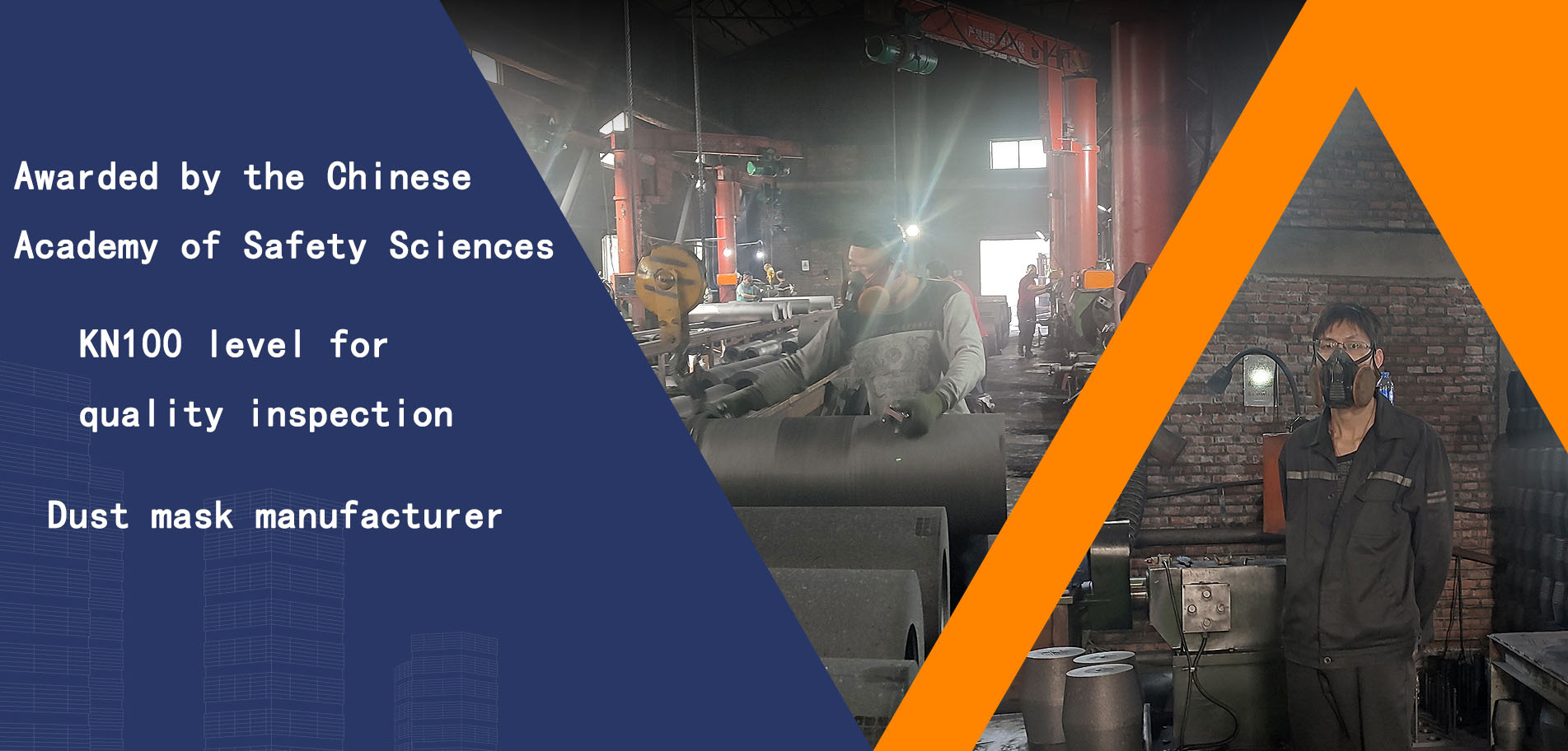
In coal mine working environments, dust is one of the major hazards threatening the respiratory health of workers. Long-term inhalation of coal dust may lead to severe occupational diseases such as pneumoconiosis. As a frontline protective equipment, the scientific selection of dust masks is directly related to the protective effect. Different from the dust protection needs in ordinary environments, coal mine dust is characterized by high concentration, fine particles, and containing free silica. Therefore, professionality, applicability and safety should be taken into account when selecting dust masks. The following are the specific selection points.
I. Prioritize Protection Level to Match the Characteristics of Coal Mine Dust
The protection level is the core indicator of a dust mask, which directly determines its dust filtering capacity. Coal mine dust not only contains coal dust particles but may also be mixed with rock dust. Some particles are as small as micrometers in diameter, which can easily penetrate ordinary protective equipment. Currently, the commonly used domestic standard for the protection level of dust masks is GB2626-2019 "Respiratory Protection - Self-priming Filtering Particle Respirators". Among them, the protection levels for dust are mainly divided into two categories: KN and KP. Special attention should be paid to the KN series for coal mine operations.
The KN series masks are classified into three levels (KN90, KN95, and KN100) based on their filtering efficiency, which represent a filtering efficiency of no less than 90%, 95%, and 99.97% for non-oily particles respectively. Considering the high dust concentration in core coal mine processes such as tunneling and coal mining, it is recommended to prioritize masks with KN95 or higher levels. For working environments with extremely high dust concentration (such as after blasting and in fully mechanized mining faces), KN100 level masks should be used to achieve more comprehensive protection. It should be noted that some masks marked with "N95" and "N100" follow American standards, and their protective effects correspond to the domestic KN series, which can be used as a reference. However, it is necessary to ensure that the products have passed the certification of relevant domestic standards.
II. Focus on Fit and Sealing to Avoid Dust Leakage
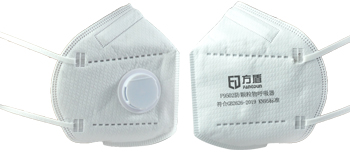
Even if a mask meets the required protection level, if it does not fit tightly on the face, dust will still enter through the gaps, resulting in ineffective protection. Workers in coal mines need to move frequently, so the fit and stability of the mask are particularly important. When selecting a mask, attention should first be paid to its design style, with common types including cup-shaped, foldable, and duck-bill-shaped. Cup-shaped masks have a strong three-dimensional structure, which can better fit the facial contour and reduce gaps, making them more suitable for workers with wider facial contours or beards. Foldable masks are portable, but their fit depends relatively on the wearing method, making them suitable for people with regular facial contours.
It is recommended to try on the mask when purchasing, focusing on checking the fit between the mask edges and the bridge of the nose, cheeks, and chin to ensure there are no obvious gaps. At the same time, the nose clip design of the mask is also crucial. It is advisable to choose adjustable metal or malleable nose clips, which can be pressed and shaped to fit tightly against the bridge of the nose, preventing dust from leaking above the nose. In addition, some masks are equipped with double or multiple headbands, which can enhance the fit by adjusting the tightness, avoiding ineffective protection caused by mask displacement during work.
III. Consider Breathing Resistance and Comfort for Long-Term Wearing
Coal mine work is mostly physical labor, and workers need to wear masks for a long time. If the breathing resistance is too high, it will not only cause discomfort such as chest tightness and shortness of breath but may also induce workers to take off the masks without permission, thereby increasing health risks. Therefore, on the premise of ensuring the protection level, it is necessary to focus on the breathing resistance index of the mask.
Breathing resistance is closely related to the filter material and structural design of the mask. High-quality dust masks adopt high-efficiency and low-resistance filter materials, which can improve the filtering efficiency while reducing air flow resistance. Some masks are designed with double valves or multiple ventilation holes, which can reduce breathing resistance by optimizing the air flow channel. When purchasing, you can check the "inhalation resistance" and "exhalation resistance" data in the product test report. Generally speaking, under standard test conditions, masks with an inhalation resistance of no more than 350Pa and an exhalation resistance of no more than 250Pa are more comfortable for long-term wearing.
In addition, the material of the mask also affects wearing comfort. The inner lining in contact with the face should be made of soft and skin-friendly non-woven fabric to avoid redness and allergies caused by friction. The headband is recommended to be made of material with good elasticity and not easy to loosen, so as to reduce the pressure on the head and ears. For situations where continuous wearing is required for more than 8 hours, styles with better air permeability can be prioritized to balance the protective effect and wearing experience.
IV. Confirm Product Compliance and Reject "Three-No" Products
Dust masks are classified as special labor protection products, and their production and sales must comply with relevant national standards. The products must have complete identification information and certification qualifications. When selecting, first of all, check whether the mask packaging clearly indicates the manufacturer's name, address, contact information, product model, protection level, executive standard number (such as GB2626-2019), production date, shelf life and other information, and avoid purchasing unmarked "three-no" products (products with no manufacturer, no production date, and no quality certification).
At the same time, the certification information of the product can be inquired through the official platform of the relevant national regulatory authorities to confirm whether it has passed the Compulsory Product Certification (CCC certification, which is required for some types of masks) or meets the safety mark management requirements for labor protection products. The filter materials and production processes of regular products have undergone strict testing, which can ensure stable protective effects in complex coal mine environments. However, "three-no" products often have problems such as substandard filtering efficiency and poor materials, which cannot provide effective protection.
V. Adjust According to Working Scenarios and Take Special Needs into Account
There are differences in dust concentration and working methods in different coal mine working scenarios, so the selection of masks should be adjusted accordingly. For example, in scenarios with extremely high dust concentration such as underground tunneling and blasting, in addition to selecting masks with high protection levels, styles with exhalation valves can also be considered to reduce exhalation resistance and improve comfort. For positions that need to wear other equipment such as safety helmets and goggles, masks with good compatibility with these equipment should be selected to avoid mutual interference affecting the protective effect or work operation.
In addition, workers with sensitive facial skin or underlying respiratory diseases should be more cautious when selecting masks. They can prioritize masks with medical-grade skin-friendly linings or consult professionals to recommend suitable products, so as to ensure protection while reducing the risk of physical discomfort.
In conclusion, the selection of dust masks for coal mines is an important work related to health and safety. It is necessary to comprehensively consider the protection level, fit, comfort and compliance to avoid blind purchase. At the same time, attention should also be paid to the correct wearing method and replacement frequency of the mask (it is generally recommended that the cumulative wearing time should not exceed 8 hours, and the mask should be replaced immediately if it becomes damp, dirty, damaged or the breathing resistance increases significantly). Only by combining scientific selection with standardized use can a reliable respiratory protection barrier be built for coal mine workers.