English
During home renovation or construction work, sanding materials like walls, wood, or metal generates a large amount of dust and fine particles. These airborne particles not only pollute the environment but also pose a direct threat to health when inhaled. Long-term or excessive inhalation can lead to respiratory discomfort, allergies, and even occupational diseases such as pneumoconiosis. Therefore, choosing the right protective mask is crucial.
Ordinary cloth masks or disposable medical masks offer almost no effective protection against the dust produced by sanding. Their larger gaps cannot block micron-sized dust particles. They are primarily designed to block droplets or larger dust particles and are not suitable for construction sanding scenarios.
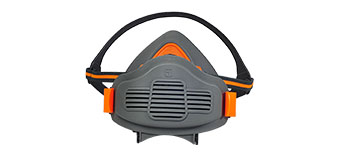
Professional protection requires selecting masks that meet particulate filtration standards. The following two types are common choices:
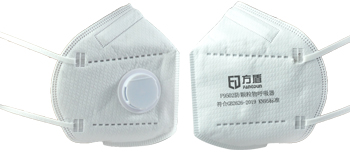
1. **KN95/N95 Respirators**
This is a widely used and recommended option. They efficiently filter non-oily particulate matter and provide good protection against dust, pollen, and other particles generated during sanding, with a filtration efficiency of at least 95%. They offer a better seal and can fit closely to the face, reducing leakage. For general home renovation or shorter-duration sanding tasks, this type of mask usually provides sufficient protection.
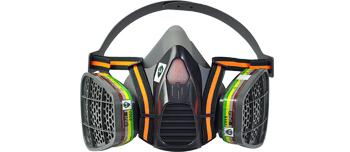
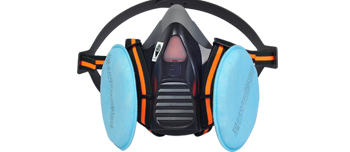
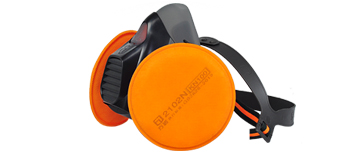
2. **Reusable Half-face Respirators with Replaceable Filters**
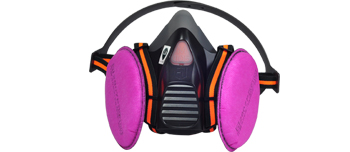
If the sanding work is extensive, prolonged, or takes place in an environment with particularly high dust concentration, consider using a half-face respirator equipped with replaceable filters. The body of such respirators is typically made of rubber or silicone, offering a better fit to the face and a stronger seal. The filters are usually designed for particulate protection, and when the filter becomes saturated, only the filter needs to be replaced, while the respirator body can be reused, making it more economical in the long run.
**Selection and Usage Guidelines:**
- **Check the Standards:** Ensure that the purchased mask clearly indicates its protective standard (e.g., KN95, N95, or compliance with the GB 2626-2019 standard).
- **Ensure a Proper Fit:** When wearing the mask, it must fully cover the nose and mouth. Press the metal nose clip to conform to the shape of the bridge of your nose, ensuring a tight seal. Facial hair may affect the seal.
- **Replace Timely:** Masks gradually become clogged with use. Replace them promptly when breathing resistance increases significantly or when the mask is visibly soiled or damaged.
- **Combine with Other Protective Measures:** When sanding, also wear safety goggles to protect your eyes. If necessary, wear a dust-proof suit and ensure the workspace is well-ventilated.
In summary, for the sake of your health, when engaging in sanding work, be sure to discard ineffective ordinary masks and choose professional protective masks with particulate filtration functionality, wearing them correctly. This is an important safety measure to take responsibility for your own well-being.