English
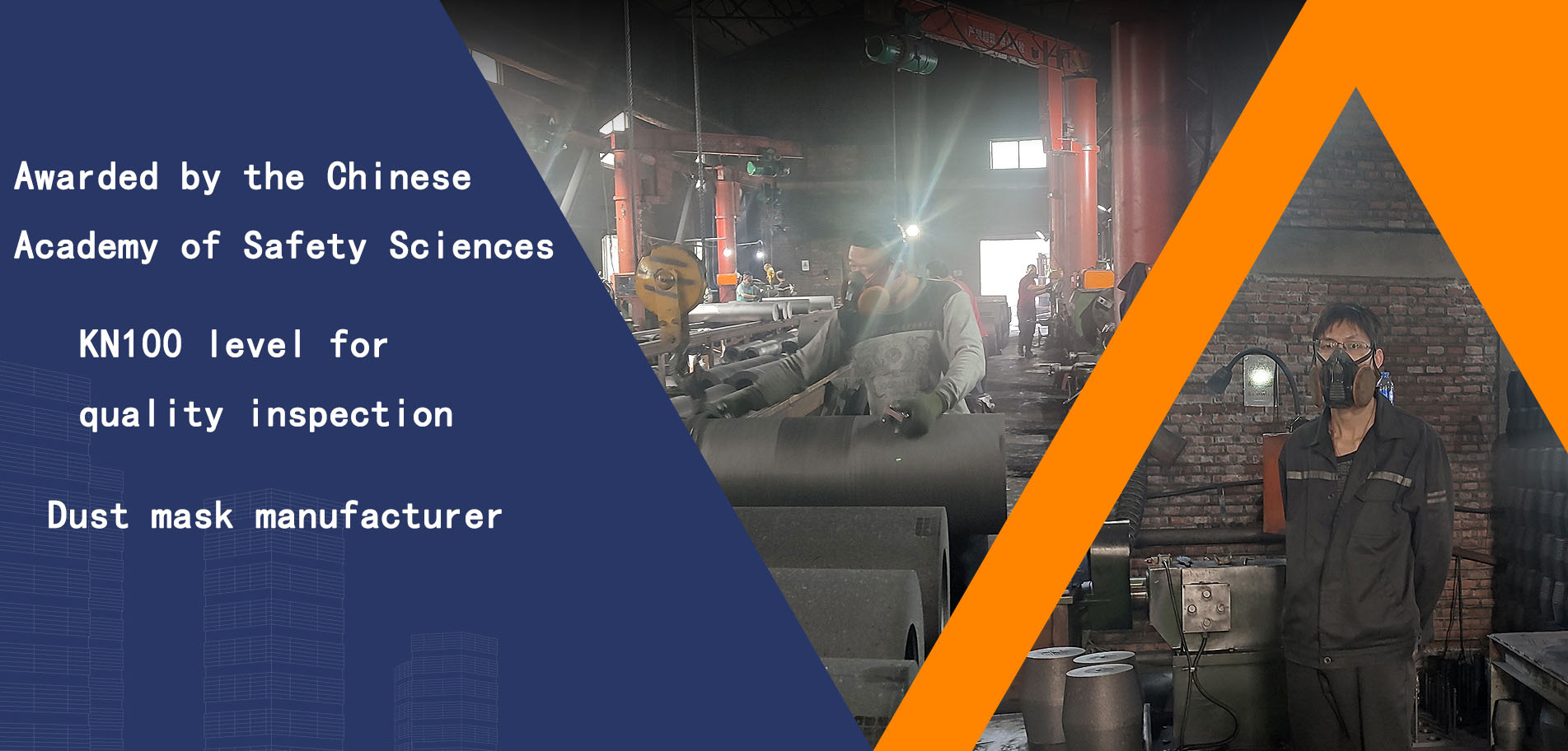
Shipbuilding and repair are high-risk industries, where the working environment often contains various harmful air pollutants such as welding fumes, abrasive blasting dust, chemical vapors, asbestos fibers, and paint mists. Long-term exposure can lead to occupational diseases such as pneumoconiosis, chemical poisoning, respiratory inflammation, and even malignant tumors. Therefore, establishing a systematic and standardized respiratory protection system is crucial.

I. Identifying Sources of Respiratory Hazards
In the shipbuilding industry, the main respiratory hazards include:
Particulate Matter: Welding fumes, metal dust, grinding dust, silica dust from abrasive blasting, asbestos fibers, etc.
Chemical Vapors and Gases: Paint and solvent volatiles (such as benzene, toluene, xylene), harmful gases produced by welding (such as ozone, nitrogen oxides), oxygen-deficient or accumulated gases in enclosed compartments.
Biological Contaminants: Molds, bacteria, etc., that may be present during the repair of old ships.
II. Establishing a Tiered Respiratory Protection Strategy
1. Prioritize Engineering Controls
Install local exhaust ventilation devices (e.g., extraction and dust removal systems) at fixed workstations such as welding and grinding areas.
Use enclosed spray booths with overall ventilation and air exchange systems for painting operations.
Implement forced mechanical ventilation when working in enclosed ship compartments to ensure air circulation.
Employ wet methods wherever possible to suppress dust generation.
2. Appropriate Selection of Personal Respiratory Protective Equipment (RPE)
When
engineering controls cannot fully eliminate hazards, appropriate
respiratory protective equipment must be provided to workers:
For Protection Against Particulate Matter:
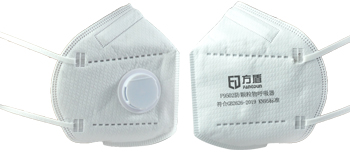
For ordinary dust environments, use particulate-filtering respirators that meet relevant standards (e.g., KN95 level or higher).
For high-concentration dust environments (e.g., abrasive blasting), powered air-purifying respirators (PAPRs) or supplied-air respirators should be used.
For Protection Against Chemicals:
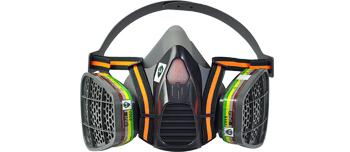
For organic vapors, acid gases, etc., use air-purifying respirators (gas masks) with corresponding filter cartridges, ensuring the cartridge type matches the hazard.
In environments with unknown concentrations, oxygen deficiency, or high concentrations of toxic substances (e.g., interior tank coating, confined space work), positive-pressure self-contained breathing apparatus (SCBA) or airline respirators with long hoses must be used.
Comprehensive Protection:
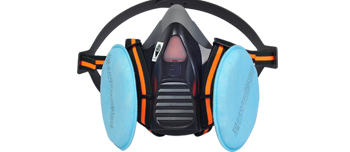
In environments with both particulate and chemical hazards, use combination filter elements or multi-purpose protective equipment.
III. Implementing Systematic Management Measures
1. Risk Assessment and Work Permits
Conduct a pre-task risk assessment for every job involving respiratory hazards.
Implement a permit-to-work system for high-risk operations such as entry into confined spaces or hot work painting.
2. Personnel Training and Capacity Building
Train employees to identify respiratory hazards and understand the health effects of different pollutants.
Instruct on the correct selection, wearing, inspection, and maintenance of RPE, emphasizing the importance of fit checks.
Conduct regular emergency drills, including the use of respiratory equipment in unexpected situations.
3. Equipment Management and Maintenance
Establish systems for the issuance, inspection, maintenance, and disposal of RPE.
Ensure filter elements are replaced on schedule and record usage time.
Provide each employee with a personally assigned respirator facepiece to prevent cross-use.
4. Health Surveillance and Supervision
Implement pre-employment, periodic during employment, and post-employment occupational health examinations for workers exposed to respiratory hazards.
On-site supervisors should check the implementation of respiratory protection measures and promptly correct unsafe behaviors.
IV. Focused Protection for Special Work Environments
Confined Space Work:
Continuous ventilation and gas detection are mandatory.
Workers must wear supplied-air respirators, and an external attendant must be assigned.
Hot Work Areas:
Welding and cutting operations should have screens and local exhaust smoke removal equipment.
Workers need RPE that provides dual protection against particulates and harmful gases.
Ship Recycling and Repair of Old Vessels:
A hazardous materials survey (especially for asbestos, lead, etc.) must be conducted before work begins.
Develop specific protection plans, which may require the highest level of respiratory protection.
V. Fostering Culture and Continuous Improvement
Integrate respiratory protection safety into the corporate safety culture system, with management leading by example.
Encourage employees to report hazards and suggestions for improvement related to respiratory protection.
Regularly review and update respiratory protection procedures to adapt to changes brought by new materials and processes.
Stay informed about industry best practices and technological advancements, and promptly introduce more effective protective equipment and methods.
In the shipbuilding industry, respiratory protection is not only a compliance requirement but also a fundamental safeguard for the life and health of workers. Through systematic hazard identification, scientific selection of protection, strict management execution, and continuous cultural development, respiratory health risks can be effectively controlled, laying a solid foundation for the sustainable development of the shipbuilding industry.