English

In the high-risk period of respiratory diseases and various protective scenarios, masks are an important barrier to protect our respiratory health. Choosing the right mask is only the first step in protection, and standardized wearing and use procedures are the key to maximizing the protective effect of masks. If the wearing details are ignored and the usage method is improper, even if a high-grade protective mask is used, it is difficult to resist the invasion of harmful substances such as bacteria and dust, and the expected protective effect cannot be achieved.
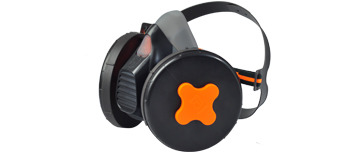
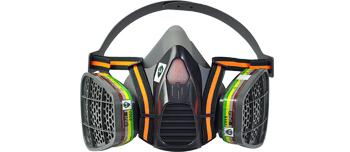
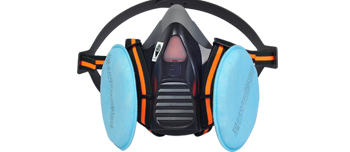
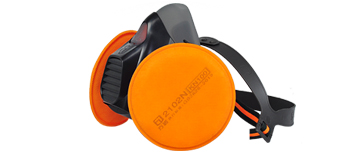
After selecting the right mask, it is equally important to wear and use it in a standardized manner, otherwise even the highest level of mask cannot achieve the desired effect. Before wearing, it is necessary to clean both hands to avoid stains and bacterial contamination on the inside of the mask that contacts the mouth and nose, and to prevent harmful substances from indirectly entering the respiratory tract; Subsequently, carefully inspect the integrity of the mask, checking for any damage, cracks, deformation, or aging on the main body of the mask. Focus on checking if the edge sealing strips are intact, without detachment or damage. If it is a replaceable filter cotton style, it is necessary to confirm that the filter cotton is not damaged, damp, moldy, and installed firmly.
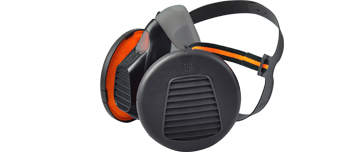
In addition, it is necessary to check the production date and expiration date of masks and filter cotton, and it is strictly prohibited to use expired products. The filtration efficiency of expired filter materials will be greatly reduced, and effective protection cannot be achieved; At the same time, it is necessary to confirm that the size of the mask matches one's own face shape, as being too large or too small can affect the sealing effect. Before wearing, it is necessary to shave off the beard and sideburns on the face that come into contact with the mask to avoid hair obstructing the tight fit between the mask and the face. Remove earrings and other accessories from the face to prevent them from compressing the mask and causing air leakage at the edges.
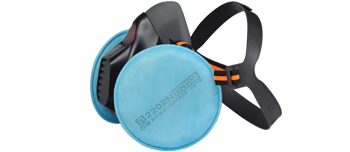
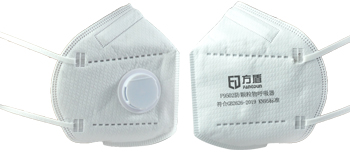
When wearing, it is necessary to fully cover the mouth, nose, and chin of the mask, adjust the headband or ear strap. For head worn masks, the upper headband should be pulled above the head, and the lower headband should be pulled behind the neck, avoiding the ears. Adjust the tightness to avoid strangling or loosening the head; Then use both index fingers to press from the middle of the nose clip to both sides, making the nose clip tightly fit the contour of the nose bridge. Then gently press the edge of the mask with your palm, from the nose bridge to the chin, one by one, to ensure that there is no gap between the mask and the face.
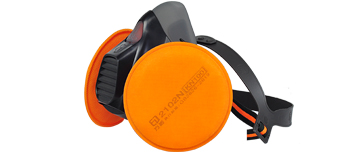
After wearing, it is necessary to perform an air tightness check: gently inhale and exhale, feel if the mask is concave inward and if there is no gas leaking from the edge. If you feel cold air entering or the breathing resistance decreases, it indicates that there is air leakage, and you need to readjust the nose clip, headband or ear strap. If there is still air leakage, it may be due to the mask size not matching, and you should immediately replace it with a mask of the appropriate size.
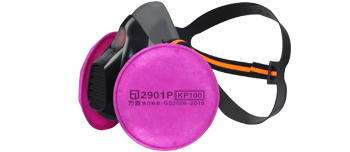
The protective effect of a mask depends not only on the quality and grade of the mask itself, but also on every detail of wearing and using it. From cleaning and inspection before wearing, to standardized operation during wearing, to confirmation of airtightness after wearing, every step is indispensable. Only by strictly following these regulations can masks truly become our "protective shield" for health, effectively resisting various respiratory risks and safeguarding our own and others' physical health.