English
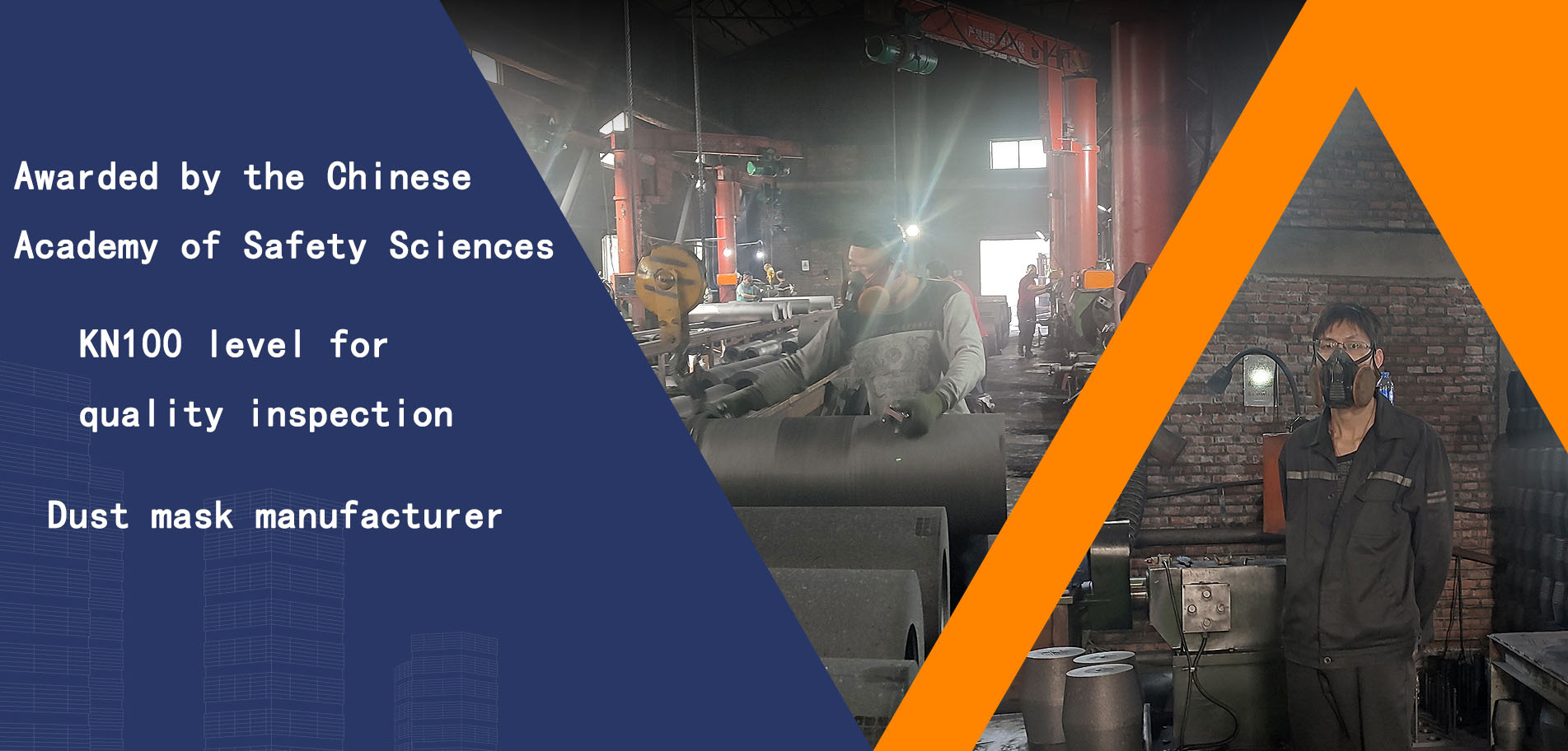
In the coal mining industry, dust masks are the last line of defense against pneumoconiosis. However, for a long time, "wearing discomfort" has been the main obstacle to workers' standardized use of face masks. High temperature, high humidity, high respiratory resistance, and facial pressure often cause workers to frequently remove their face shields during work, rendering protection ineffective. With the advancement of materials science and ergonomics, improving the comfort of dust masks has become an important trend in technological research and development.
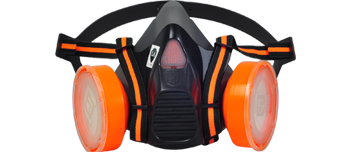
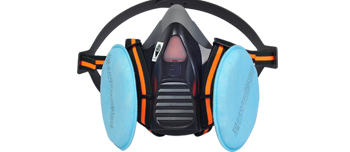
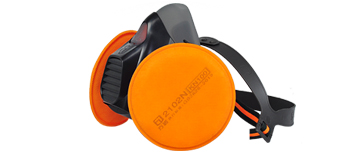
Reducing respiratory resistance is the primary direction for improving comfort. Traditional filtering materials often sacrifice breathability in pursuit of high filtration efficiency, resulting in workers having difficulty inhaling. The new generation technology optimizes the fiber structure and uses multi-layer composite polarizing meltblown fabric, which ensures efficient interception of fine coal dust while significantly reducing the resistance of airflow passing through. In addition, increasing the effective filtration area of the filter cotton is also a common strategy, such as using foldable or large-area flat plate filter cotton design, which reduces the dust load per unit area, makes the airflow distribution more uniform, and significantly reduces the respiratory burden, allowing workers to maintain smooth breathing even under high-intensity labor.
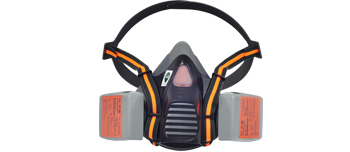
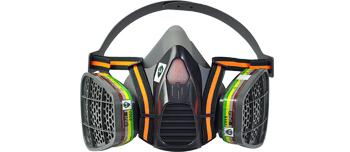
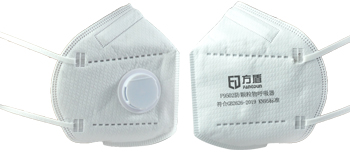
Solving the problem of "dampness and heat accumulation" inside the mask is equally crucial. The temperature and humidity in the underground environment of coal mines are high. If the hot air exhaled by workers cannot be discharged in a timely manner, a high-temperature and high humidity microenvironment will form inside the face mask, which not only makes it stuffy and unbearable, but also easily leads to fogging of lenses (if wearing goggles) and skin allergies. Modern half face masks are commonly equipped with one-way exhalation valves with low opening pressure. This valve is designed to be sensitive and can be opened with minimal exhalation pressure, quickly expelling humid and hot exhaust gases from the hood while tightly closing under external pressure to prevent external dust from entering. The advanced valve body design can also reduce exhalation noise and avoid interfering with work communication.
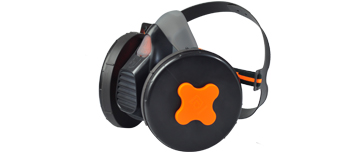
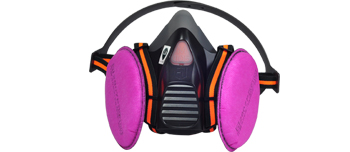
Technological innovation is constantly breaking through in terms of fit and material. Traditional face masks often compress the nose bridge and cheeks due to their high hardness, leaving creases and even causing skin damage. The new mask body widely uses medical grade liquid silicone or soft thermoplastic elastomers (TPE), which have a delicate touch, good skin affinity, and excellent flexibility, and can adapt to various face shapes without producing strong pressure. Combined with a wide and adjustable elastic headband system, it can evenly distribute pressure throughout the entire head, rather than concentrating on a single point, further enhancing the comfort of long-term wearing.
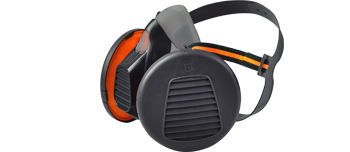
In short, improving the comfort of dust-proof half masks is not only a matter of improving the experience, but also a strategic need to enhance protective compliance and effectively protect workers' health. With the continuous iteration of technology, future dust masks will be more lightweight, breathable, and snug, making "willing to wear and insisting on wearing" the new norm for coal mining operations.