English
Spray painting operations are ubiquitous in industries such as automotive maintenance, furniture manufacturing, and ship painting. However, many practitioners are not truly aware that behind every spray painting operation, there is a continuous erosion of the respiratory system. Paint contains various organic solvents such as benzene, toluene, and xylene, which pose great harm to human hematopoietic function and are an important cause of inducing aplastic anemia and leukemia.
These aromatic compounds can also cause distortion and cancer in the human body. The particles produced by spray painting are easily inhaled into the lungs. Mild cases can cause discomfort, headaches, dizziness, nausea, vomiting, loss of appetite, and lack of concentration, while severe cases can cause varying degrees of toxicity to the respiratory, circulatory, digestive, and reproductive systems. A study has indicated that the lifetime cancer risk of carbon tetrachloride faced by automotive spray painters has been assessed as a "possible danger" level.
Faced with such occupational health threats, the national level is also continuously strengthening governance efforts. In 2025, cities such as Hangzhou will launch a special campaign to improve occupational health in workplaces using toxic chemicals, with a focus on industries such as spraying, printing, and furniture manufacturing that use organic solvents. Local exhaust facilities will be required in workplaces, and organic solvent storage tanks will be kept sealed. However, engineering protective measures cannot completely replace personal protection - in situations with limited ventilation and complex working environments, respiratory protective equipment becomes the "last line of defense" to protect workers.
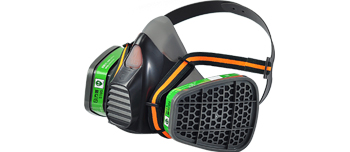
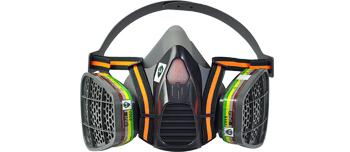
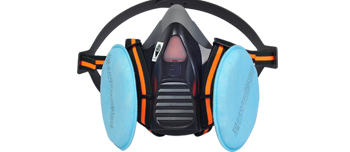
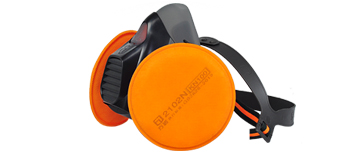
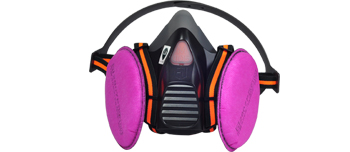
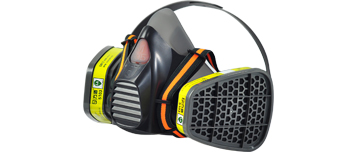
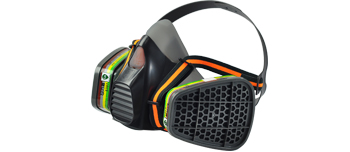
Among various respiratory protective equipment, Fangdun half face mask has become the most common personal protective tool in spray painting operations due to its lightweight, practical, and high cost-effectiveness. It covers the mouth and nose area, and filters organic vapors and dust particles through a combination of filter cartridges and filter cotton. The half face mask itself can be reused, and can be used for a long time by regularly replacing the filter elements, greatly reducing the cost of protection.
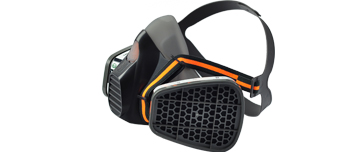
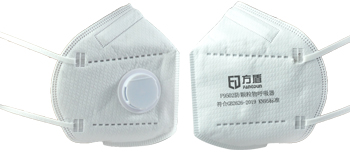
But it should be emphasized that not every mask can cope with the complex hazards of spray painting operations. Ordinary dust masks can only filter particulate matter and cannot block organic vapors; Spray painting operations face both of these hazards, and it is necessary to use professional half masks equipped with activated carbon filter cartridges and high-grade dust-proof filter cotton. The choice of protective equipment directly affects the success or failure of protection.