English
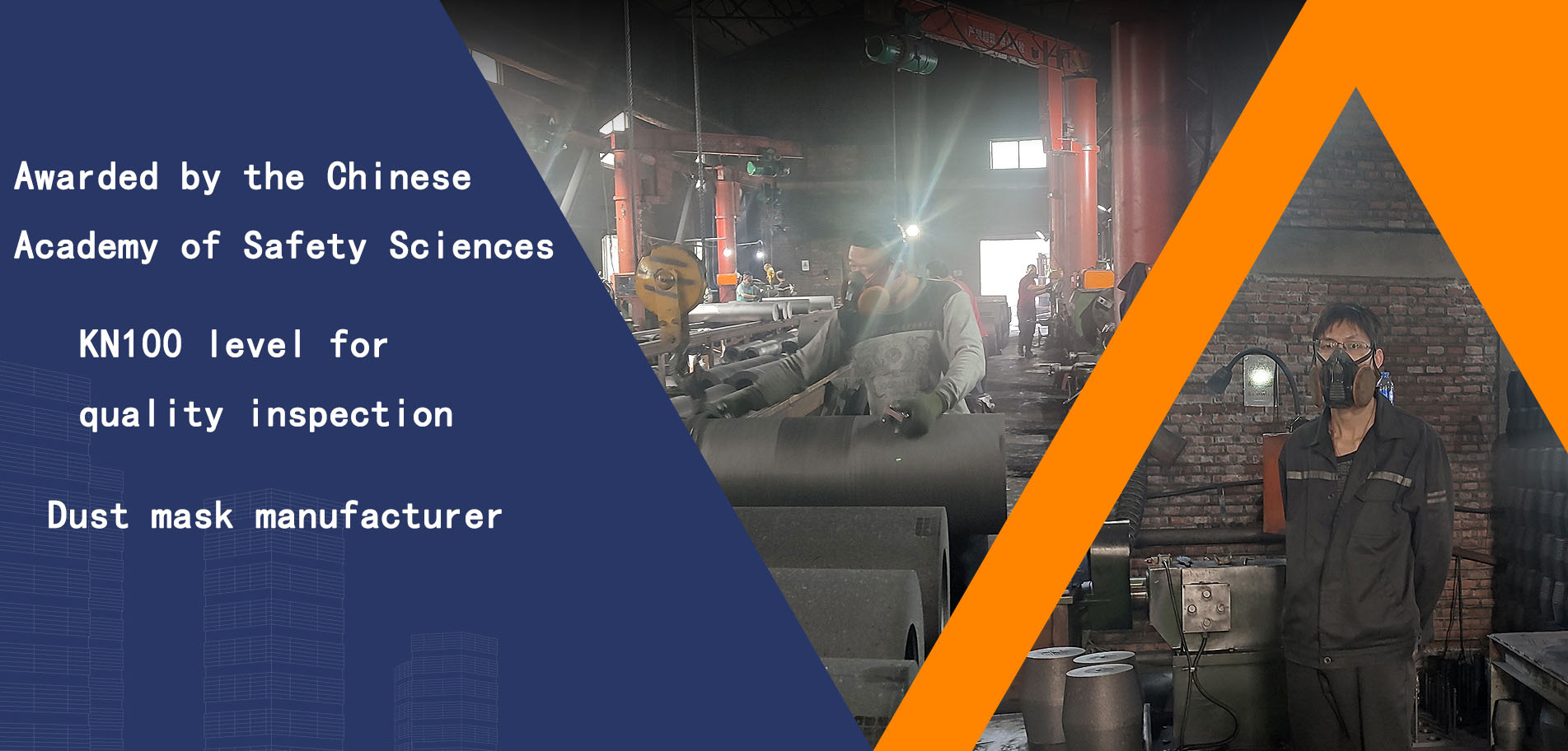
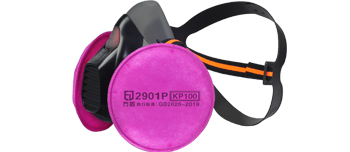
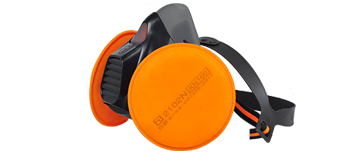
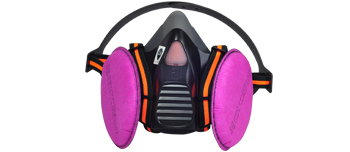
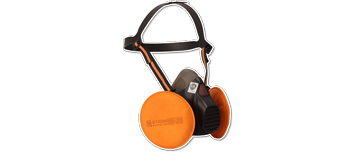
The fine dust such as sawdust and stone powder generated during carving operations may cause respiratory damage if inhaled for a long time, so wearing a dust mask is a necessary protective measure. A qualified dust mask needs to balance protective effect and wearing comfort in order to truly provide reliable protection for practitioners.
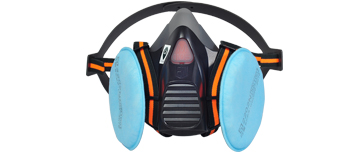
The core of protective effect lies in the filtering level and sealing degree. The filtration level must comply with relevant standards, and the tightness is a prerequisite for effective protection - if the mask cannot fit tightly to the face, dust will enter through the gaps, causing the protection to fail. When choosing, priority should be given to styles that fit the face shape, such as cup masks and foldable masks, to ensure that the mask fully covers the mouth, nose, and chin. The nose bridge is equipped with a moldable metal nose clip design, which can better fit the curve of the nose bridge and reduce gaps. After wearing a mask, it is necessary to perform a tightness check: during a positive pressure test, cover the exhalation valve with your palm and gently exhale. If the mask is slightly bulging and there is no gas leakage, it indicates good tightness; During negative pressure testing, cover the filter element and gently inhale. The mask should slightly collapse and no gas should enter from the edge. In addition, facial beard and sideburns may affect the fit, and keeping the face clean can help improve the protective effect.
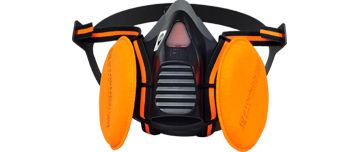
Carving tasks are mostly physical labor, with a high breathing rate and a long wearing time per session, so comfort is also crucial. The style with an exhalation valve is preferred: when exhaling, the valve opens to quickly release hot and humid air, reduce stuffiness, and keep breathing dry; When inhaling, the valve closes without affecting the filtration effect. In terms of wearing style, the head worn style has a more even pulling force than the ear worn style, and long-term wearing is less likely to cause ear pain and has better stability. In addition, choosing masks with skin friendly materials and soft interiors can reduce friction and pressure on the skin, further enhancing the comfort of long-term wear.
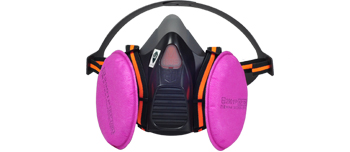
In summary, when choosing a square shield dust mask, carving practitioners need to pay attention to the filtration level, fit, and comfort at the same time, and do a good job of checking the fit after wearing, selecting the right style and wearing method. Only by implementing the details in place can masks truly play a role, protecting respiratory health while focusing on creation.