English

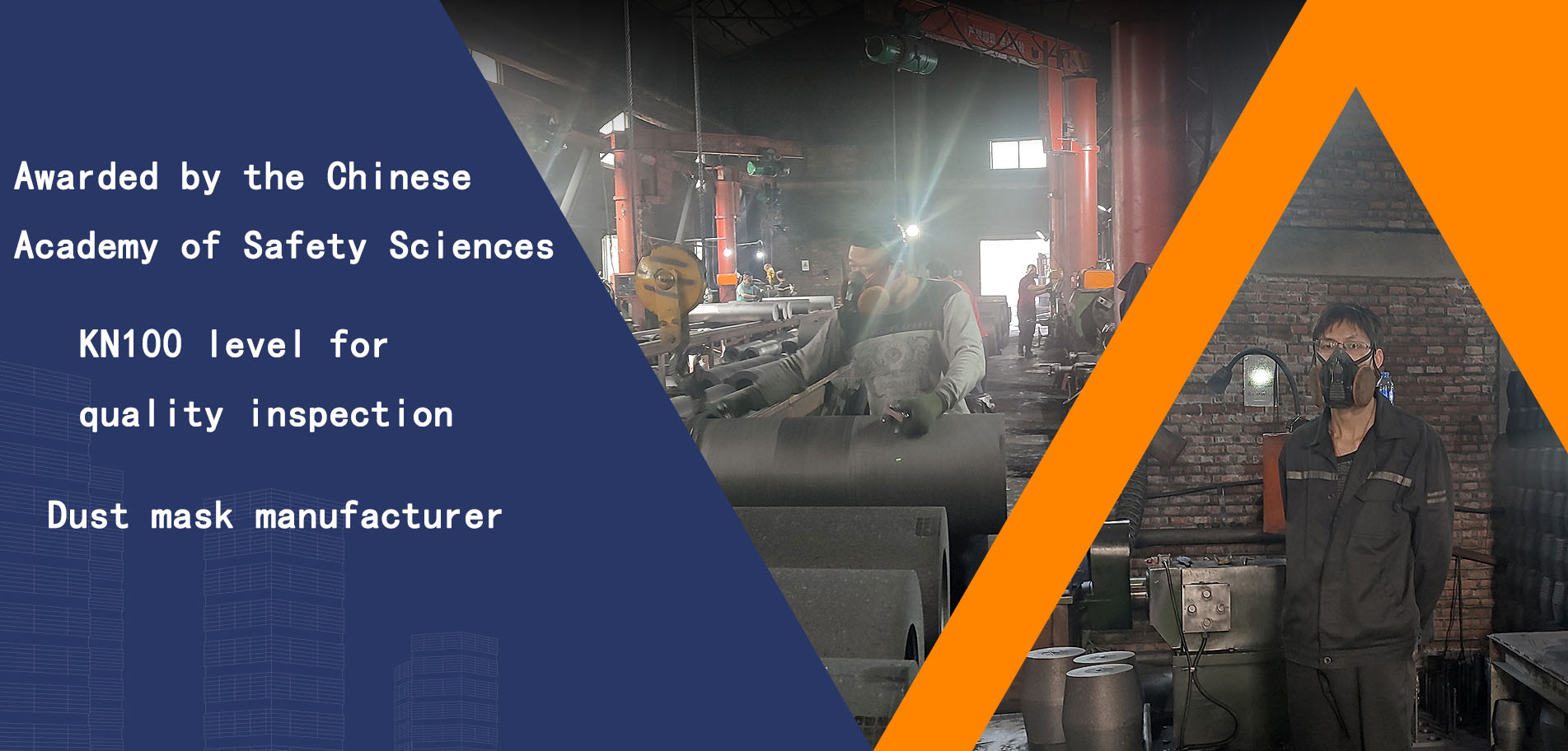
In industrial production, dust masks and gas masks have similar appearances, but their protective objects are completely different. Choosing the wrong one not only affects the protective effect, but may also bring additional risks. Below, we will summarize from three aspects: products, scenarios, and common questions.
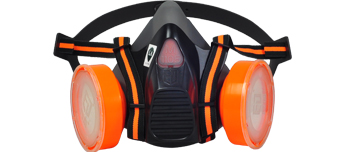
1、 Product composition
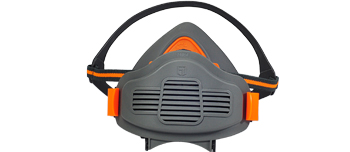
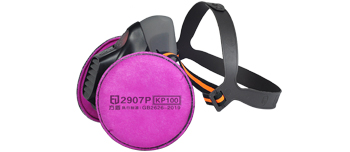
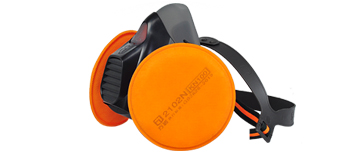
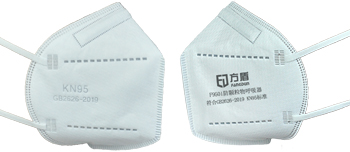
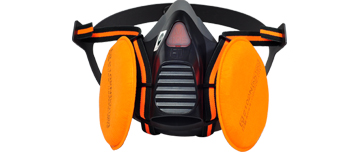
Fangdun's respiratory protection products are mainly divided into three categories. The dustproof class is represented by two levels, KN100 and KP100, with a nominal filtration efficiency of over 99.97% for particles larger than 0.075 microns; KN is suitable for non oil particles, while KP is suitable for both oil and non oil particles. Anti toxic products are centered around a filter box, filled with adsorption materials such as activated carbon, and differentiated by color according to the protected object. Brown corresponds to organic gases, and yellow corresponds to acidic gases. When there is both dust and toxic gas present on site, a dust toxic combination filter element can be selected to provide both functions at once.
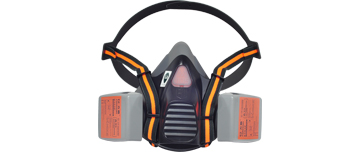
2、 Applicable scenarios
Dust masks are mainly used in environments with pure dust, such as coal mining, stone cutting, cement production, metal polishing, and construction. In situations where organic vapors or acidic gases exist, such as spray painting, chemical production, pesticide spraying, and ink printing, filter masks are mainly used. During welding operations, welding fumes and ozone are generated simultaneously, which is a typical mixed environment, and dust toxic combination filters should be used. All of the above filtering equipment has a common premise: the oxygen concentration in the environment is not less than 18%, and the concentration of harmful gases has not reached a level that immediately threatens life and health.
3、 Several common problems in the industry
Firstly, dust masks cannot block toxic gases. It only processes particulate matter and has no filtering ability for gases and vapors. Wearing a dust mask in the paint booth is a typical mistake.
Secondly, the filter cartridge is not universal. Different colors correspond to different protective objects. Before selecting the box, confirm which gas is present on site.
Thirdly, working conditions such as confined spaces, tank cleaning, and large-scale chemical leaks that may result in oxygen deficiency or toxic gas accumulation are not suitable for any filter masks and require the use of positive pressure air respirators or long tube respirators, relying on self-contained gas sources for air supply.
Fourthly, consumables have a lifespan. The filter cotton and filter cartridge need to be replaced according to their usage cycle. Before wearing, an air tightness check should be conducted. If the mask does not fit well with the face, the protection will be compromised.
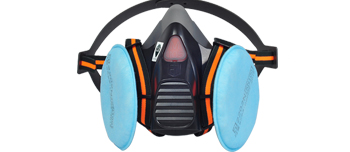
The key to selection is to first identify the type of hazard, then match the corresponding equipment, and finally verify the filtration efficiency and adsorption performance of the product according to national standards. It is recommended to choose qualified and clearly labeled reputable brands such as Fangdun for daily procurement, and to include consumables replacement in routine management to ensure continuous and effective protection.