English
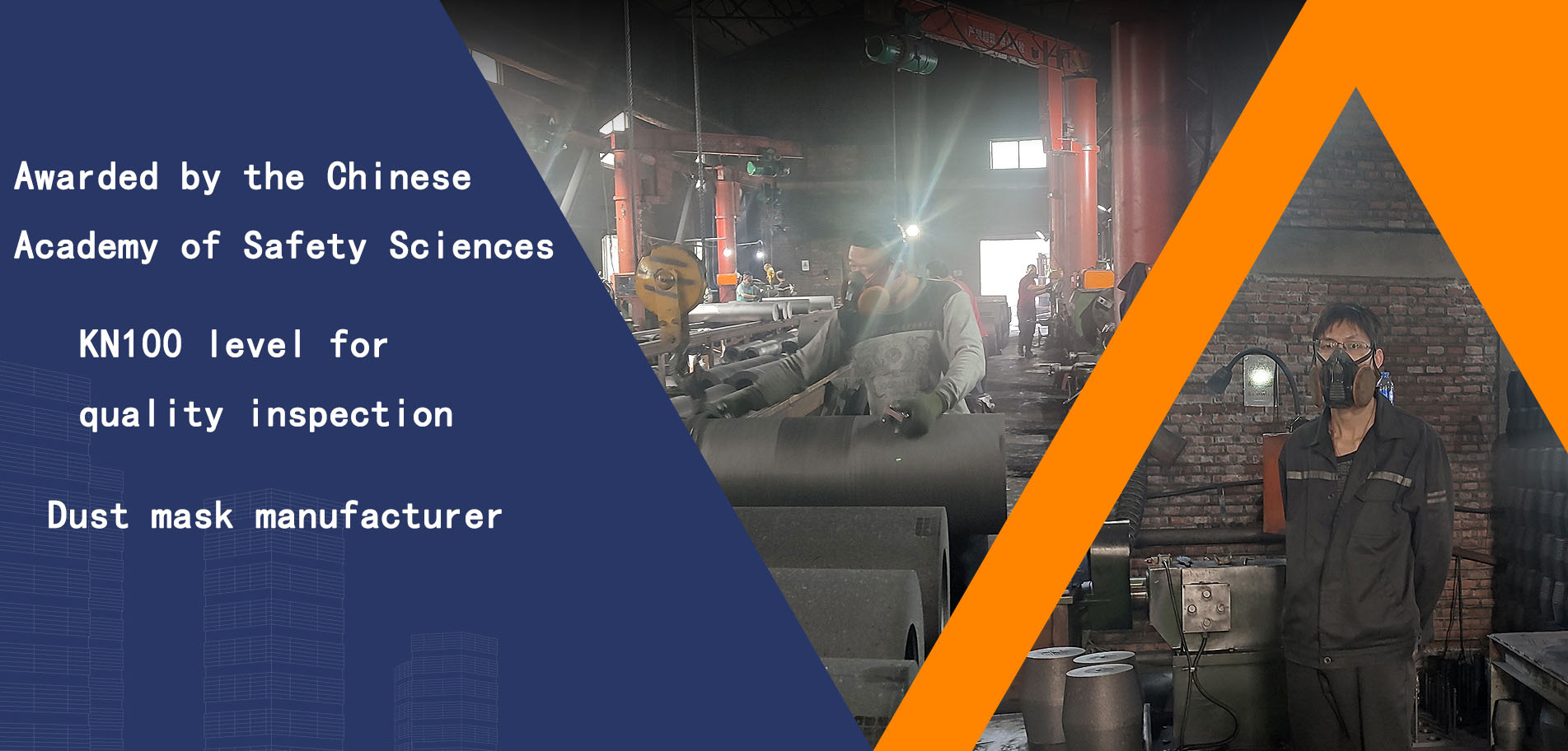
For natural gas workers, protective masks are far from ordinary personal protective equipment; they are a critical line of defense for ensuring respiratory safety and guarding against occupational hazards. The working environment in the natural gas industry is complex, with potential risks including methane asphyxiation, trace harmful gases like hydrogen sulfide, dust from pipeline maintenance, and unexpected leaks. Choosing the wrong mask can, at best, affect comfort, and at worst, lead to health damage or even safety incidents. Therefore, a scientific and rigorous approach to selecting protective masks is essential.
Step 1: Core Principle – Identify the Primary Hazard, Determine the Protection Type
Choosing a mask should not be based on guesswork. It must start with accurately identifying the primary hazardous substance present in the work environment. This determines the fundamental type of mask required:
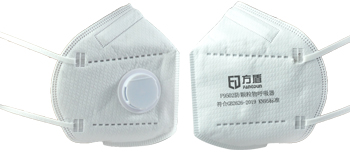
Protection against Particulate Matter (Dust, Smoke, Mist): Suitable for dusty environments during pipeline cutting, grinding, or construction sites. Choose particulate respirators (commonly known as dust masks) compliant with national standards (e.g., China's GB 2626). Pay attention to their filtration efficiency rating (e.g., KP95, indicating ≥95% filtration efficiency for both oily and non-oily particles).
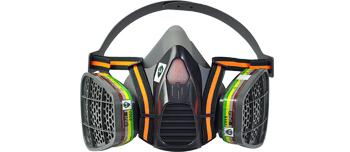
Protection against Specific Toxic Gases and Vapors: This is a situation requiring particular vigilance in natural gas operations. If hydrogen sulfide, trace organic solvent vapors are present, or when responding to unknown leaks for emergency intervention, a gas mask (air-purifying respirator) must be used. These masks are equipped with specialized cartridges, and it is imperative to select the cartridge with the correct designation for the target gas (e.g., for organic vapors, for acid gases, etc.). Ordinary dust masks must never be used as a substitute for gas masks to protect against gaseous hazards.
Protection in Oxygen-Deficient Atmospheres: In confined spaces, storage tanks, valve pits, or areas suspected of having high concentrations of natural gas (primarily methane) leaks where oxygen levels may fall below 19.5%, any air-purifying respirator (including dust masks and gas masks) is ineffective and prohibited. Atmosphere-supplying respiratory protection equipment must be used, such as airline respirators or positive-pressure self-contained breathing apparatus (SCBA).
Key Reminder: When the work environment may present mixed or multiple hazards, or when the nature or concentration of hazards is unknown, adhere to the principle of "choosing the higher level of protection" and consult safety professionals.
Step 2: Key Considerations – Ensuring Fit, Comfort, and Suitability
Once the mask type is determined, the following factors dictate its actual protective effectiveness and usability:
Fit: The mask must form a tight seal with the wearer's face without leakage. Choose products offering multiple sizes/models and always perform a user seal check (simple method: after donning, exhale and inhale forcefully to feel for leaks around the edges). Facial hair like beards or sideburns can severely compromise the seal and may require trimming.
Breathing Resistance and Comfort: Higher protection levels often come with potentially greater breathing resistance. Choosing masks with an exhalation valve can reduce heat buildup and improve tolerance for extended wear. Note: in specific circumstances involving severe oxygen deficiency or protection against certain gases, follow device instructions regarding exhalation valve use.
Task Compatibility: The mask should not obstruct vision, communication (consider models with speech diaphragms if clear speaking is needed), or interfere with other protective equipment (e.g., safety glasses, ear muffs, hard hats). For jobs involving frequent movement like maintenance or inspection, consider the mask's weight and overall design.
Step 3: Compliance and Maintenance – Emphasizing Certification, Care, and Replacement
Verify Certification Standards: Regardless of the mask type chosen, ensure it complies with authoritative national or international protection standards (e.g., China's GB standards). Check product markings and certificates of compliance when purchasing.
Establish Replacement Schedules:
Dust Mask Filters: Replace immediately when breathing resistance increases noticeably, or if they become soiled or damaged. They are not washable or reusable.
Gas Mask Cartridges: Have a strict service life. For gases with warning properties (e.g., hydrogen sulfide), replace the cartridge immediately upon detecting any odor and evacuate. For odorless gases, replacement must strictly follow the manufacturer's recommended cumulative use time or calculated time based on exposure concentration. Expired or opened cartridges may be ineffective even if unused.
Full-facepiece/Half-facepiece Unit: Inspect regularly for cracks, deformation, or component aging (e.g., headbands, sealing gaskets). Clean and disinfect as required.
Personal Use and Training: Reusable half-mask and full-facepiece respirators should be assigned for individual use whenever possible. Every worker must receive training on proper donning, checking, maintenance, recognizing failure, and understanding the equipment's limitations.
Summary: Safe Selection Process
Natural gas workers can follow this decision-making process when selecting protective masks:
Assess the Environment: What is the primary hazard for the current task? (Particulate matter / Specific gas / Oxygen-deficient risk / Combined risk)
Determine the Type:
Protection against particulates → Choose compliant particulate respirators.
Protection against known low-concentration toxic gases → Choose a gas mask with corresponding cartridges.
Entering oxygen-deficient or high-concentration unknown atmospheres → Atmosphere-supplying respirators must be used (air-purifying respirators are prohibited).
Personal Adaptation: Select the correct size, perform a fit test, ensure compatibility with other equipment.
Confirm Compliance: Check product certification standards.
Correct Use and Maintenance: Receive training, follow wearing protocols, conduct regular inspections, replace spent components promptly.
Respiratory safety is no small matter. In the specialized field of natural gas, correctly selecting and using protective masks is a responsibility to one's own life and health, as well as the cornerstone of family well-being and enterprise safety. Never underestimate the potential risks in the work environment, and always let scientific protection precede the risks.