English
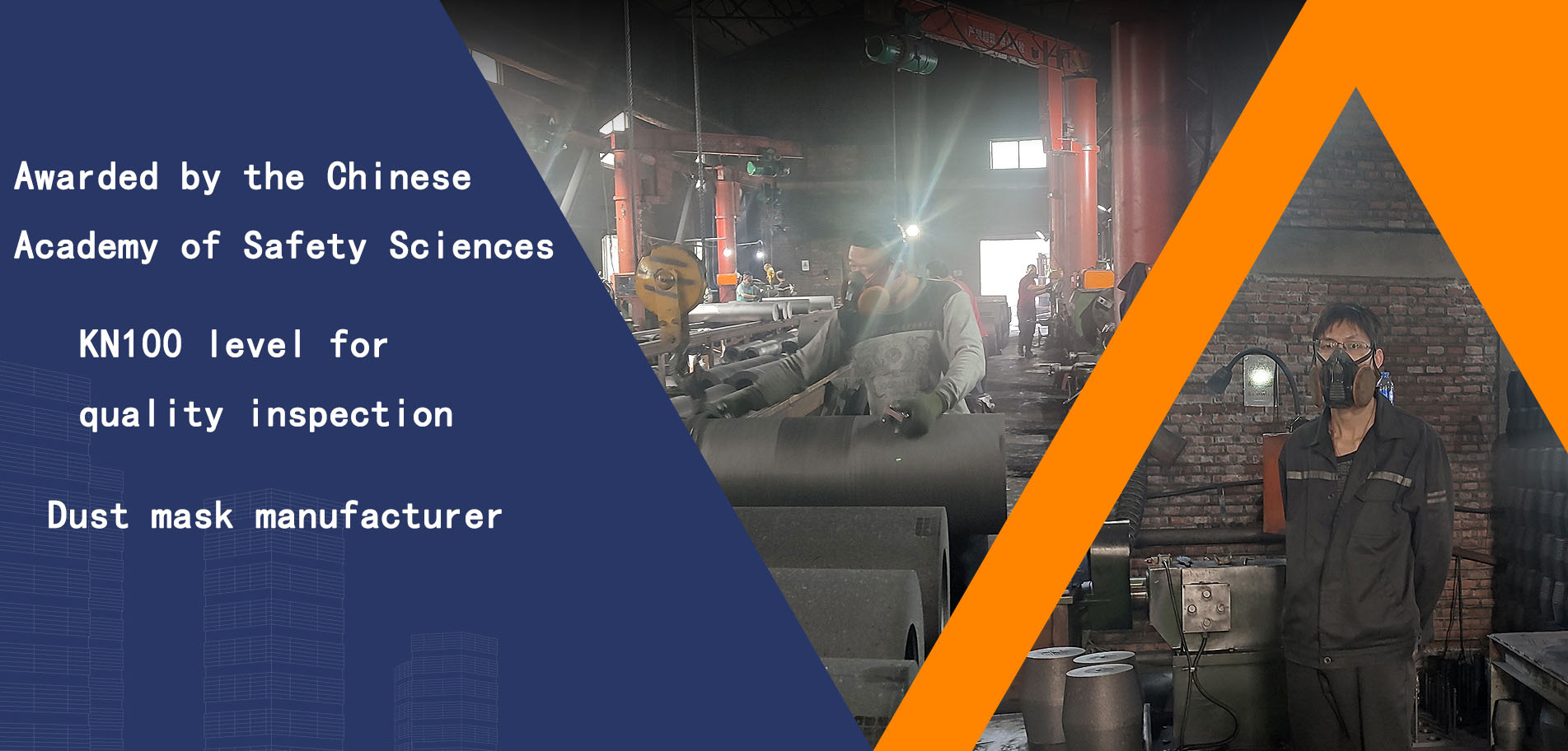
Sugar is the sweet footnote of life, present everywhere from the tip of the tongue to the kitchen. Yet, behind this sweetness lies an invisible threat on the production lines of the sugar industry—hazardous gases. From raw material processing to finished product storage, multiple stages may quietly emit toxic gases that pose health risks, constantly testing production safety. A crucial line of defense for life is the professional gas-filtering mask worn by workers.
The sugar production process is highly complex, involving stages such as juice extraction, clarification, evaporation, crystallization, separation, drying, and wastewater treatment. Nearly every step can become a "breeding ground" for toxic gases. Particularly in confined spaces like syrup tanks, sugar boiling tanks, and wastewater treatment pools, the fermentation and decay of organic matter can lead to the accumulation of lethal gases such as hydrogen sulfide and formaldehyde. Improper operation of the sulfur bleaching process may also result in the leakage of highly irritating sulfur dioxide. These gases may be odorless and colorless, highly concealed, or extremely corrosive, posing a direct threat to the respiratory system of personnel—ranging from mild discomfort to severe cases of asphyxiation, poisoning, or even death.
Given the complexity, variability, and concealment of risks, proactive and proper respiratory protection becomes critically important. In such scenarios, professional gas-filtering masks serve as a vital lifeline for workers facing unknown gas environments. Unlike ordinary labor protection equipment, these masks are specifically designed to address the gas hazards unique to the sugar industry, effectively filtering, adsorbing, or neutralizing specific toxic substances to keep them out of the respiratory system. Every time entering potentially hazardous areas, wearing compliant and effective gas-filtering masks adds an extra "safety belt" to safeguard life.
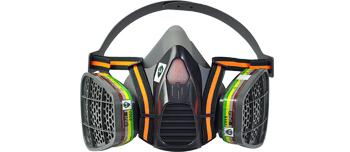
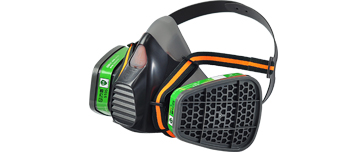
The sugar industry faces complex and variable risks from toxic gases, where ordinary masks are virtually ineffective in such specialized protective scenarios. To truly establish a reliable life line of defense, it is essential to rely on gas-filtering masks that comply with national standards and possess professional certifications. The core value of this type of protective equipment lies in its scientific and precise filtration capabilities—for inorganic gases like hydrogen sulfide or carbon monoxide, targeted specialized filters must be selected; if the environment contains a mix of multiple toxic gases, multifunctional filters are required; and if dust is also present, filters with comprehensive protective functions should be used. Moreover, the integrity of protection must align with risk levels: in low-concentration working environments, a half-face mask can provide basic protection; however, when entering high-concentration, high-risk confined spaces, a full-face mask must be worn to ensure complete isolation and protection of the respiratory system.
Therefore, anti-toxic masks are far from ordinary labor protection equipment but rather indispensable professional gear in the toxic gas protection system of the sugar industry. Their importance is not only reflected in scientific selection but also throughout the entire process of proper use and strict maintenance: it is essential to regularly inspect the mask's airtightness, promptly replace expired filter cartridges, and ensure correct and snug wear. Every time before entering a hazardous area, selecting and wearing an effective anti-toxic mask correctly serves as the final and most crucial respiratory safety barrier for workers.