English
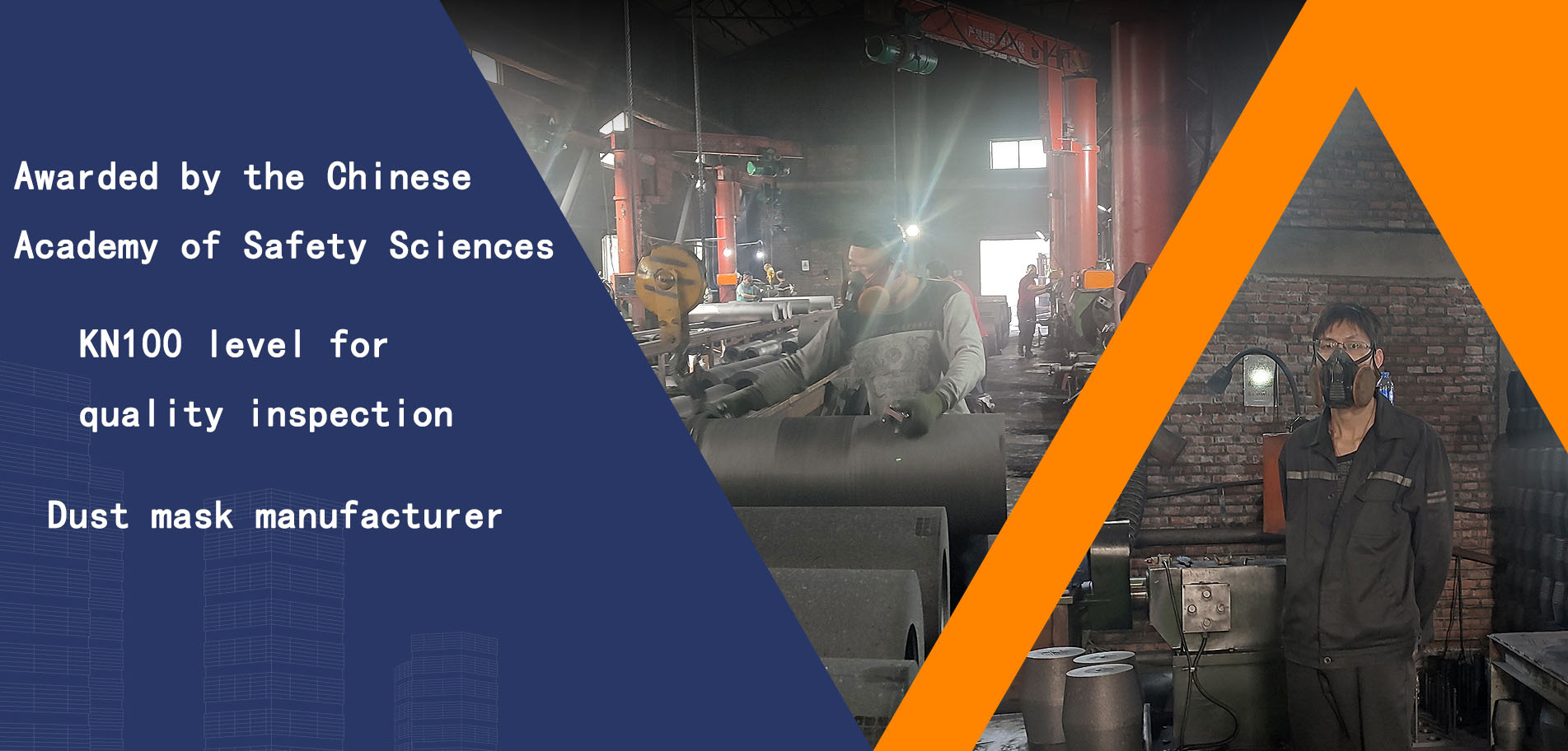
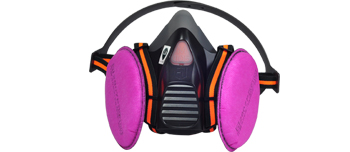
In environments where toxic and harmful gases or dust are present, such as chemical production, mining, and emergency rescue, gas masks are the core equipment for ensuring respiratory safety. Far from being an ordinary "shield", they are a highly sophisticated "mobile air purification device" that relies on scientific structural design and advanced materials to achieve efficient interception, adsorption, or chemical conversion of hazardous substances. Their protective logic follows the principle of "categorized response and precise purification". For different work environments and types of risks, they can be mainly divided into two categories: air filtration type and air supply type, each with its own emphasis on working principles and application scenarios.
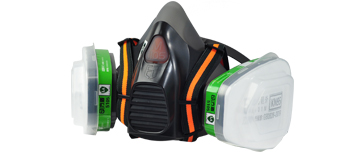
In environments with toxic and harmful gases or dust, such as chemical production, mining, and emergency rescue, gas masks are the core equipment for ensuring respiratory safety. They are not just simple "shields", but also a sophisticated "mobile air purification system". Through scientific design and special materials, they achieve the interception, adsorption, or transformation of hazardous substances. Their protective logic follows the principle of "classified protection and precise purification", mainly divided into two categories: air filtration and air supply, each corresponding to different working principles and application scenarios.
I. Air filtration type: on-site purification, ensuring safer breathing
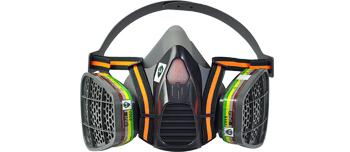
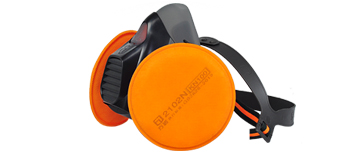
Air filtration respirators rely on the wearer's spontaneous breathing to purify contaminated air through filter materials before it enters the respiratory tract. Their structure mainly consists of a mask body and a filter material assembly, which work together to achieve effective protection.
Mask body: fits snugly and seals tightly to prevent leakage
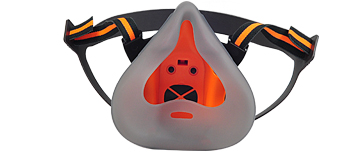
The face mask serves as the first barrier against polluted air. Made of soft and airtight materials such as silicone, it fits snugly against the facial contours, covering the mouth, nose, or the entire face (full-face mask). Full-face masks are typically equipped with anti-fog and impact-resistant windows to ensure clear vision and overall airtightness. Good sealing is the foundation of protection, preventing polluted air from bypassing the filter material and being directly inhaled.
Filter material component: graded purification, targeted interception
As the "purification core" of a mask, the filter material is divided into a filtration layer and an adsorption/reaction layer based on the protection target, achieving a step-by-step purification process of "removing particles first, then purifying the gas".
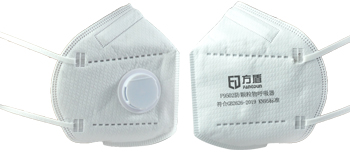
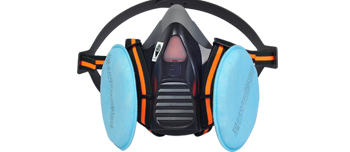
Filter layer: Primarily designed to capture particulate matter (aerosols) such as dust, smoke, and fog. Utilizing glass fiber or electrostatic charged materials, it effectively traps particles of various sizes through multiple mechanisms, including inertial collision, diffusion deposition, interception effect, and electrostatic adsorption. It excels at capturing particularly harmful inhalable particles smaller than 5 microns.
Adsorption/Reaction Layer: The core component is a filter cartridge/canister, designed to remove toxic gases and vapors. Its key material is specially treated activated carbon (impregnated carbon). Leveraging its vast specific surface area and microporous structure, activated carbon captures large molecular toxins such as organic vapors through physical adsorption. For gases that are difficult to adsorb physically (such as hydrocyanic acid, ammonia, etc.), the activated carbon is impregnated with chemical catalysts or reactants to convert the toxins into harmless substances through chemical adsorption or catalytic reactions. Different filter cartridges correspond to specific gas types, and are commonly identified by color for easy selection and identification.
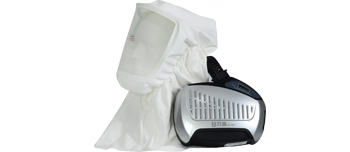
II. Air supply type: externally connected to an air source, completely isolated from pollution
Air-supplied respirators do not rely on on-site air, but instead deliver clean air directly to the facepiece through an external air source (such as a compressed gas cylinder or air supply line). This method completely isolates the wearer from external pollution and is suitable for extreme environments with extremely high toxic gas concentrations, oxygen deficiency, or unknown toxic components. The core of this approach lies in continuously providing a clean and stable air source, while ensuring reliable sealing of the delivery pipeline.
III. Key Factors: Fit and Selection for Effective Protection
No matter how effective the filter material is, if the mask does not fit properly on the face, pollutants will still seep in through the gaps. Therefore, proper wearing and fit inspection are crucial. At the same time, it is necessary to accurately select the filter material according to the working environment: use a filter layer only for particle protection, choose a corresponding filter cartridge only for gas protection, and use a combination of filter cotton and filter cartridge when both dust and gas are present.