English
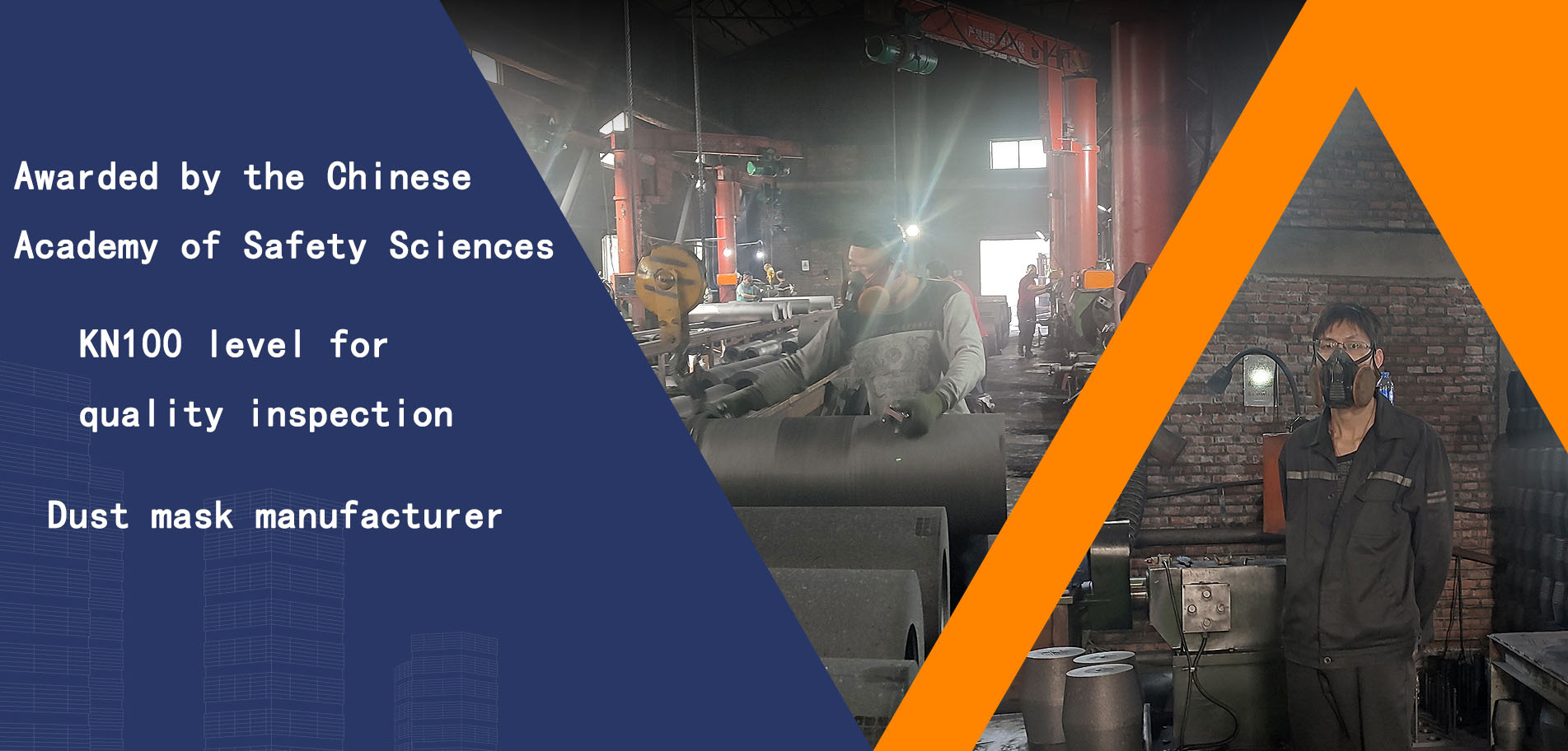
In numerous industrial settings such as mining, cement production, metal polishing, and stone processing, high-concentration dust poses a significant threat to the respiratory health of workers. Prolonged exposure to industrial dust can trigger irreversible occupational diseases like pneumoconiosis, severely impacting the quality of life. As a pivotal personal respiratory protection device, the high-concentration dust mask (hereinafter referred to as "dust mask") serves as the final and crucial line of defense, safeguarding workers' respiratory safety through its filtering and barrier functions against dust. Proper selection and utilization of dust masks are fundamental prerequisites for ensuring operational safety in high-dust environments.
The core value of dust masks lies in their ability to precisely intercept suspended dust particles in the air through standard-compliant filter materials and scientific structural design, especially fine dust particles that pose great harm to the human body (such as silica dust containing free silica, fibrous dust, etc.). The core basis for their protective effect is relevant national standards, which specify key indicators such as filtration efficiency and fit for particulate matter protection, providing an authoritative basis for the selection and use of dust masks.
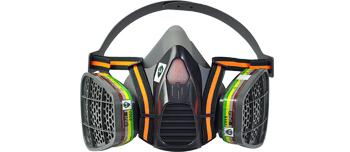
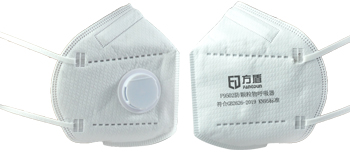
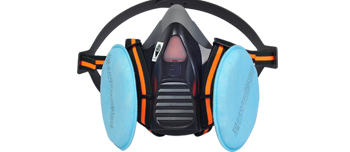
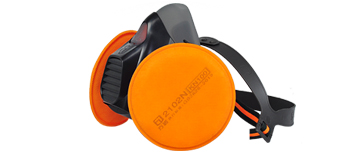
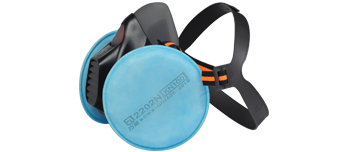
Based on different classification dimensions, dust masks can be divided into various types, suitable for different high-dust work scenarios: According to the mask structure, there are mainly three types: disposable masks, replaceable half-face masks, and full-face masks. Disposable masks are primarily composed of filter material, with a simple and lightweight structure. Some are equipped with exhalation valves to enhance breathing comfort. They do not require cleaning but cannot be reused; if any component fails, the entire mask needs to be discarded. They are suitable for short-term, intermittent high-dust work. Replaceable half-face masks separate the mask body from the filter cotton. The filter cotton can be replaced separately when it reaches dust saturation, and the mask body can be reused after cleaning. They offer better cost-performance ratio and are commonly chosen by workers who operate in high-dust environments for extended periods. Full-face masks can fully cover the mouth, nose, eyes, and chin. In addition to protecting the respiratory organs, they can also prevent dust from irritating and damaging the eyes. When paired with specialized filters, they are more suitable for high-concentration, highly toxic dust environments, such as silica dust and asbestos dust work scenarios.
Based on filtration performance, dust masks are primarily categorized into KN and KP types. KN masks specialize in filtering non-oily particulate matter, encompassing most industrial dust types such as coal dust from mining, cement production dust, and construction dust. Common filtration efficiency levels include KN90, KN95, and KN100, corresponding to filtration efficiencies of not less than 90%, 95%, and 99.97% for non-oily particulate matter larger than 0.075 microns, respectively. KP masks, on the other hand, can filter both oily and non-oily particulate matter, suitable for scenarios such as oil mist dust generated during metal machining and cutting, and oil fume dust from mechanical lubrication. They also offer different protection levels such as KP90, KP95, and KP100 for selection.
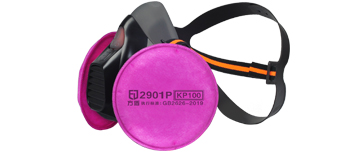
The scientific nature of selection directly determines the protective effect, necessitating precise judgment based on the dust concentration, dust type, and operation duration of the work scenario. For low to moderate concentrations of non-oily dust environments, such as ordinary building decoration and wood processing, disposable face masks of KN90 or KN95 grade can be selected; if the operation duration is long and the dust concentration is relatively stable, replaceable half-face masks paired with filter cartridges of the corresponding grade are more economical. For high-concentration non-oily dust environments, such as underground mining in mines and large-scale cement grinding, face masks of KN100 grade must be selected, with priority given to replaceable half-face masks or full-face masks. If the operation environment contains oily dust, KP-type face masks should be specifically selected, and it should be noted that KP-type filter cartridges have a relatively fast dust saturation rate, requiring a shortened replacement cycle. Additionally, the fit of the face mask is crucial to ensuring protective effectiveness. When selecting, it is necessary to ensure that the face mask fits tightly to the user's face without any leakage gaps. If necessary, a fit test can be conducted.
Correct use and regular maintenance are crucial to ensure that dust masks continue to provide effective protection. Before use, it is essential to carefully inspect the integrity of the mask, checking whether the filter cotton/filter element is intact, whether the sealing edge of the mask is damaged, and whether the exhalation valve is flexible and effective. When wearing the mask, adjust the tightness of the headband to ensure that the mask fits snugly on the face, avoiding any obstructions such as hair or beard that could compromise the seal. After putting on the mask, you can test its fit by conducting an "inhalation test": cover the mask and inhale. If the mask fits tightly on the face without any air leaks, it indicates that the fit is satisfactory. During use, if you feel a significant increase in breathing resistance, detect any unusual odor inside the mask, or observe any visible dirt or damage on the surface of the filter cotton, it is necessary to replace the filter cotton or the mask immediately.
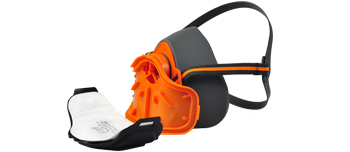
In terms of maintenance, the replaceable mask body needs regular cleaning. Wipe it with a mild detergent and let it dry, avoiding exposure to direct sunlight or high-temperature baking. Consumables such as filter cotton and filters should be stored in a sealed, dry, and clean environment to prevent moisture and contamination. Additionally, a usage log should be established to record the start time and replacement cycle of the mask, ensuring timely updates of consumables. It is important to note that dust masks are personal protective equipment and should not be shared to avoid cross-contamination. After use, the mask should be properly stored in a dedicated storage bag, away from dusty and oily environments.
In addition, the protective effect of dust masks cannot be achieved without correct usage habits. Operators must avoid behaviors such as "not wearing a mask for convenience" and "wearing it irregularly". At the same time, enterprises should strengthen training for operators to enable them to master the methods of mask selection, wearing, inspection, and maintenance. Regular monitoring of dust concentration in the working environment should be carried out, and the level of protection should be adjusted in a timely manner based on the monitoring results, in order to form a complete protective closed loop of "scientific selection, standardized use, and proper maintenance".
In summary, in high industrial dust environments, dust masks are the "lifeline" for safeguarding respiratory health. Only by fully understanding their classification characteristics, accurately matching the work scenarios, and strictly regulating their use and maintenance, can we maximize their protective effect and build a solid defense for the respiratory safety of industrial workers.