English
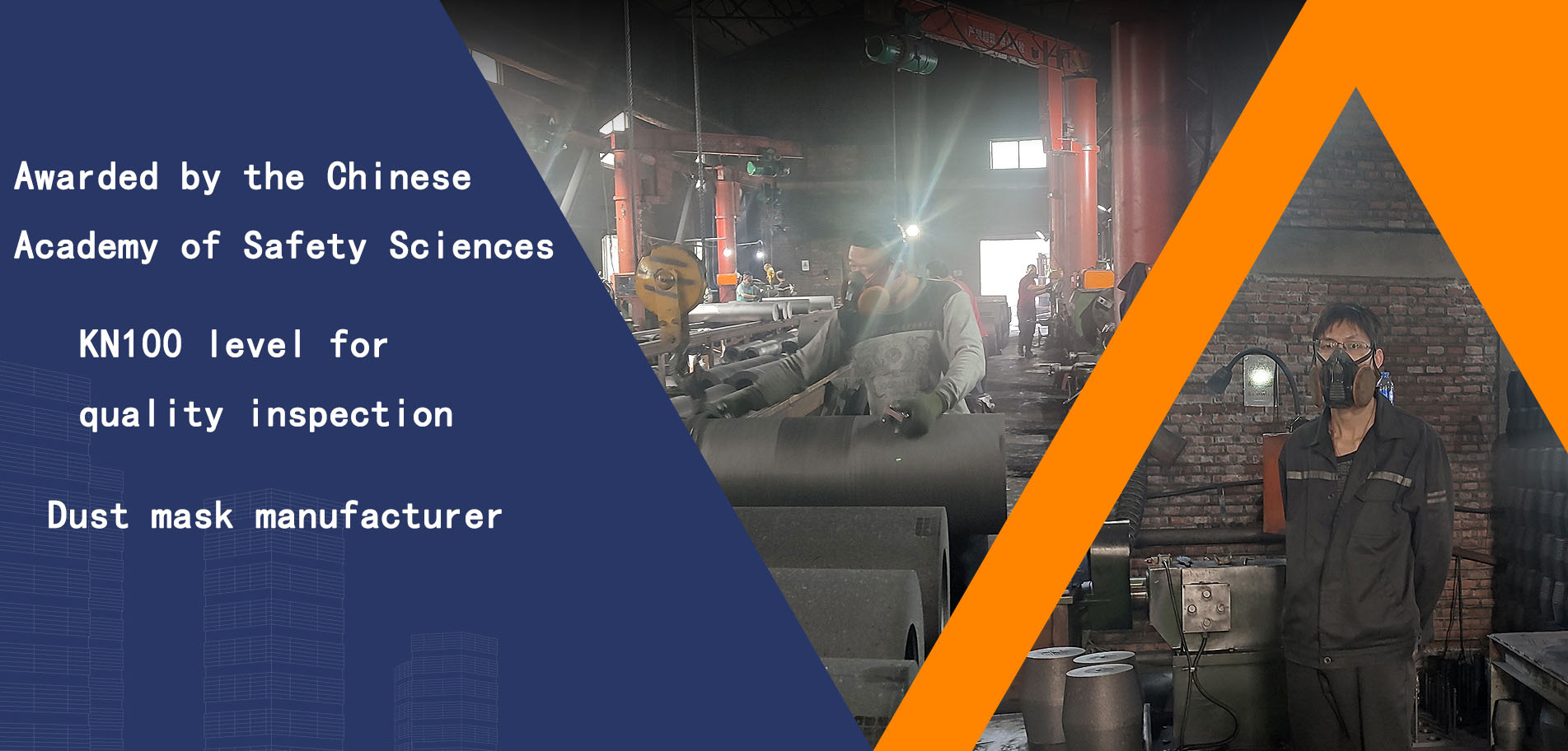
The environmental protection and waste disposal industry serves as a crucial line of defense for safeguarding the ecological environment. Practitioners toil day in and day out in core positions such as garbage incineration, sewage treatment, and hazardous waste disposal, exchanging their hard work for a cleaner environment. However, in these operational settings, various toxic gases lurk like invisible killers, constantly threatening the life and health of the workers. As the core equipment for individual respiratory protection, gas masks serve as the "first barrier" against the invasion of toxic gases. Their reasonable selection, correct use, and standardized management are crucial foundations for ensuring safe production in the industry.

In the entire chain of waste disposal, the generation of toxic gases is both ubiquitous and concealed, featuring complex compositions and strong toxicity. During landfilling and incineration processes, odoriferous and toxic gases such as hydrogen sulfide and ammonia, as well as flammable, explosive, and asphyxiating gases like methane and carbon monoxide, are produced. Incineration may also generate highly toxic substances like dioxins and volatile organic compounds (VOCs). Areas such as anaerobic tanks, sludge digestion tanks, and grating rooms in wastewater treatment plants are high-risk zones for hydrogen sulfide. This gas, known as the "number one killer," can cause eye and nose irritation at low concentrations and can lead to respiratory paralysis and even "lightning-fast death" within seconds at high concentrations. Furthermore, during hazardous waste disposal, highly toxic gases like chlorine and cyanide may be generated, and chemical residual gases produced in processes like plastic cleaning can also render a person unconscious in a short period of time. The presence of these gases makes professional gas masks indispensable "life-saving equipment" for practitioners. Whether it's for crane operators feeding materials into the incineration line or workers entering confined spaces for sludge cleaning, wearing a professional gas mask is a safety standard that must be strictly adhered to.
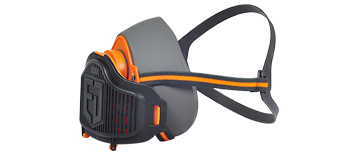
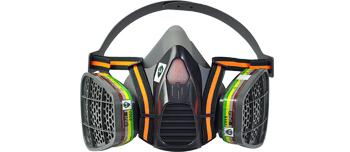
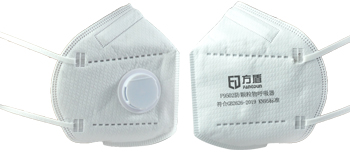
To effectively utilize the protective efficacy of a gas mask, the primary prerequisite is scientific selection. In different work scenarios, the composition and concentration of toxic gases vary significantly, and the corresponding protective needs are also different. Blind selection will only leave potential safety hazards. For low-concentration dust and ordinary toxic gases generated during conventional household waste disposal, a filtered half-face mask can meet basic protective needs; whereas in scenarios involving hazardous waste disposal, high-concentration hydrogen sulfide, or cyanide, a full-face mask with a higher filtration level must be selected to ensure comprehensive protection for the face and respiratory tract. If the work environment poses an oxygen deficiency risk, filtered gas masks will be ineffective. In such cases, an isolated respirator should be used to ensure respiratory safety through independent air supply. Additionally, the selection of gas filter cartridges (boxes) must precisely match the type of toxic gas. For example, organic gases, acidic gases, ammonia, etc., require dedicated gas filter cartridges, and it is necessary to confirm that they are within their effective period and free from damage, rust, or other issues.
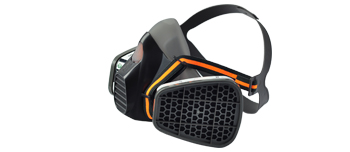
Correct wearing and use are crucial for the effectiveness of a gas mask. Any operational oversight may lead to loss of protection. Before wearing, ensure facial cleanliness and remove factors affecting fit, such as beards and long hair. When wearing, adjust the headband tightness to ensure the mask fits tightly to the face, especially ensuring no gaps at the nose bridge, cheeks, chin, and other areas. After wearing, a fit test must be conducted. Commonly used negative pressure testing (block the air inlet and inhale, the mask should collapse and have no air leaks) and positive pressure testing (block the exhalation valve and exhale, the mask should inflate and have no air leaks) are necessary steps to verify the effectiveness of protection. During operation, constantly monitor changes in respiratory resistance and physical sensations. If breathing becomes difficult, dizziness or nausea occurs, or a toxic odor is detected, immediately evacuate to a safe area, troubleshoot the mask or replace the filter canister. Additionally, it is strictly prohibited to remove the mask in a contaminated environment, to avoid direct exposure to toxic gases.

Standard maintenance and management can extend the service life of gas masks and ensure they are always in a usable state. After each use, the mask should be removed in a safe area to avoid contact with contaminated external surfaces; then, the inside and outside of the mask should be cleaned with neutral soap water, the lenses wiped clean, and disinfected if necessary to prevent cross-contamination. When storing, the mask should be placed in a dry, clean, and ventilated environment, avoiding direct sunlight, high temperatures, or corrosive gas erosion. The mask should be hung or placed on a dedicated support to prevent deformation from pressure. The canister should be stored sealed and away from factors that cause failure. In addition, enterprises should establish a regular inspection and disposal system. For masks with cracks, aging, loss of elasticity in the headband, damaged valves, or other issues, or those that fail to meet protective performance standards after testing, they should be promptly discarded and disposed of in a standardized manner, and must not be used further.
In the toxic gas protection system of the environmental protection and waste disposal industry, gas masks are not an isolated protective measure. They need to be coordinated with measures such as environmental monitoring, ventilation, and safety training. Enterprises should install toxic gas monitoring equipment in high-risk areas to achieve real-time early warning; optimize the ventilation conditions of the work environment to reduce the concentration of toxic gases; regularly conduct training on the use of gas masks and emergency drills to enhance the capabilities of employees in model selection, wearing, emergency response, and other aspects. Only by organically combining the standardized use of personal protective equipment with systematic safety management can a comprehensive safety protection network be established.

Practitioners in the environmental protection and waste disposal industry are truly guardians of the ecological environment, and their safety and security are essential prerequisites for the sustainable development of the industry. As the "first barrier" safeguarding lives, the scientific selection, correct use, and standardized management of gas masks are directly related to the life and health of practitioners.
Industry enterprises need to strengthen their awareness of safety responsibilities and further improve the management system of protective equipment; practitioners, on the other hand, must strictly adhere to operational norms to ensure that gas masks effectively exert their protective efficacy. Only in this way can we safeguard the cleanliness of the environment while also strengthening the line of defense for practitioners' lives, and propel the industry to steadily advance on a safe and healthy track.