English
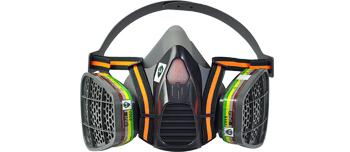
The pharmaceutical and pesticide production industries involve a large number of chemical reagents and active pharmaceutical ingredient (API) syntheses, and hazardous factors such as toxic and harmful gases, vapors, and dust are prevalent in the working environment. Most of these harmful substances are hidden and cumulative, and long-term exposure to them can easily lead to occupational poisoning, respiratory diseases, and even cancer. As targeted personal protective equipment, gas-filtering masks can block harmful substances from entering the respiratory tract through the adsorption or chemical reaction of the gas-filtering components, serving as a crucial line of defense for safeguarding the life and health of employees.
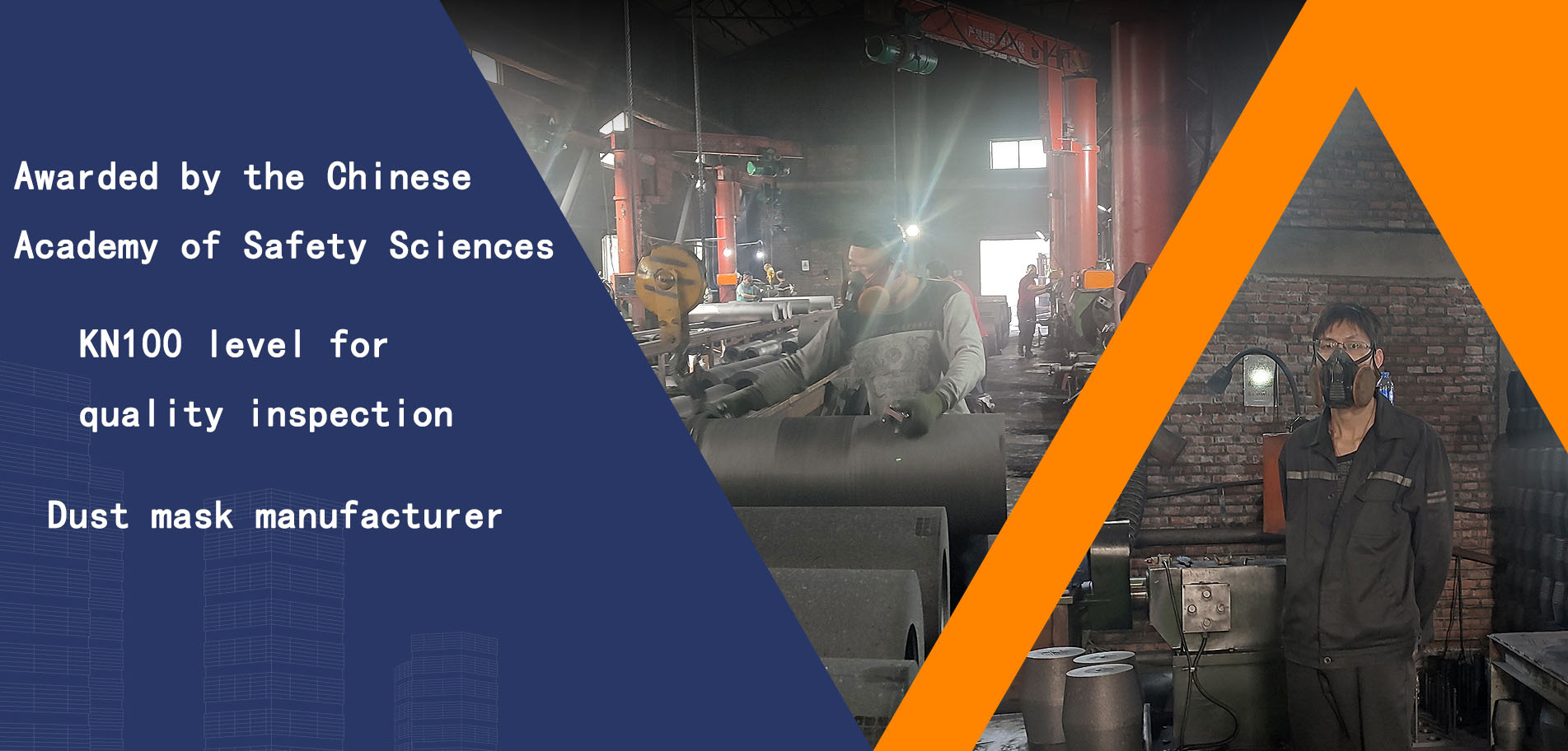
The hazardous characteristics of the pharmaceutical and pesticide production environments necessitate the wearing of gas masks. In the pharmaceutical sector, processes such as drug synthesis and reagent preparation generate harmful substances like organic vapors, volatile gases of strong acids and alkalis, including penicillin intermediates, ethylenediamine, and formaldehyde. Some of these substances can also act as allergens, triggering severe conditions like occupational asthma. In pesticide production, the synthesis of active ingredients and formulation processing release toxic vapors like organophosphorus and pyrethroids, along with dust containing heavy metals. These substances are highly toxic; short-term exposure to large quantities can lead to acute poisoning, while long-term low-dose exposure can damage the nervous system and hematopoietic function. There have been cases where workers experienced symptoms of poisoning, such as chest tightness and shortness of breath, after orchards were sprayed with herbicides containing the illegal additive paraquat, highlighting the importance of protection in pesticide production, processing, and use.

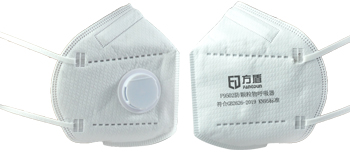
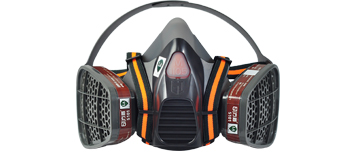
Scientifically selecting a gas mask is the premise for ensuring protective effectiveness. The principle of "prescribing the right remedy for the right illness" should be followed, with precise selection based on the type of harmful substances in the work environment. For organic vapors commonly encountered in pharmaceutical processes, a gas filter cartridge capable of filtering organic gases can be selected; if acidic gases are present, a gas filter cartridge capable of filtering acidic gases should be used. In pesticide production, if organic phosphorus vapors are predominant, targeted protective gas filter components should be selected; if dust is also present, a combined equipment with both gas filtering and particulate matter prevention functions should be chosen. At the same time, it is necessary to ensure that the gas mask meets national standards and fits tightly to the wearer's face. The airtightness can be confirmed through negative pressure or positive pressure inspection to prevent harmful substances from infiltrating through gaps. For personnel with long hair, beards, or other factors affecting fit, an open-type face mask suitable for them should be selected.

Standardized use and management are key to extending the effective period of protection. Filter masks cannot be used indefinitely. When there is an odor, a significant increase in respiratory resistance, or when the preset replacement time is reached, they must be replaced immediately to avoid protection failure due to saturation and failure of the filter elements. Employers should establish a comprehensive management system for protective equipment, clarify the responsibility for equipment allocation, regularly inspect the work environment, and dynamically adjust the protection plan according to the degree of hazard. At the same time, it is necessary to strengthen the training of employees to ensure that they master the correct methods of selecting, wearing, inspecting, and replacing filter masks, and abandon the concept of "emphasizing production and neglecting protection".
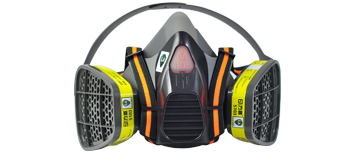
It should be noted that gas-filtering masks are only suitable for environments with an oxygen concentration of ≥19.5% and harmful substance concentrations within the rated limits. In scenarios of hypoxia or high-concentration harmful substances, it is necessary to switch to positive pressure air breathing apparatus or other isolating protective equipment. In the production processes of pharmaceuticals and pesticides, engineering protection and personal protection should be combined. By implementing engineering measures such as closed equipment and ventilation and detoxification, the hazardous concentration can be reduced, and then matched with suitable gas-filtering masks to form a comprehensive protective system.
Respiratory safety is a fundamental right of employees. As the "respiratory guardians" in pharmaceutical and pesticide production, the correct selection and standardized use of respirators are crucial. Employers must fulfill their primary responsibilities, and employees should enhance their awareness of protection, so that respirators can truly serve as a barrier and safeguard the occupational health line.