English
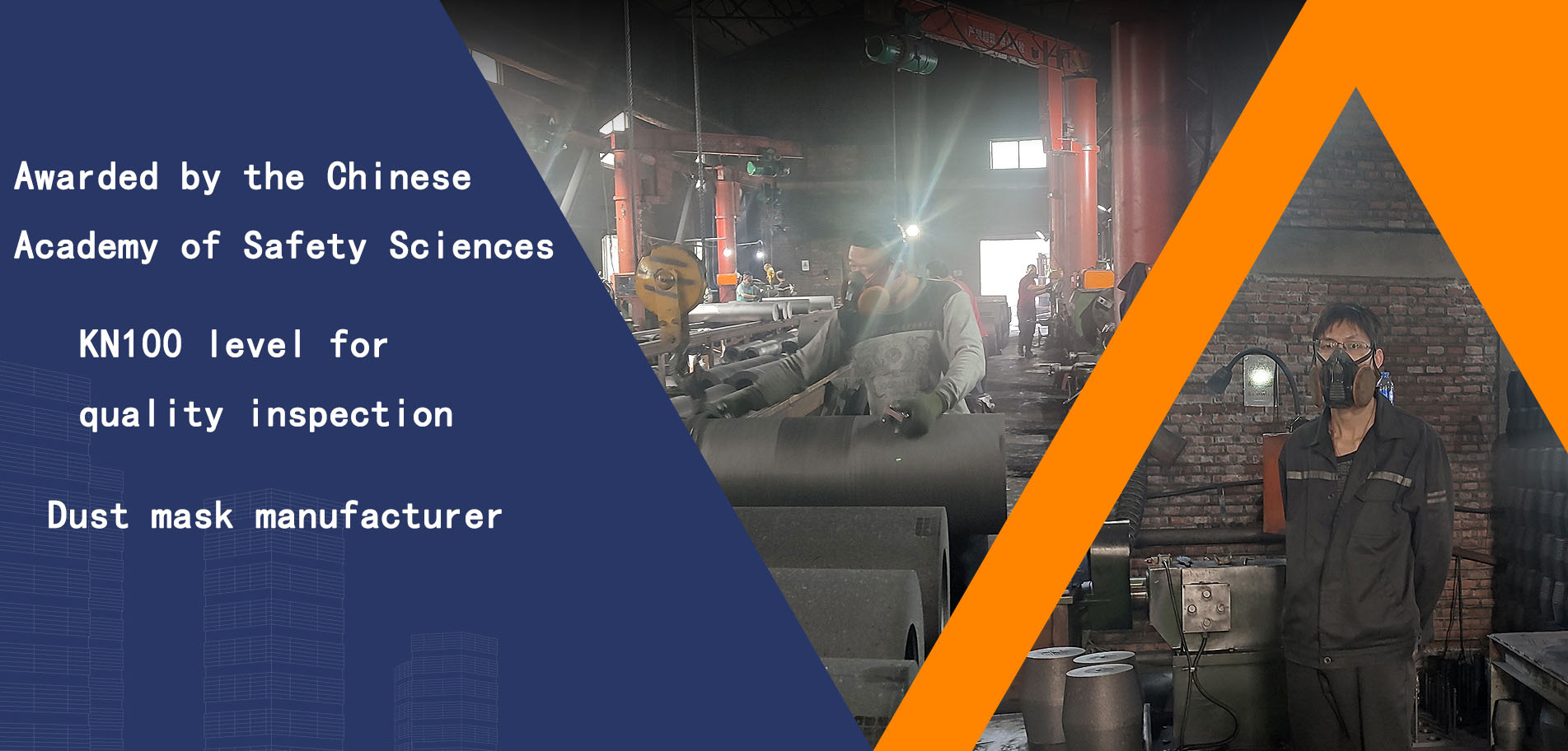
In dusty working environments, shotcreting operations are widely used in various fields such as construction and mining, serving as a crucial process for ensuring project quality. Shotcreting workers are always stationed at the forefront of the project. However, during the operation process, a large amount of dust, primarily composed of cement and sand, is generated, including a significant amount of fine dust containing silica. Long-term inhalation can easily lead to irreversible occupational diseases such as pneumoconiosis. These invisible particles are the invisible killers that threaten the respiratory health of shotcreting workers, and in severe cases, they can even endanger their lives.

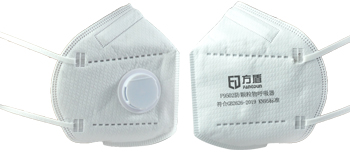
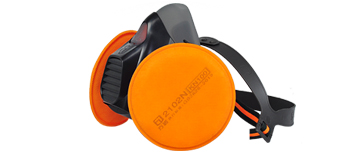
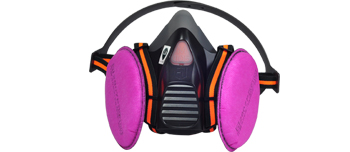
The dust mask serves as the final crucial line of respiratory protection for shotcreting workers. A suitable dust mask is not just a piece of protective equipment, but also a guardian of the workers' life and health. When choosing a dust mask, it is categorized into KN and KP types based on filtration performance. For the high-concentration fine dust generated during shotcreting operations, ordinary masks simply cannot provide effective protection. The KN type is specifically designed for filtering non-oily particulate matter, fully adapting to the cement dust, sand dust, and other particles generated during shotcreting operations. The KP type is suitable for scenarios where oily and non-oily particulate matter are mixed, such as in machining environments with oil mist. It is not necessary to use this type for shotcreting operations.

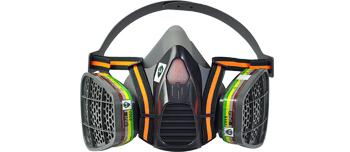
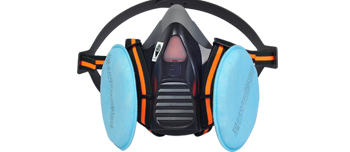
No matter how advanced the filtering material of the mask is, if it is not sealed tightly and has no leakage gaps, dust will enter the respiratory tract through these gaps, reducing the protective effect. When selecting a mask, choose the appropriate size based on your face shape. After wearing, conduct a fit test. Some masks are also equipped with soft sponge sealing pads to further enhance the sealability. Before each wear, the shotcrete worker should conduct a negative pressure test: cover the filter cotton with the palm of your hand and inhale, feeling whether the mask collapses and checking whether air leaks in from the edges.
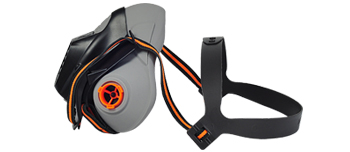
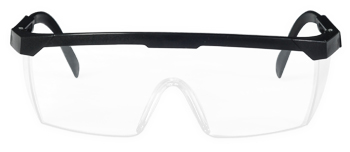
Shotcreting operations often last for a long time, so the comfort of the face mask cannot be ignored. Lightweight design can reduce the burden on the neck; a wide headband can distribute pressure and avoid discomfort caused by long-term wear; and a low respiratory resistance design ensures smooth breathing during operation and reduces fatigue. In addition, some face masks are equipped with cold flow exhalation valves, which can quickly exhaust hot and humid air and prevent lens fogging, making them particularly practical in work environments where protective glasses are also required.
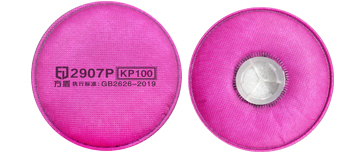
The maintenance of dust masks is equally important. The replaceable filter cotton design is not only economical and practical, but also ensures consistent protective effect. The replaceable mask body needs to be wiped with a mild detergent and dried regularly, avoiding exposure to direct sunlight; consumables such as filter cotton should be stored in a sealed, dry and clean environment to prevent moisture and contamination. As personal protective equipment, masks cannot be shared and must be stored in a dedicated storage bag after use.
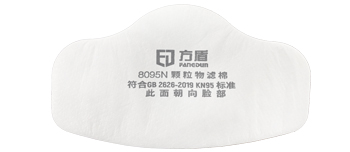
The uniqueness of the shotcrete operation environment dictates that dust masks are not optional accessories, but essential equipment for safeguarding occupational health. Shotcrete workers should follow the principles of "meeting standards, adapting to levels, and fitting the structure" when choosing dust masks. They should prioritize KN masks of KN95 or higher grade, with KN100 being the preferred choice for high-concentration environments. By selecting the appropriate structural type and using and maintaining them in a standardized manner, they can truly establish a strong line of defense for respiratory health. Every shotcrete worker should establish a "protection first" awareness, correctly select, wear, and maintain dust masks, so that every breath is protected.