English
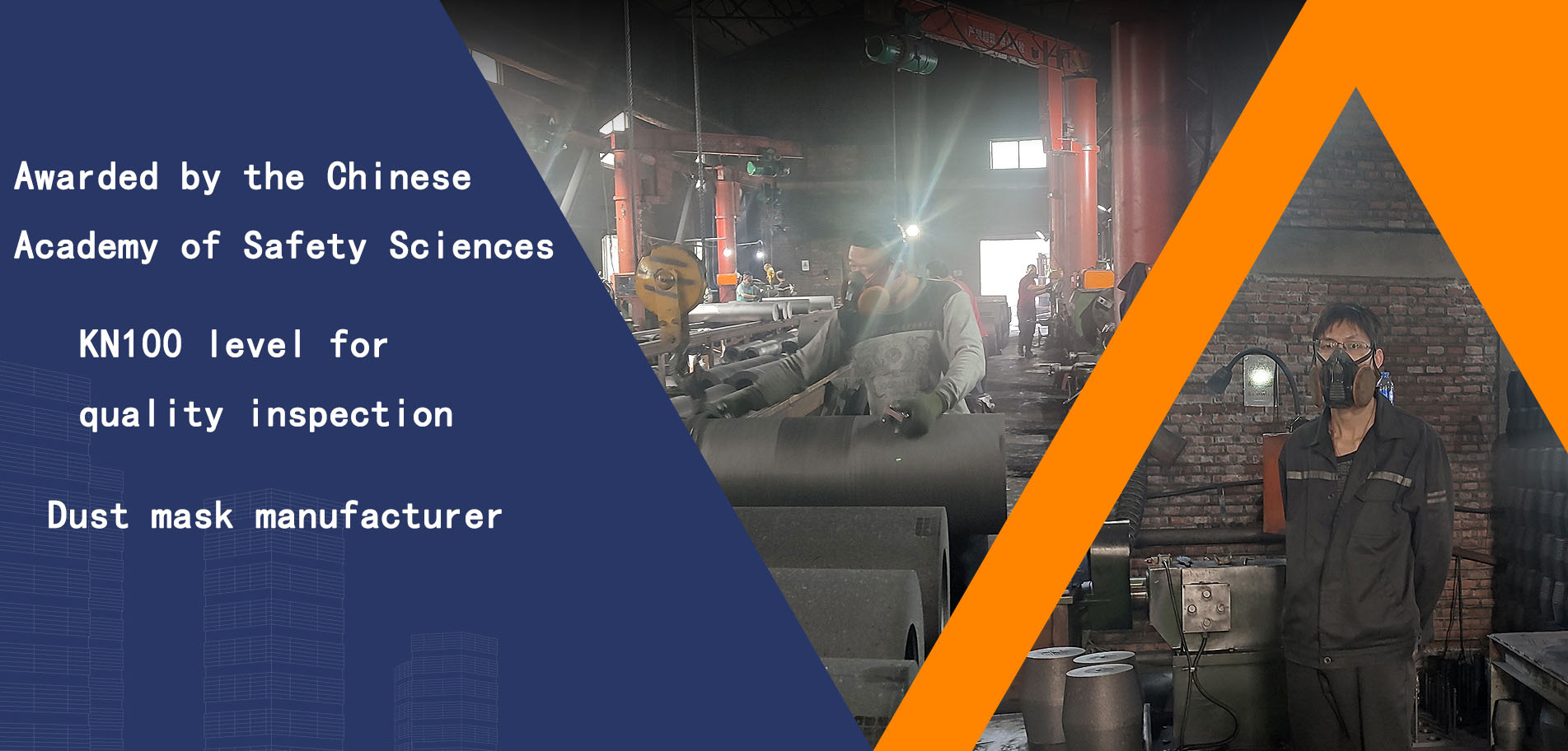
In the production system of the metallurgical industry, chlorine gas, with its strong oxidizing chemical properties, plays an irreplaceable role in key processes such as precious metal extraction and purification, metal surface etching, and passivation. As an important industrial raw material, chlorine gas plays a crucial role in non-ferrous metal smelting, metal chloride preparation, and certain refining processes. However, this yellow-green, highly irritating, and toxic gas poses a serious threat to the life and health of workers in case of leakage or improper protection.
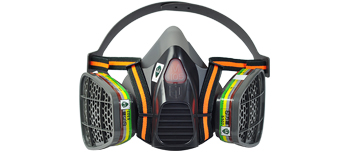
During the smelting of precious metals such as gold and platinum, chlorine gas can react with impurity metals in ores to form soluble chlorides. Through leaching and filtration, impurity separation can be achieved, significantly enhancing the purity of precious metals. When chlorine gas is used for passivation treatment of stainless steel, it can also form a dense oxide film on the metal surface, enhancing corrosion resistance and prolonging service life. However, the highly toxic nature of chlorine gas makes it a dangerous chemical that must be strictly controlled in metallurgical operations, and wearing a gas mask is a core protective measure to ensure the safety of operators.
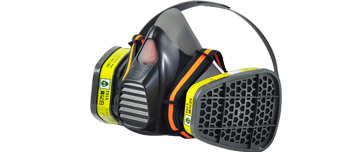
The hazardous properties of chlorine gas underscore the urgency of protection in metallurgical operations. As a yellow-green gas with a strong irritating odor, chlorine gas has a higher density than air, making it prone to accumulate at the bottom of the work environment after leakage, forming a persistent toxic area. In metallurgical work scenarios, situations such as equipment leaks, pipeline seal failures, and maintenance disturbances can all lead to chlorine gas leakage. If leakage occurs and operators are not wearing protective equipment, they will immediately experience irritation of the eyes and upper respiratory tract, manifested as photophobia, tearing, sore throat, and coughing; high-concentration exposure can also rapidly cause symptoms of pulmonary edema such as chest tightness, shortness of breath, retrosternal pain, and difficulty breathing, even leading to asphyxiation and death. Long-term exposure to low-concentration chlorine gas increases the risk of respiratory diseases such as chronic bronchitis and bronchial asthma, and may also cause symptoms of neurasthenia such as fatigue and dizziness, as well as skin acne-like rashes, seriously affecting the long-term health of operators.
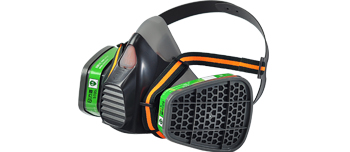
The safe development of the metallurgical industry has always been centered on safeguarding the health and safety of personnel. The high risk associated with chlorine operations necessitates that enterprises and operators maintain a constant vigilance regarding safety precautions. A gas mask is not merely a protective tool; it serves as a "lifeline" against the hazards of chlorine. Only by fully understanding the dangerous properties of chlorine, strictly enforcing the wearing and management requirements of gas masks, and integrating protective measures into the entire operation process, can we effectively mitigate the risk of chlorine poisoning and establish a solid safety foundation for the smooth operation of the metallurgical industry.