English
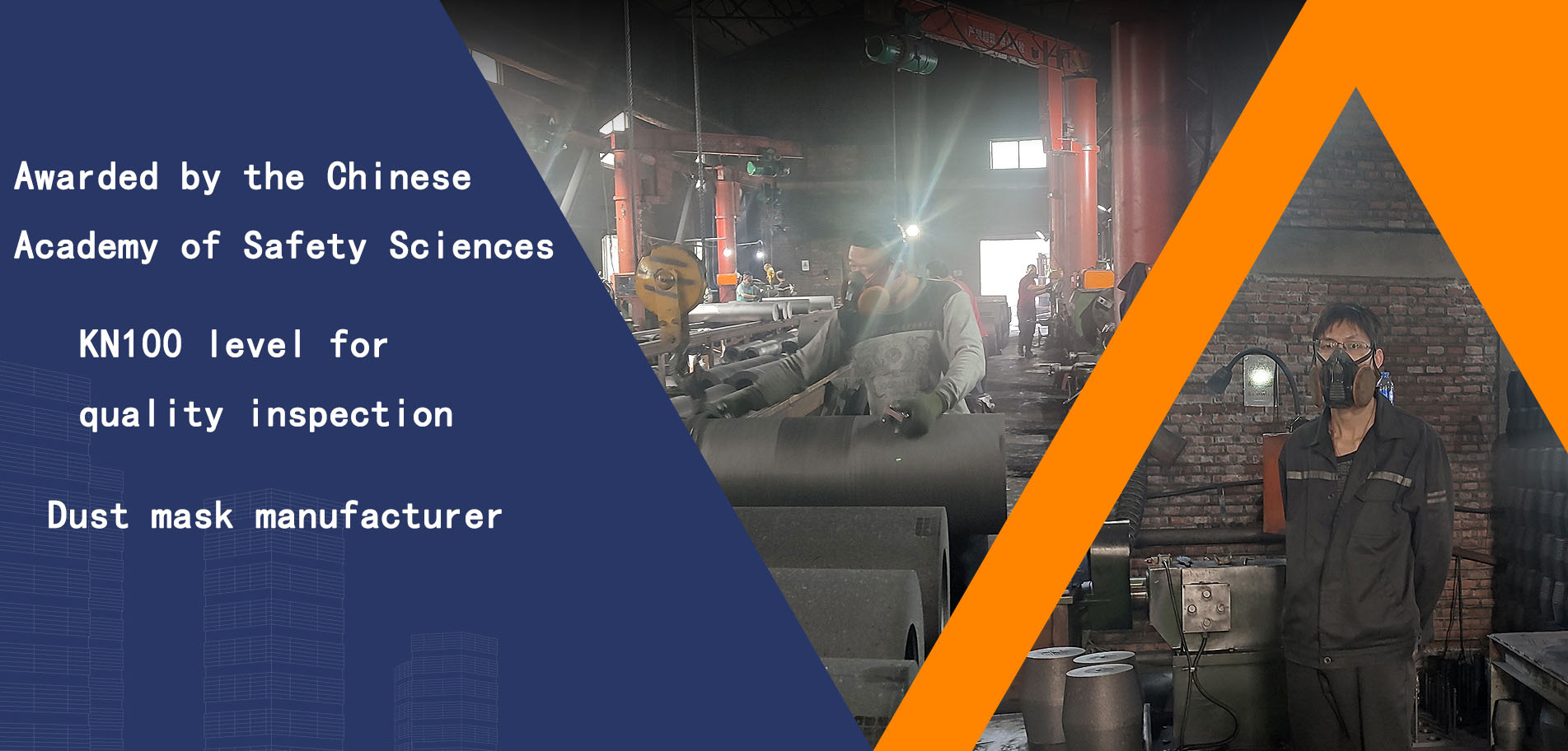
In the dark and deep underground tunnels, the figures of coal workers shuttle through with the roar of machines, and the tools in their hands awaken the dormant Wujin, delivering core energy for social development. The 'enemy' here is so small that it cannot be detected by the naked eye, but it can quietly invade the human body - this is the dust in the coal mine.
In this heavy set of homework equipment, masks may seem inconspicuous, but they are the "first line of defense" to protect the lives and health of workers. Dust hazards are the core reason why coal workers wear masks. During the process of coal mining, a large amount of dust is generated at every step such as excavation, blasting, coal mining, and transportation. Long term exposure to such an environment can cause serious damage to the respiratory system of workers.
When workers inhale these dust particles, they will adhere to the respiratory mucosa, and long-term accumulation can lead to a series of respiratory diseases. Coal worker pneumoconiosis is one of the most common occupational diseases. This disease is caused by long-term inhalation of coal dust, leading to gradual fibrosis of the lungs and ultimately difficulty breathing. According to the World Health Organization, tens of thousands of miners worldwide lose their ability to work due to pneumoconiosis every year.
Even more dangerous is that some coal mines may contain quartz dust, which is the main cause of silicosis and is more harmful than ordinary coal dust. In addition to dust, the complex gas environment underground also requires mask protection. During coal mining, harmful gases such as methane, carbon monoxide, and hydrogen sulfide are released from the geological strata.
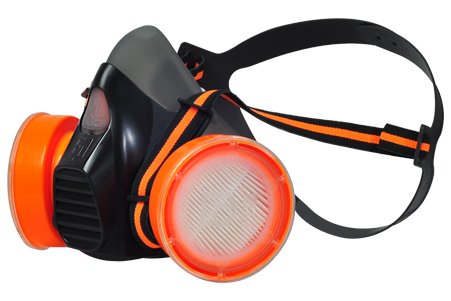
Although the mine is equipped with ventilation equipment and gas detection instruments, there may still be fluctuations in gas concentration in local areas of the working face. Masks with corresponding protective functions can have a certain filtering or adsorption effect on these harmful gases, reducing the harm of gases to the human body and adding a layer of protection for workers' respiratory safety. For coal workers, masks are not only personal protective equipment, but also an important component of the coal mine safety production system.
Coal mining enterprises always prioritize the health of workers and require workers to wear masks in a standardized manner. This is not only a basic requirement for complying with safety production regulations, but also a concrete manifestation of practicing the "people-oriented" concept. Every coal worker should wear a mask in a standardized manner, which is not only responsible for themselves and their families, but also the foundation for ensuring the smooth and orderly production of coal.
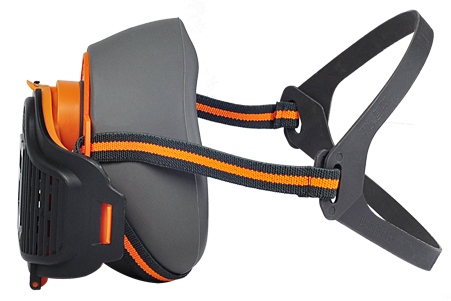
The mining of Wujin cannot be separated from the hard work of coal workers, and protecting their health is the only way to make this effort more meaningful. Although masks are small, they carry the important responsibility of protecting the lives and health of coal workers, and are an indispensable "life barrier" for them in underground operations. Valuing the standardized use of masks is not only about valuing the safety of every coal worker, but also an important guarantee for the high-quality development of the coal industry.
With the increasing awareness of mining safety, wearing masks has shifted from passive compliance with regulations to a part of active health management. More and more coal miners are realizing that those small masks carry not only the safety responsibility of the enterprise, but also a commitment to their own and their families' future. In mining areas, we often hear the saying: "Masks are not restraints, but freedom - the freedom to work healthily and return home safely