English
In front of the nail art station where light and shadow dance, colorful bottles and jars, exquisite decorative tools, and professional nail artists together form a breathtaking scene. However, in this space that creates beauty, there are some health risks that cannot be ignored, especially the harm to the respiratory system. For nail artists who are exposed to various chemicals and fine particulate matter every day, understanding and implementing effective respiratory protective measures is as important as honing their superb skills.
Chemical volatiles are the primary source of risk in the nail art process. Products used in nail art operations, such as gel polish, nail polish remover, acrylic gel, and base coat, generally contain chemical components such as acetone, formaldehyde, toluene, and acrylates. These substances continuously volatilize during use and curing, forming irritating gases. Short-term inhalation may cause discomfort symptoms such as itchy nose and throat, dizziness, and nausea; long-term chronic exposure may damage the respiratory mucosa, induce chronic rhinitis, asthma, and other diseases, and even increase the risk of neurological damage and cancer. Relevant research in the United States has shown that the incidence of respiratory diseases among nail artists is three times higher than that of the general working population, and the core cause is long-term exposure to such chemical volatiles.
During nail polishing, shaping, and the use of electric sanders to process nail tips or artificial nails, a large amount of fine dust that is difficult to detect with the naked eye is generated. This dust mainly consists of nail clippings, acrylic powder, gel particles, etc. Inhalation may irritate the nasal cavity, throat, and lungs, and long-term accumulation may cause respiratory discomfort or allergic reactions. Prolonged accumulation may lead to pulmonary fibrosis, triggering symptoms such as coughing and chest tightness, and in severe cases, may induce pneumoconiosis or pulmonary nodules. Especially in workstations with poor ventilation conditions, the combination of dust and chemical volatiles further increases the risk to respiratory health.
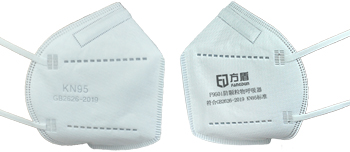
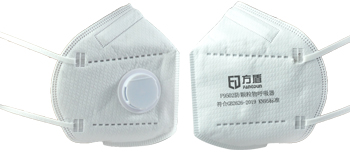
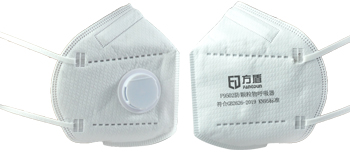
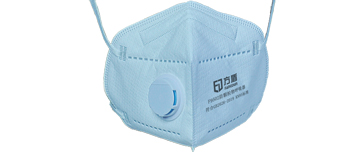
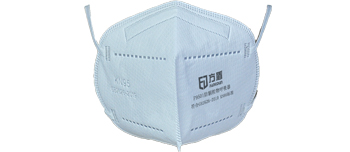
Different nail art operation scenarios present varying types of risks, necessitating distinct protective equipment needs. Ordinary medical masks or cloth masks offer little protection against chemical gases and can only block some large dust particles, failing to meet the professional protective requirements of nail artists. To achieve effective protection, it is essential to precisely select professional protective equipment based on the operation scenario. For scenarios dominated by dust, such as nail polish removal, sanding, and shaping, KN95 or higher grade dust masks should be chosen. These masks have a filtration efficiency of not less than 95% for non-oily particulate matter, effectively blocking tiny particles like nail debris and acrylic powder. If prolonged wear is required, opt for models with breathing valves, which can reduce the stuffiness during exhalation and enhance wearing comfort. However, it is important to note that breathing valves do not compromise the protective effect and merely optimize the breathing experience.
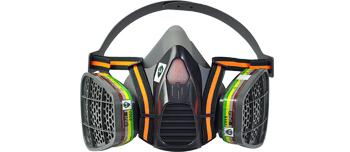
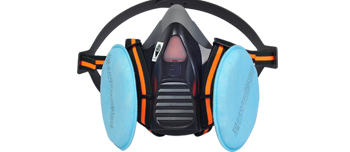
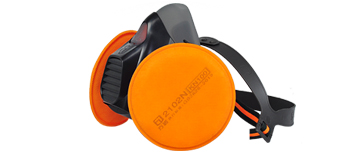
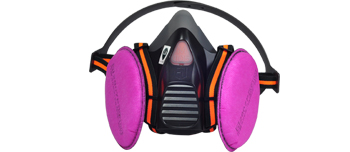
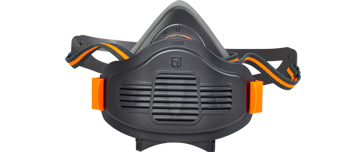
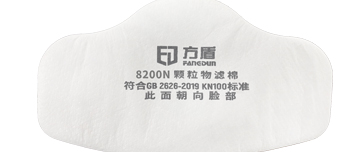
For scenarios primarily involving chemical volatiles, such as applying nail gel, using nail polish remover, or performing crystal extensions, it is necessary to choose protective equipment with organic vapor filtration capabilities. It is recommended to use half-face protective equipment paired with an organic vapor-resistant filter cartridge, which can specifically filter common harmful gases such as formaldehyde, toluene, and acetone. If the work environment has strong chemical odors, or if protection against both dust and chemical gases is required, full-face protective equipment can be chosen. Its full-face design can protect both the respiratory tract and eyes, providing more comprehensive protection. It is important to note that a simple KN95 mask can only protect against dust and cannot filter chemical gases, and therefore cannot be used in scenarios involving long-term exposure to chemical volatiles.
When selecting, it is also important to pay attention to the fit of the equipment. If there is a gap between the protective equipment and the face, harmful gases or dust can infiltrate through the gap, rendering even the best filter material useless. It is recommended to choose a style with soft material and a design that fits Asian faces. Before wearing, try it on to confirm the fit, ensuring that the mask fully covers the mouth, nose, and chin.
The hands of nail technicians bring beauty and agility to fingertips, while a healthy respiratory system serves as the cornerstone for the long-term development of this profession. Respiratory protection is not an unnecessary burden, but rather a responsibility towards one's own health. From scientifically selecting protective equipment, standardizing the wearing and replacement, to optimizing the working environment and developing good habits, every detail plays a role in safeguarding respiratory health. It is hoped that every nail technician can attach importance to respiratory protection, integrate protective awareness into every aspect of daily work, and while creating beauty, also protect their own health, so that this profession, which is accompanied by beauty, can have a longer and more reassuring future.