English
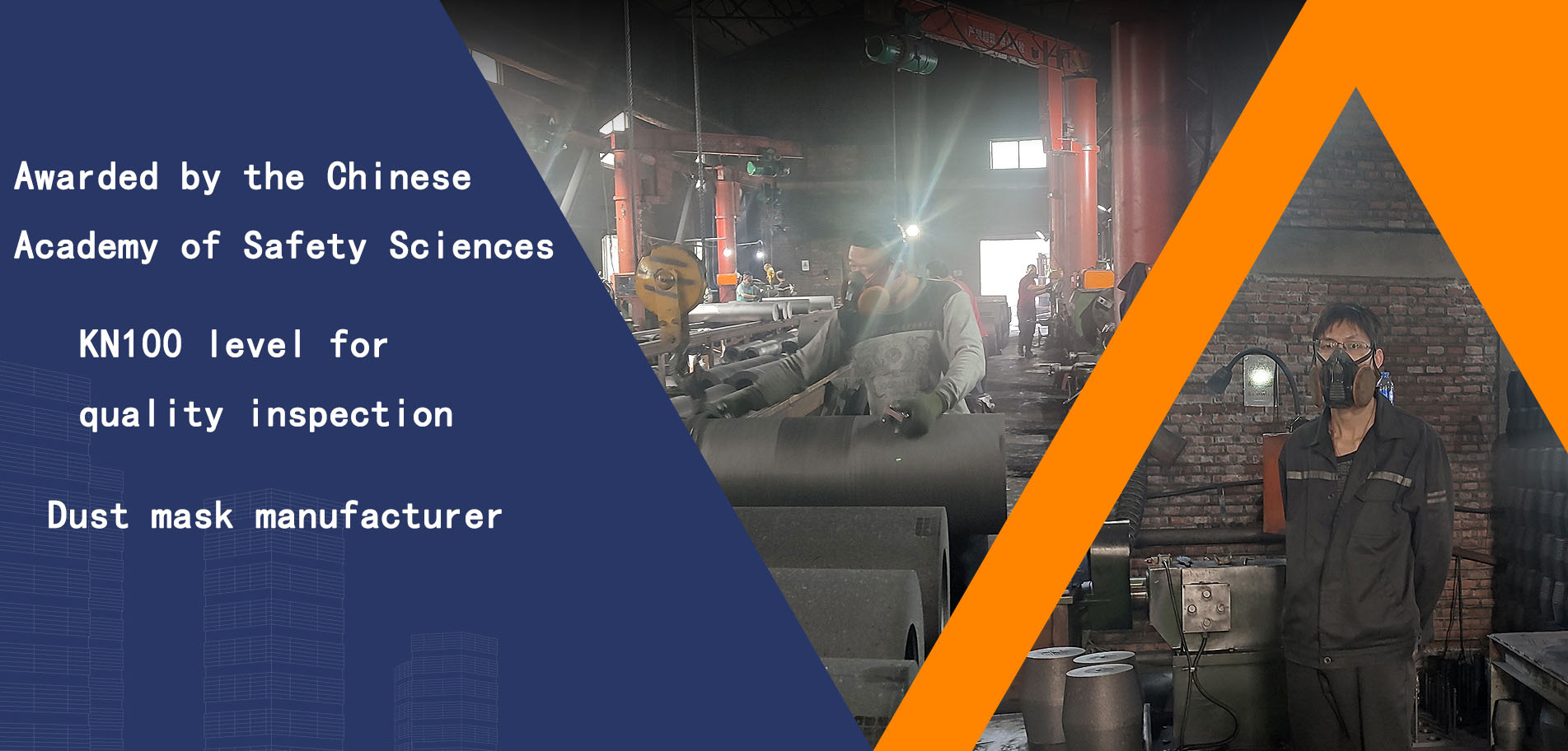
The mine rescue environment is complex and ever-changing, facing multiple risks such as toxic and harmful gases, dust, and smoke. As the first line of defense for rescue personnel, the choice of protective masks is directly related to the success of rescue operations and the safety of rescue personnel. Mine rescue differs from regular operational protection, with characteristics such as high pollutant concentration, complex gas composition, enclosed space, and high operational intensity. Therefore, protective masks must meet the following requirements.
It is necessary to simultaneously resist multiple pollutants such as dust, toxic and harmful gases, and smoke, to avoid the inability to cope with complex risks due to a single protective function. The concentration of pollutants in the mining environment is usually high, especially dust and smoke particles. The mask must have high filtration efficiency to ensure that the air entering the respiratory system meets safety standards. The air circulation in underground spaces is poor, and toxic and harmful gases are prone to accumulate. The fit of the mask to the face must be high enough to prevent pollutants from leaking through gaps, which would affect the protective effect.
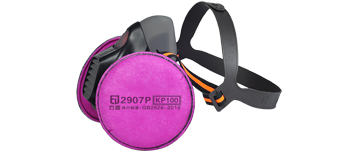
Rescue workers need to work for long periods of time with high intensity, so the masks they wear must have good respiratory resistance control ability to reduce the burden on breathing. At the same time, the material should be breathable and comfortable to avoid affecting work efficiency due to stuffiness and oppression. During rescue operations, workers may encounter situations such as collisions, friction, and dampness, so the masks must have a certain mechanical strength, and the filter material should maintain stable protective performance in complex environments such as high temperature and high humidity.
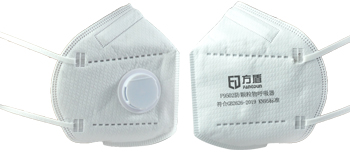
Filtration efficiency is the core indicator for measuring the ability of masks to block pollutants. For mine rescue scenarios, it is necessary to prioritize the selection of high-grade filtration products. For dust and non-oily particulate matter, one can refer to the filtration efficiency levels specified in relevant standards and give preference to products with a filtration efficiency of not less than 95%. If there is oily smoke in the environment (such as smoke generated by underground fires), it is necessary to choose masks with the ability to filter oily particulate matter to prevent the filtration material from becoming ineffective due to clogging caused by oily pollutants.
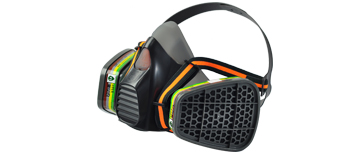
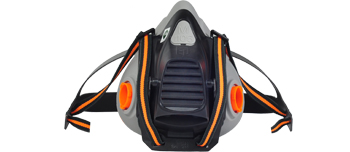
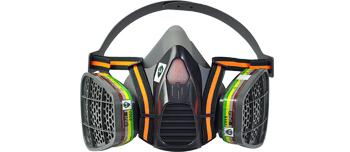
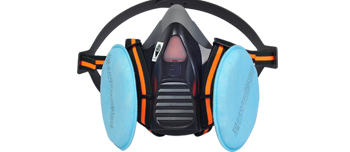
If the pollutants in the mining environment are complex, including a large amount of smoke particles, carbon monoxide, carbon dioxide, and other toxic and harmful gases, and the environmental temperature is high, the following recommendations for model selection are provided: Choose a composite protective mask with high temperature resistance that can efficiently filter smoke particles and toxic gases. It should be equipped with a face mask material that is resistant to sparks and high temperatures. Additionally, priority should be given to models with an exhalation valve to enhance wearing comfort in high temperature environments. If the oxygen concentration in the environment is below 18%, a self-contained breathing apparatus should be used instead of a conventional protective mask.
The selection of protective masks in mine rescue is a systematic decision-making process that requires comprehensive consideration of environmental hazards, working conditions, equipment performance, and personal factors. Rescue personnel should master scientific selection methods and follow the principle of "what is suitable is the best", ensuring effective rescue operations while safeguarding their own safety. With technological development and continuous improvement in protective equipment, rescue personnel need to keep learning and stay informed about new technologies and equipment to provide a stronger guarantee for mine rescue safety.