English
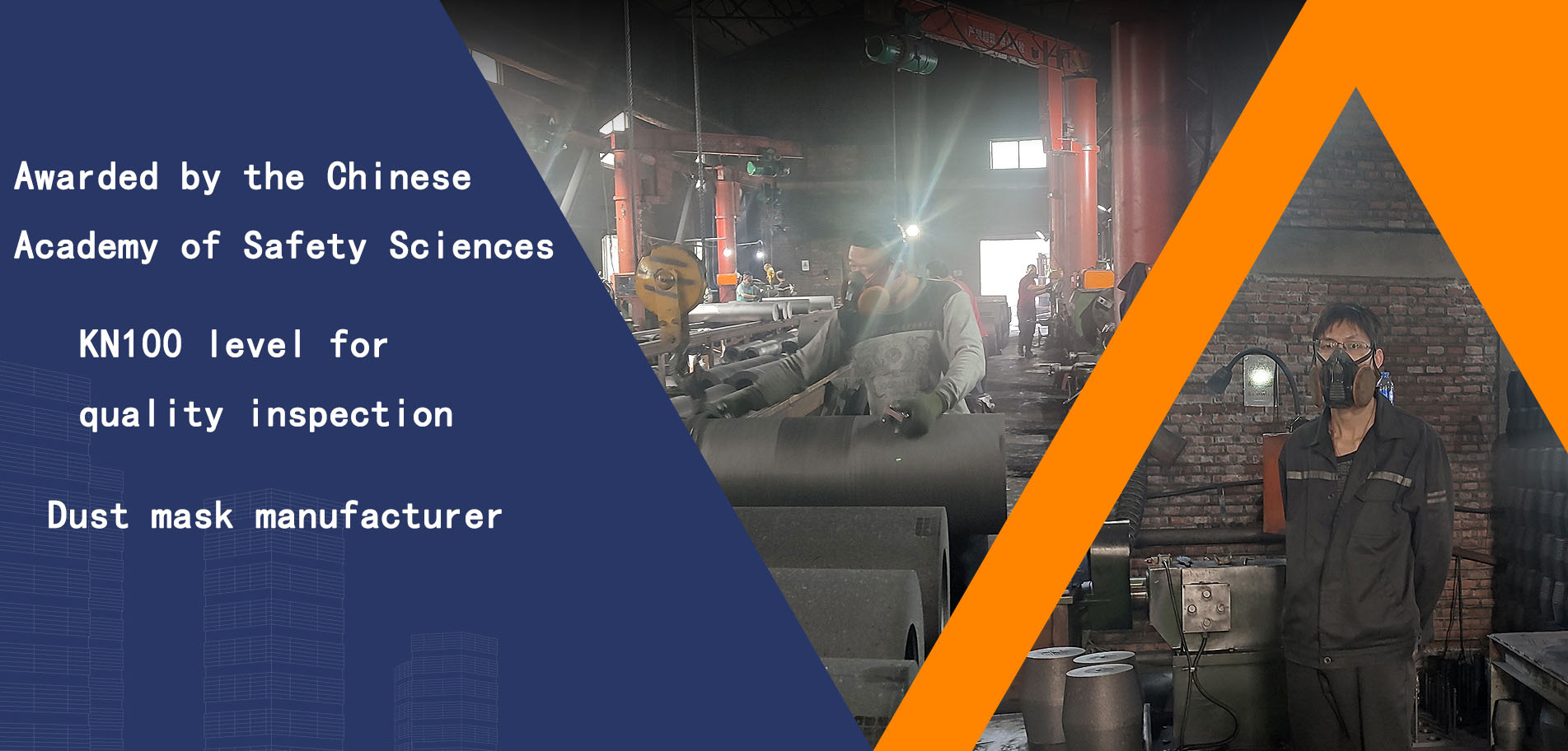
During electric welding, high temperatures cause metal materials to evaporate and oxidize, generating a large amount of ultra-fine metal dust containing components such as iron oxide, manganese oxide, and silicon dioxide. This process may also be accompanied by toxic gases such as ozone, nitrogen oxides, carbon monoxide, and hydrogen fluoride. Long-term inhalation of such dust can easily lead to occupational diseases such as welder's pneumoconiosis, manganese poisoning, and metal fume fever, causing damage to the respiratory and nervous systems and increasing the risk of developing occupational lung diseases. Therefore, choosing appropriate respiratory protective equipment is crucial. Ordinary gauze masks and disposable medical masks provide almost no protection against toxic welding fumes. Choosing professional protective masks is key to safeguarding the health of welders.

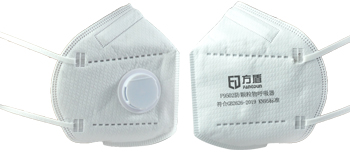
Electric welding protective masks must comply with the national standard GB2626-2019, "Self-priming Filter Type Respirators for Particulate Matter Protection". The core principle is to select the filtration level based on the type and concentration of fumes. It is recommended to choose masks labeled "KN95" (Chinese standard, with a filtration efficiency of ≥95% for non-oily particulate matter) or "N95" (equivalent efficiency according to the US NIOSH standard) and above (such as KN100/N100). Ordinary medical surgical masks or ordinary dustproof masks cannot provide sufficient protection.
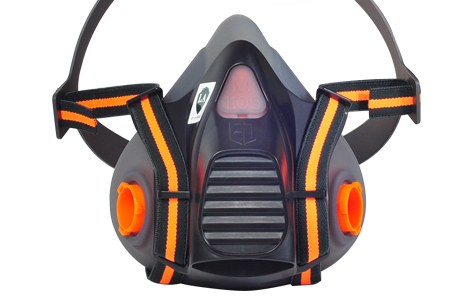
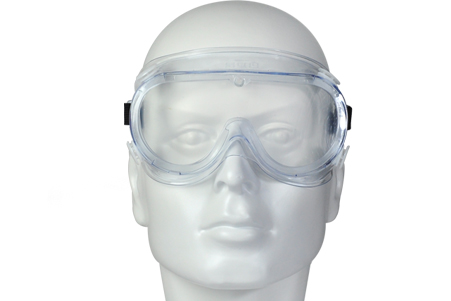
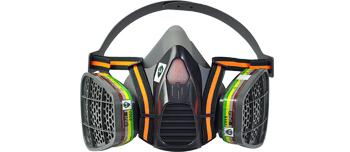
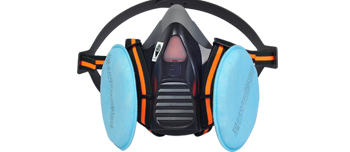
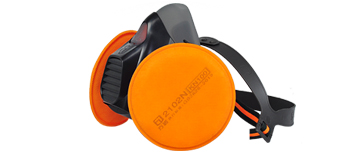
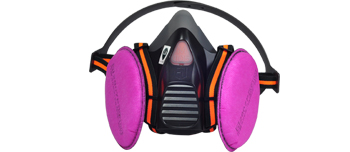
The replaceable half-face mask can be reused, requiring only the replacement of filter cotton or filter cartridges. It is economical and environmentally friendly, suitable for long-term, high-intensity operations. The half-face mask has good adaptability and can be enhanced in sealing and comfort when paired with silicone material. The full-face mask provides protection for both the face and eyes, suitable for operations in confined spaces and high-concentration smoke and dust environments, such as welding in ship cabins and containers. Protective masks should be used in conjunction with protective face shields, protective glasses, and welding slag-resistant work clothing to avoid arc radiation and welding slag burns. At the same time, the work environment should be equipped with a ventilation and dust removal system to reduce smoke and dust concentration at the source and enhance protective effects.
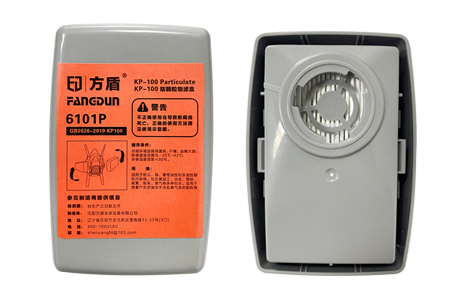
It should be noted that if only the filtration level is emphasized and the fit of the mask is neglected, smoke and dust are prone to enter through gaps, affecting the protective effect. After wearing, it is essential to check the sealability. Furthermore, long-term failure to replace the filter material can lead to clogging of the filter cotton or saturation of the filter box, significantly reducing the protective performance and even posing a health hazard. Protection against welding fumes is a long-term and important task. Choosing a protective mask that meets standards and using it correctly can effectively reduce the risk of occupational diseases. Meanwhile, regular occupational health checks and paying attention to physical condition are essential to better ensure job safety and physical health.