English
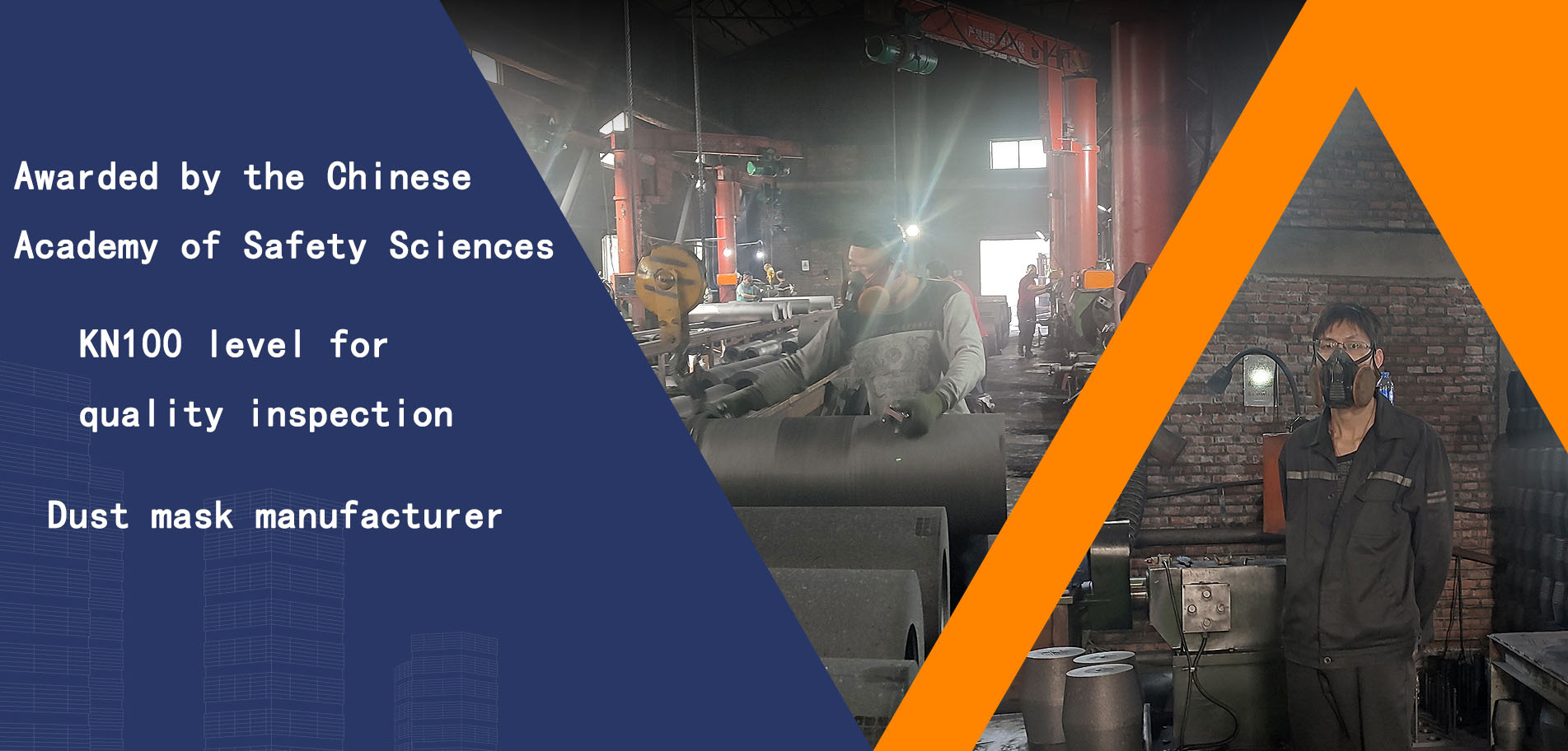
Casting operations are the fundamental process in the machinery manufacturing industry, encompassing multiple steps such as molding, core making, pouring, sand removal, and grinding. Among these, subsequent processing steps like sand removal, grinding, and cutting generate a significant amount of mixed dust containing metal debris and molding sand dust. If inhaled over a long period, harmful substances like iron dust and silica present in this dust can easily lead to occupational diseases such as pneumoconiosis and iron dust pneumoconiosis, posing a serious threat to the lung health of foundry workers.

Respiratory protection, as a crucial means to block dust inhalation, serves as the core defense line for safeguarding the occupational health of foundry workers. It necessitates the establishment of a comprehensive system encompassing various aspects such as the selection of protective equipment, standardized use, and environmental coordination. The dust generated during foundry operations is characterized by its complex composition, fine particles, and strong diffusibility, posing significant challenges to respiratory protection. In terms of composition, the dust not only contains iron chips and iron oxides shed from the surface of castings but also mixes with substances such as silica and clay from the molding sand.

Silica is a strong pneumoconiosis-inducing substance. Long-term inhalation can lead to lung fibrosis, and the damage is irreversible. In terms of particle size, most dust particles have a diameter of less than 10 micrometers, making them inhalable particulate matter that can directly penetrate the respiratory tract barrier and deposit deep in the lungs. In terms of diffusion range, during processes such as sand cleaning and grinding, dust will splash at high speed with the operation, creating a high-concentration dust environment in the work area. If not properly protected, the inhalation risk is extremely high. Only by understanding these characteristics can we accurately formulate respiratory protection strategies.

In the process of respiratory protection, it is necessary to avoid common misconceptions. Some workers believe that "wearing a mask is sufficient, and there is no need to pay attention to fit," but in reality, fit is crucial to ensuring protective effectiveness. If there is a gap between the mask and the face, dust will be inhaled through the gap, rendering the mask useless; some people also believe that "when the dust concentration is not high, there is no need for protection," but even low-concentration dust can cause cumulative lung damage if inhaled over a long period of time, so full protection is necessary throughout the process; in addition, ordinary cotton masks cannot be used as dust masks, as they have extremely low filtration efficiency for fine dust and cannot provide effective protection.

In summary, respiratory protection for foundry workers is a systematic project that requires consideration of the characteristics of the work environment. Efforts should be made in multiple aspects such as equipment selection, standardized use, environmental management, and daily management. Only through collaboration between enterprises and workers can the first line of defense for lung health be truly established, safeguarding the occupational health of foundry workers.