English
Beautiful gemstones are dazzling, but in the gemstone processing industry, whether it's natural cutting, polishing, or casting and smelting of artificial gemstones, a large amount of fine crystal dust is generated. These dust particles contain free silica. If these fine dust particles are suspended in the air for a long time and inhaled into the lungs, they can cause irreversible damage to the respiratory system, leading to serious occupational diseases such as lung and asthma. Therefore, protection against crystal dust is very important.
The hazards of crystal dust primarily stem from its content of clean silica. Particles of this dust smaller than 10 micrometers are inhalable into the lungs. Prolonged exposure to such an environment can lead to pulmonary fibrosis, manifesting symptoms like shortness of breath, chest tightness, and difficulty breathing. Furthermore, crystal dust may also induce kidney damage, autoimmune diseases, and other health issues. Additionally, the dust floating in the air significantly disrupts work, increasing the risk of equipment malfunctions.
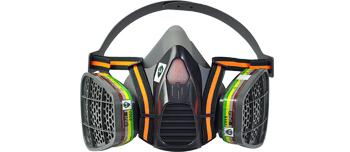
On the basis of engineering protection measures (such as ventilation and wet operations), masks can form the last personal protective barrier, effectively preventing dust from entering the respiratory tract. Especially in scenarios involving mobile operations and equipment protection with blind spots, the protective effect of masks is indispensable. If masks are improperly selected or worn, dust may still penetrate through gaps, greatly reducing the protective effect. Therefore, it is essential to pay attention to the scientific and standardized use of mask protection.
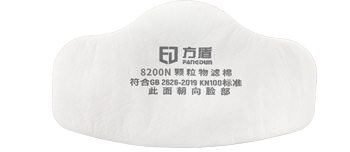
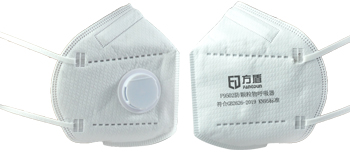
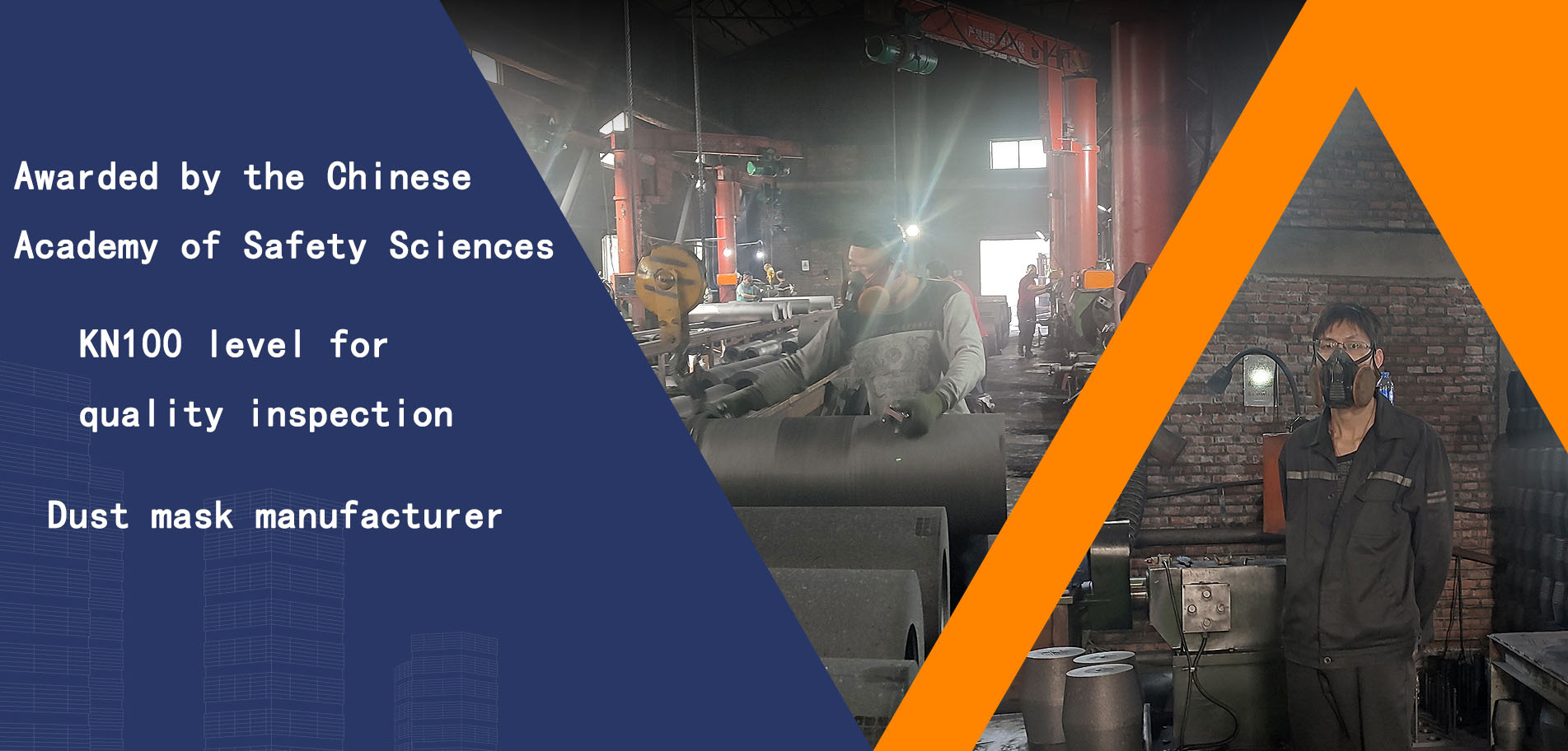
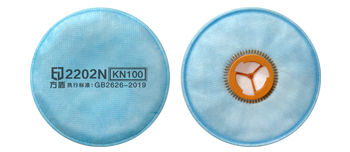
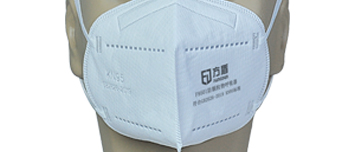
Filtering by protection level: It is necessary to select a mask with the corresponding protection level based on the dust concentration in the work environment. For conventional gemstone cutting and polishing processes, due to the medium dust concentration, KN95 dust masks with a filtration efficiency of not less than 95% can be selected; if high dust operations are involved (such as large-scale cutting and dry polishing), KN100 dust masks with a filtration efficiency of not less than 99.97% should be selected to ensure the barrier effect against fine crystal dust.
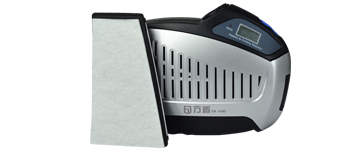
Under standard working conditions, it is recommended to replace KN95 and KN100 dust masks every 4-6 hours. If the working environment has a high dust concentration, the mask becomes visibly soiled (such as with a large amount of crystalline dust adhering to the surface), wet (due to breathing moisture or wet work), or if there is a significant increase in respiratory resistance, the mask is damaged, or the sealing performance decreases, it must be replaced immediately and should not be used further.
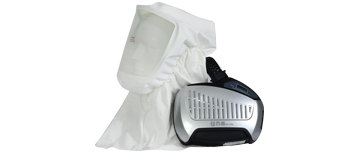
In the process of gem processing, the hazards posed by crystal dust cannot be overlooked. As a core protective equipment, the correct selection, standardized wearing, and timely replacement of masks are crucial for safeguarding the health of workers. Workers need to enhance their awareness of protection and strictly follow all specifications for mask protection; enterprises should strengthen training and management to ensure that protective measures are implemented in place. Only by integrating scientific protection into every aspect of daily operations can we effectively resist the invasion of crystal dust, making gem processing safer and more reassuring.