English
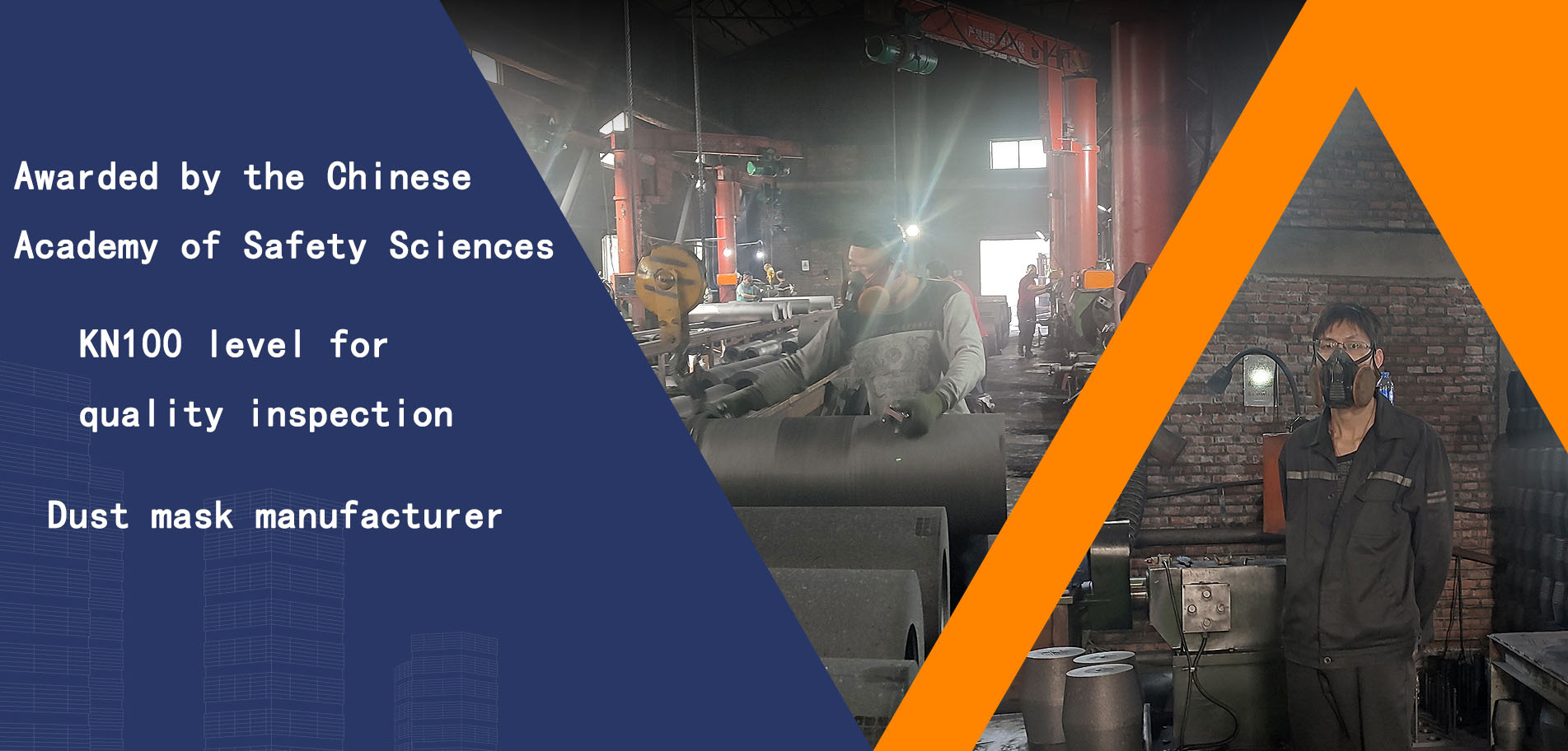
The daily work of a stonemason is based on chiseling, grinding, and cutting, which generates a large amount of fine dust containing silica during the operation process. These tiny particles, especially silica dust, if inhaled without protection for a long time, may cause irreversible silicosis, accompanied by symptoms such as coughing and difficulty breathing, and in severe cases, may even lead to loss of labor ability. In this profession that involves interacting with stones, an effective respiratory defense line is not only related to the inheritance of skills, but also maintains the continuation of life.

A professional dust mask serves as a crucial barrier, with its core protective principle lying in efficient filtration. When facing stone dust with complex compositions and varying particle sizes, high-quality protective masks typically adopt a multi-layer composite filter structure. China's current standard GB 2626-2019 categorizes dust masks (against non-oily particulate matter) into three protection levels, and masons need to make precise choices based on the concentration of dust in their work environment:
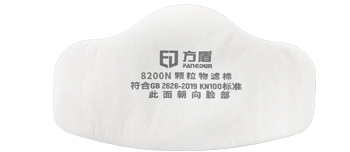
Basic protection level (KN90): The filtration efficiency for non-oily particles larger than 0.3μm is ≥90%. It is suitable for intermittent operations with low dust concentration, such as light chiseling, stone cleaning, and other scenarios.
Core protection level (KN95): With a filtration efficiency of ≥95%, it can effectively block most stone dust. It is the preferred choice for stonemasons in routine operations (such as continuous grinding and cutting), balancing protective effectiveness and wearing comfort.
High-level protection (KN100): With a filtration efficiency of ≥99.97%, it is suitable for special scenarios with extremely high dust concentrations, such as stone processing in enclosed spaces and high-intensity sandblasting operations, and can minimize the risk of dust inhalation to the greatest extent.

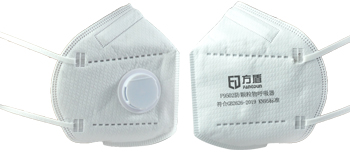
Disposable dust masks: It is generally recommended to use them for no more than 8 hours at a time. If the mask becomes wet, dirty, or if you notice a significant increase in breathing resistance during work, it should be discarded immediately and replaced. Do not reuse or wash and reuse them - because the melt-blown filter layer of the dust mask carries static electricity, washing can damage its electrostatic adsorption ability, leading to a significant decrease in filtration efficiency.

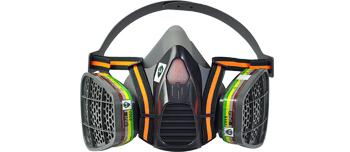
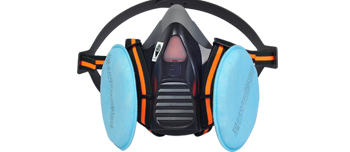
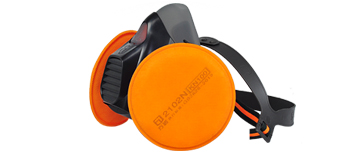
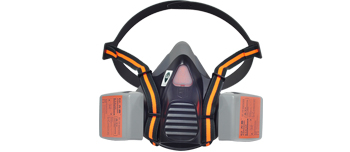
Replaceable filter cotton mask: The mask body can be reused, but the filter cotton needs to be replaced regularly. Generally, it should not be used for more than 40 hours cumulatively, or when the filter cotton becomes dirty, damaged, or the respiratory resistance increases by more than 50%. The mask body needs to be cleaned regularly with warm water and neutral soap, dried, and stored. Avoid using corrosive chemicals or high-temperature cleaning to prevent damage to the components.
Rocks are immortal, yet life is fragile. In the creation of sculpting time and shaping eternity, the efforts of stonemasons should not come at the expense of their health. Choosing and correctly using reliable dust masks, combined with scientific work methods and protective habits, is a cherishment of one's own life and a responsibility towards family and the inheritance of craftsmanship. Let every powerful breath be safe and free, so that the spirit of craftsmanship can be passed down endlessly in a healthy body.