English
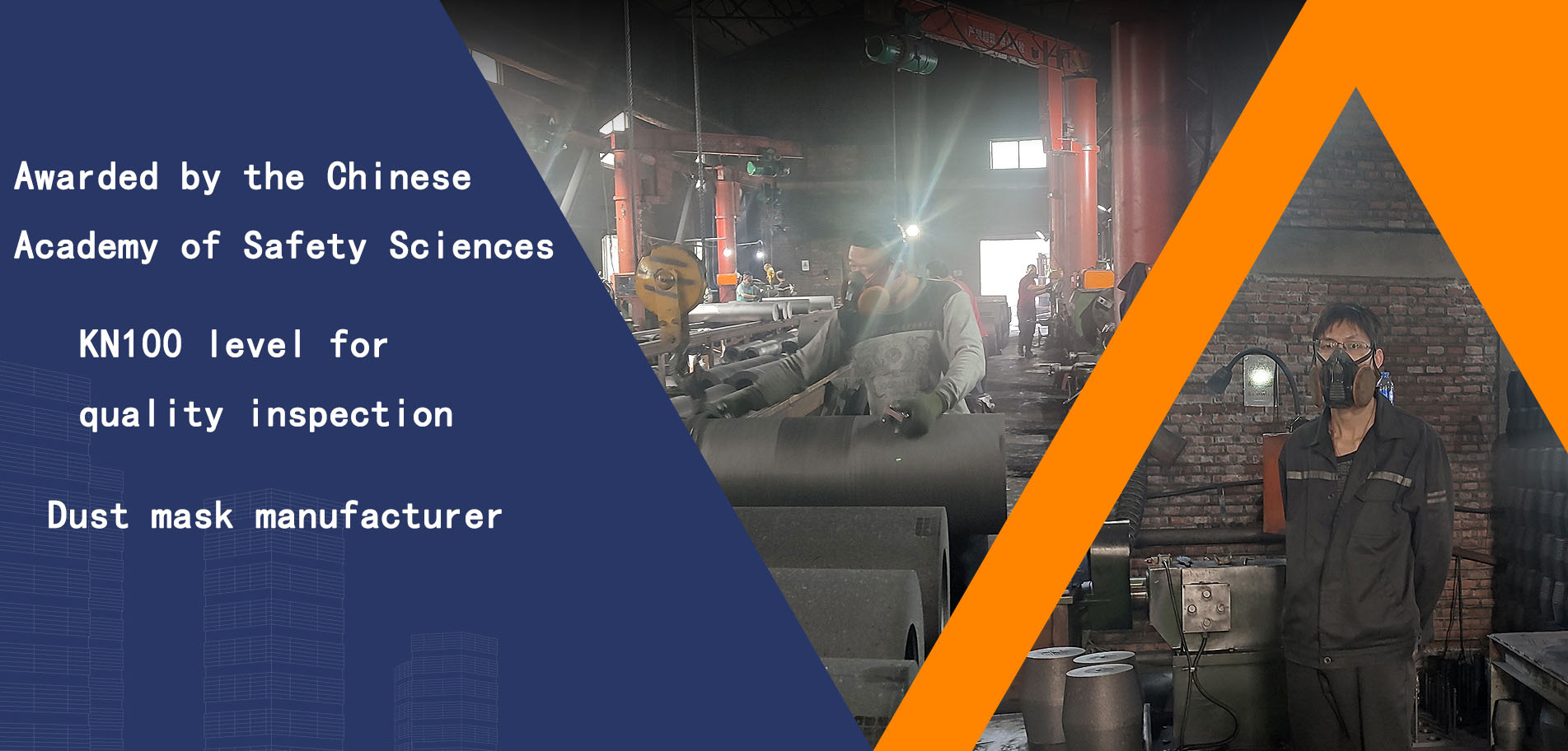
During the operation involving carbon black, a large amount of fine dust is generated. Long-term inhalation of this dust can accumulate in the lungs, triggering chronic inflammatory reactions, gradually leading to pulmonary fibrosis. In severe cases, it may induce carbon black pneumoconiosis, manifesting symptoms such as coughing and chest tightness. As the condition worsens, it can cause breathing difficulties and may even lead to secondary infections and pulmonary failure. The mouth and nose are the main entry points for dust into the respiratory system, so targeted protection is crucial for safeguarding the health of workers.
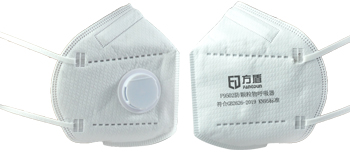
Carbon black dust falls under the category of non-oily particulate matter. When selecting protective equipment, it is necessary to use self-priming filter-type particulate respirators that meet the requirements of the national standard GB2626-2019: for regular concentrations of carbon black operations, at least KN90-grade products (filtration efficiency ≥ 90%) should be used; if the dust concentration is high or long-term operations are required, KN95-grade or higher products (filtration efficiency ≥ 95%) should be selected; for nano-sized carbon black dust or high-risk operating environments, it is recommended to use KN100-grade products (filtration efficiency ≥ 99.97%), or protective equipment equipped with H13-grade or higher HEPA high-efficiency filter materials.

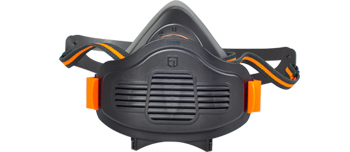
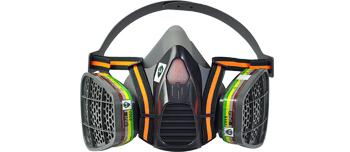
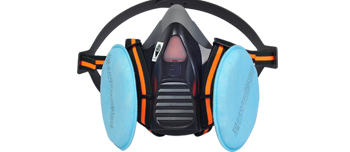
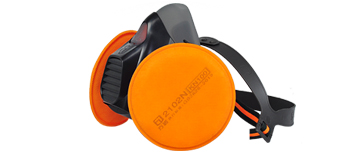
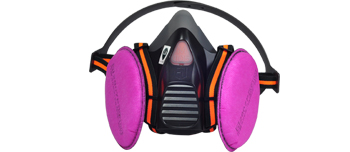
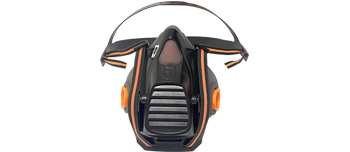
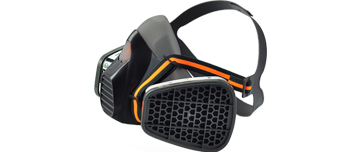
The half-face mask is suitable for individuals with no scars on their head and face and less hair. It is flexible and lightweight, making it ideal for short-term or intermittent work in environments with regular dust concentrations.
The full-face mask is suitable for scenarios involving high-concentration dust and potential material splashes, offering protection to the user's mouth, nose, and eyes while providing enhanced sealing.
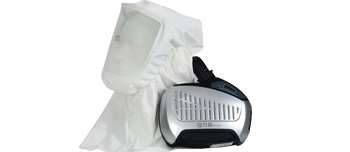
The Powered Air Purifying Respirator (PAPR) forms positive pressure protection through active air supply, featuring low respiratory resistance. It is suitable for use in high-concentration dust environments, prolonged continuous operations, or for individuals with poor facial fit. It is particularly suitable for nanoscale carbon black dust work environments, effectively reducing user fatigue and enhancing compliance with protective measures.
The selected protective equipment must bear the LA safety mark, product certification, and a testing report indicating compliance with national standards. It is strictly prohibited to use products that are unqualified or do not meet the protective standards.
If the work environment is oxygen-deficient (with oxygen content below 19.5%), contains high concentrations of toxic gases, or poses an explosion risk, conventional filtering protective equipment will be completely ineffective. It is necessary to use isolated positive pressure respiratory protective gear, such as air-supplied respirators (with built-in compressed air cylinders) or long-tube air-supplied respirators. Operators must be familiar with the emergency plan in advance. In case of emergencies such as dust leakage or equipment malfunction, they should immediately evacuate to a safe area and carry out emergency response measures while ensuring adequate personal protection.
Oral and nasal protection should be integrated with overall occupational health management: The work area should be equipped with comprehensive ventilation and dust removal facilities to reduce dust concentration; workers must strictly refrain from smoking, maintain a ventilated living environment, and engage in appropriate respiratory rehabilitation exercises such as abdominal breathing; furthermore, regular lung function tests should be conducted annually, and influenza and pneumonia vaccines should be administered to prevent respiratory infections and promptly identify early health risks.